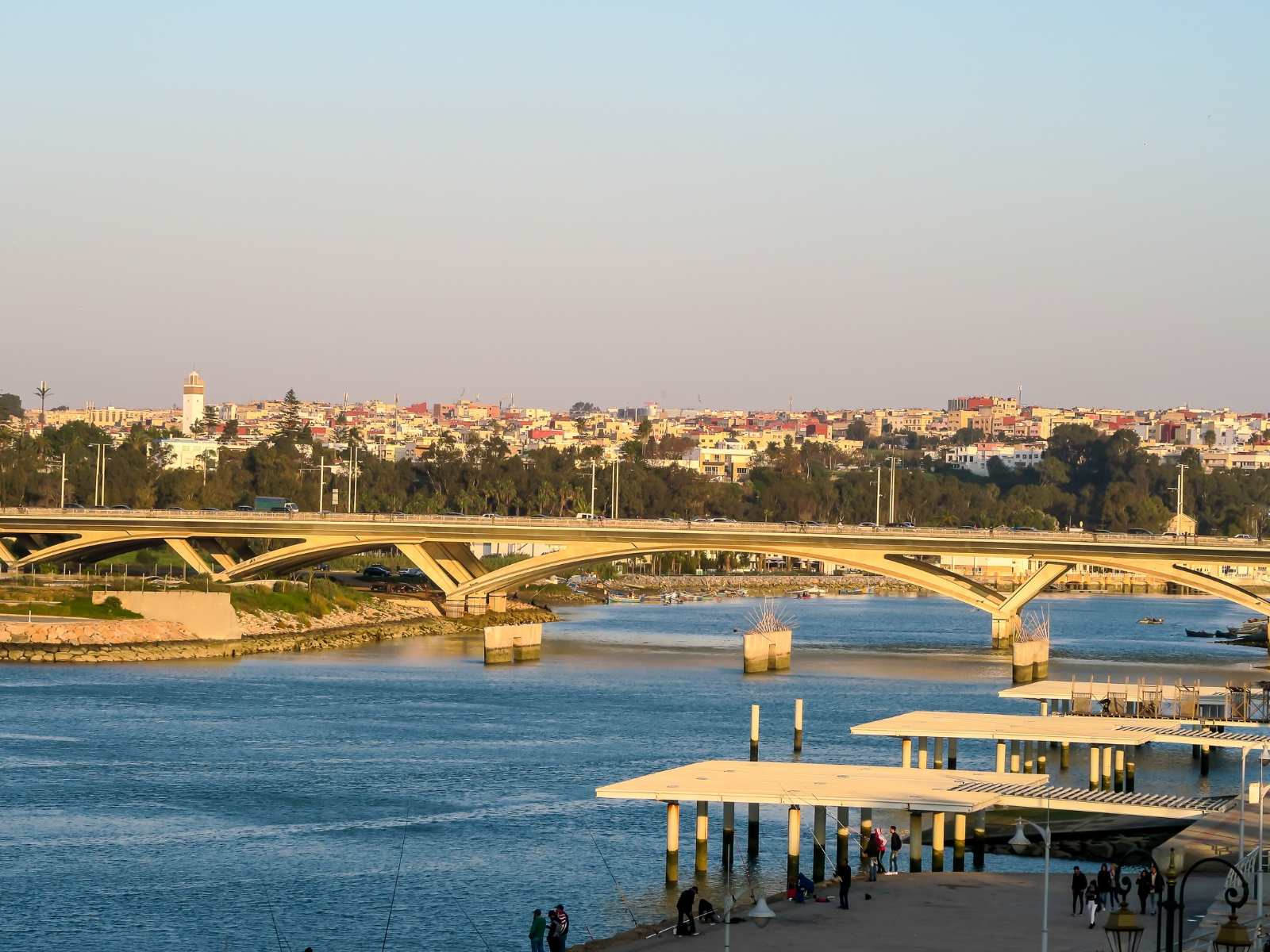
Rabat rarely tries to win you over at first glance. It doesn’t overwhelm, doesn’t rush, doesn’t perform. Instead, it settles into you. As a Moroccan, I’ve always felt that Rabat is a city best understood through time rather than spectacle, which is exactly the perspective this Rabat travel guide takes. You notice it in the way mornings begin quietly, in the steady rhythm of daily life, in how history exists without needing to be staged.
This Rabat travel guide is written for travelers who want to experience the city as it truly is, beyond highlights and checklists. This is Morocco’s capital, yes, but not the kind that feels burdened by its title. Rabat is composed, coastal, and confident. It carries centuries of stories while remaining firmly present-day. Travelers who give it space often leave surprised by how much it stayed with them.
On This Page:
Rabat Travel Snapshot
This Rabat travel guide covers what to see, where to stay, when to visit, and how long to spend exploring Morocco’s calm coastal capital.
- Location: Atlantic coast of northwestern Morocco
- Status: Political capital of Morocco with UNESCO-listed historic areas
- Known For: Coastal atmosphere, historic kasbah, Hassan Tower, relaxed pace
- Best For: relaxed cultural travel, coastal walks, first-time Morocco visitors
- Mid-Range Budget: €55–€120 per person per day
- Ideal Stay: 2–3 days
- Best Time to Visit: Spring and autumn (pleasant year-round)
- Not Ideal If: you want intense nightlife or desert-style adventure travel
Top Rabat Experiences Right Now
Quick picks for Rabat travelers: a top city tour, a food experience, a day trip from Rabat, and the current best live deal.
Want more options? Wiew Rabat deals page below.
See all Rabat deals & activitiesWhere Rabat Is—and Why Visit (Rabat Travel Guide Overview)
Rabat sits on the Atlantic coast, where the Bouregreg River meets the ocean. That meeting point defines the city’s personality. The air is cooler, the pace slower, the mood noticeably calmer than many inland cities. Even traffic seems more patient here.
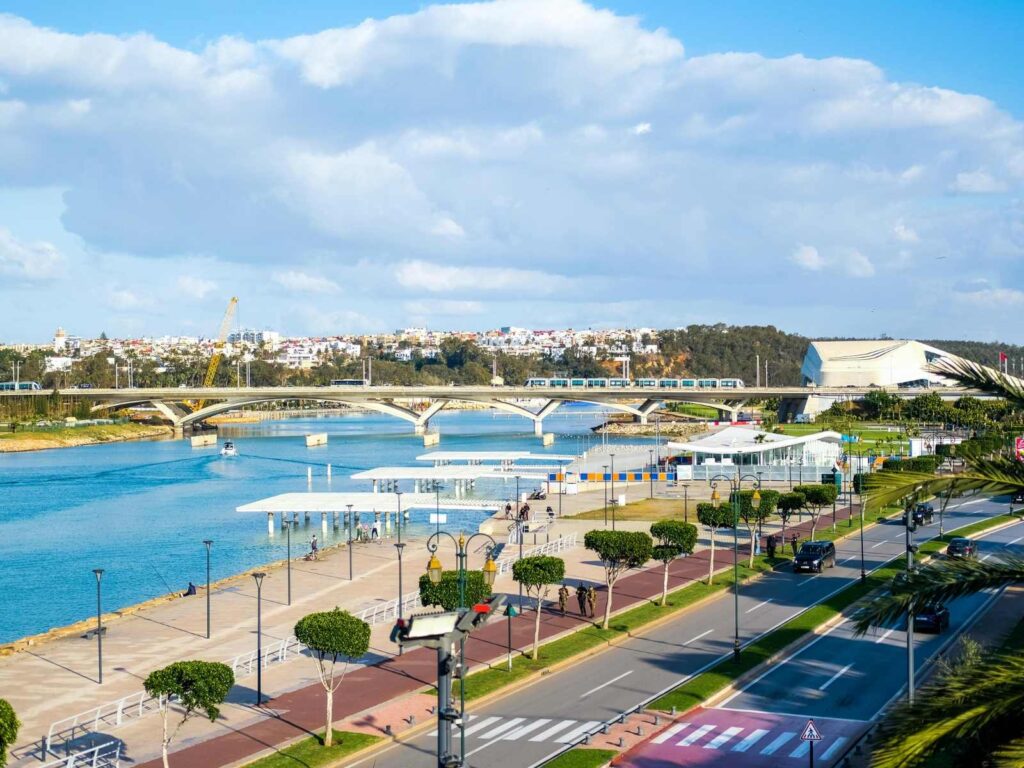
Many people compare Rabat to Casablanca, and the comparison makes sense geographically, but the experience couldn’t be more different. Casablanca is loud and fast, always in motion. Rabat is reflective. It’s a city for travelers who enjoy walking without a plan, sitting without urgency, and absorbing places rather than consuming them.
You come to Rabat not for intensity, but for balance.
Top Things to Do in Rabat – Travel Guide Highlights
Rabat’s landmarks don’t compete with each other. They coexist, spaced out enough that each one breathes, which makes exploring them feel natural in this Rabat travel guide rather than rushed or overwhelming.
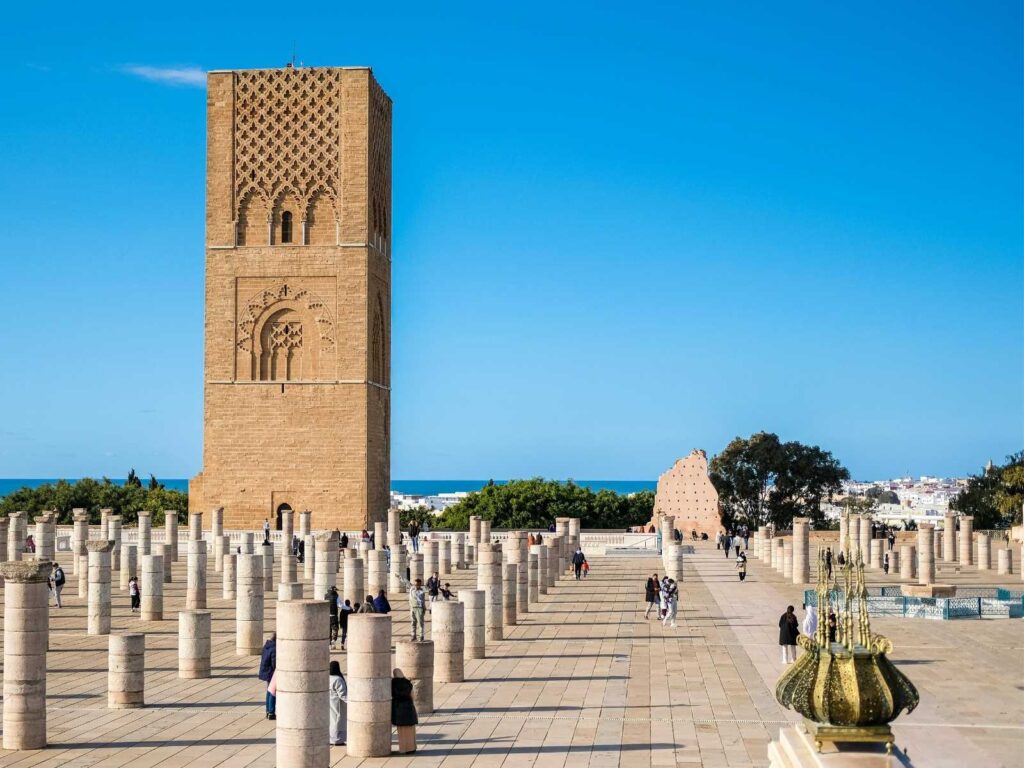
Rabat’s landmarks are not crowded into a single historic core. Instead, they are spread across the city in a way that makes exploring feel calm and natural rather than overwhelming. Each site reveals a different layer of Rabat’s identity — imperial, coastal, residential, and archaeological.
Kasbah of the Udayas
The Kasbah of the Udayas combines fortress walls, Andalusian-style streets, and sweeping Atlantic views. Despite its historical importance, it feels almost residential, with white houses trimmed in blue, small gardens, and quiet walking paths. The kasbah’s seaside platform offers one of the best viewpoints in Rabat, especially in the late afternoon when the ocean light softens the walls.
Hassan Tower and Mohammed V Mausoleum
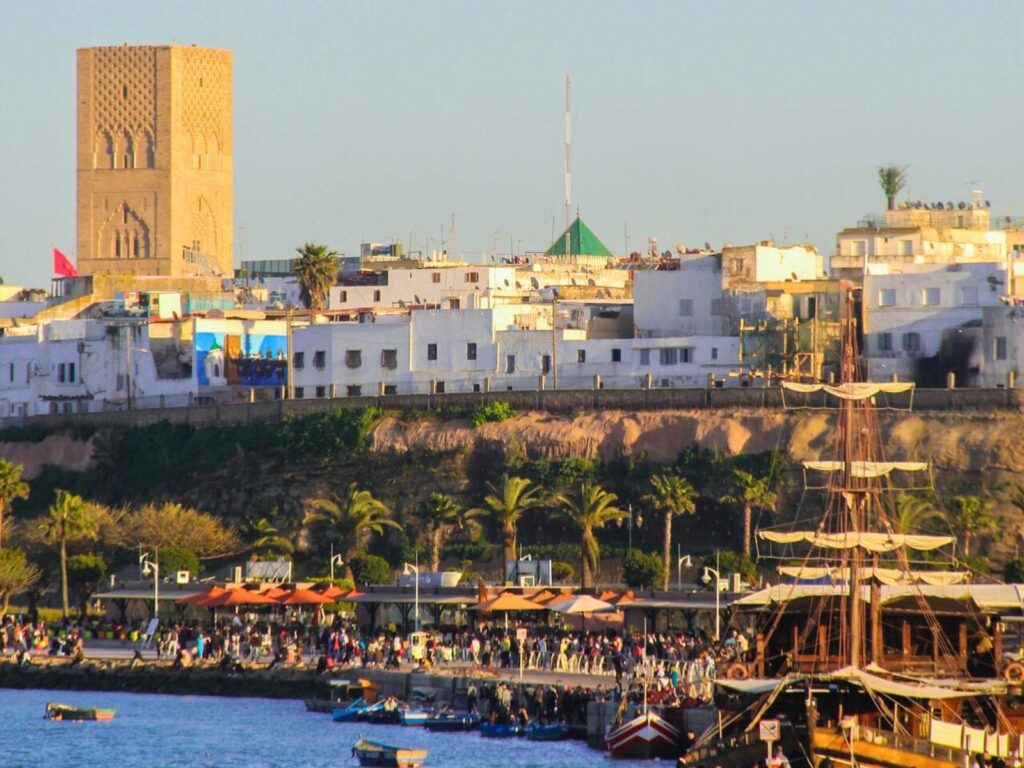
Hassan Tower stands as Rabat’s most recognizable historic monument. Originally intended to be the world’s largest mosque minaret, construction stopped in the 12th century, leaving the unfinished tower surrounded by rows of stone columns. Opposite it, the Mohammed V Mausoleum reflects modern Moroccan craftsmanship and royal history, creating one of the country’s most visually balanced ceremonial spaces.
Chellah Archaeological Site
Chellah offers a completely different atmosphere. Built on the remains of a Roman settlement and later transformed into an Islamic necropolis, the site mixes ruins, gardens, stork nests, and quiet walking paths. It feels less like a monument and more like a historical landscape, making it one of Rabat’s most peaceful places to explore.
Rabat Medina and Bouregreg Waterfront
Rabat’s medina reflects the city’s calmer rhythm. Smaller and more organized than those of Fes or Marrakech, it feels local first and touristic second. Nearby, the Bouregreg waterfront connects the old city to the river promenade, where cafés, walking paths, and river views show Rabat’s everyday modern life alongside its historic core.
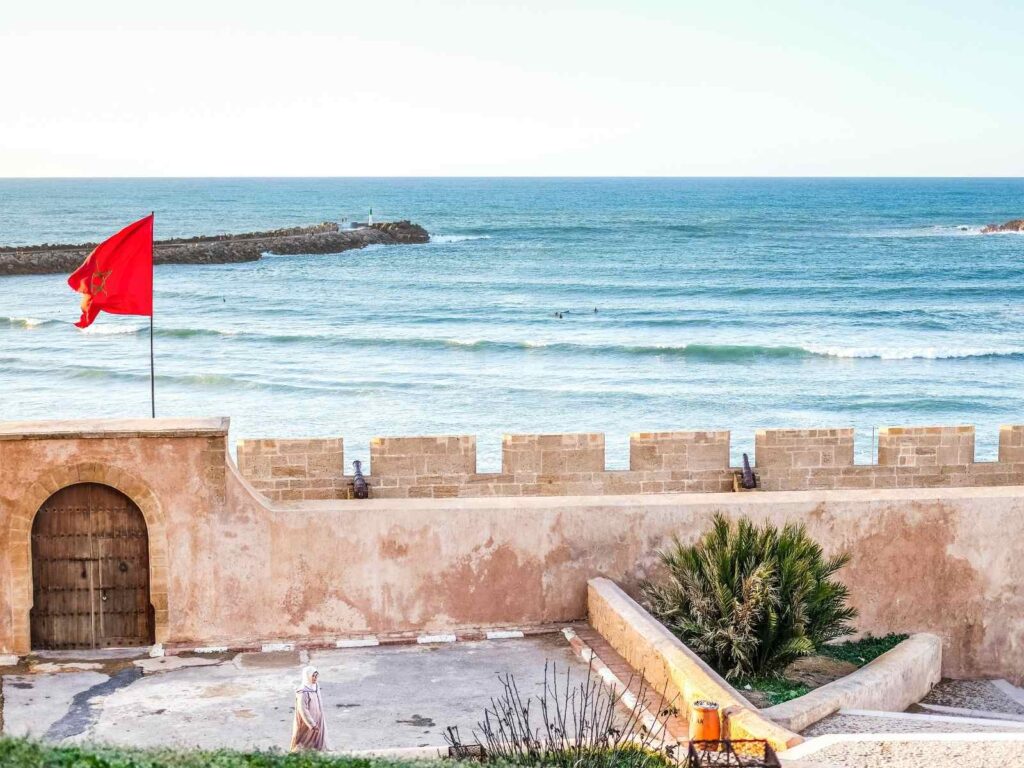
The medina ties it all together. Smaller and calmer than those of Fes or Marrakech, it reflects Rabat’s temperament perfectly. Artisans work without pressure, shops feel local first and touristic second, and wandering never feels like a performance.
Best Tours & Experiences in Rabat
Rabat reveals itself best with context. A local guide doesn’t just explain dates and dynasties; they explain why neighborhoods feel the way they do, why certain streets are always busy, and others remain peaceful. Walking tours work especially well here because distances are reasonable and the city invites observation.
Many visitors also enjoy pairing Rabat with Salé, crossing the river to understand how closely linked these two cities are, despite their contrasting moods. Day trips to nearby cities are easy, but Rabat itself deserves unrushed exploration before you look outward.
If you’re exploring more Moroccan cities, you may also enjoy our guides to Marrakech, Fes, or Casablanca.
What to Eat in Rabat
Food in Rabat mirrors the city: understated, confident, and rooted in daily life. This Rabat travel guide focuses on everyday meals rather than showy dining experiences. Seafood naturally plays a central role. Grilled fish served simply, sardines prepared the way families have always prepared them, tagines that don’t rely on excess spices to make their point.

Eating here feels personal. Meals are less about presentation and more about familiarity. Cafés matter as much as restaurants. They’re places where conversations stretch, where coffee is an excuse to sit rather than a reason to leave.
Where to Stay in Rabat
Choosing where to stay in Rabat is more about atmosphere than logistics. The medina offers closeness to history and early-morning quiet. Modern neighborhoods feel open and residential, reflecting the city’s role as an administrative and academic center.
Because Rabat isn’t overwhelming in size or traffic, staying slightly outside the historic core rarely feels inconvenient. What matters is how you want your days to begin and end.
Best Time to Visit Rabat
Rabat is forgiving when it comes to timing. Spring and autumn are especially pleasant, but the Atlantic moderates temperatures year-round. Summers are rarely oppressive, winters mild and often bright. The city doesn’t dramatically change with the seasons, which makes it feel dependable in a way travelers often appreciate.
How Long to Spend in Rabat
Most travelers find that two to three days in Rabat offers the right balance. The city is not overwhelming in size, but its atmosphere rewards slow exploration rather than rushed sightseeing. One full day allows you to visit major landmarks such as Hassan Tower, the Kasbah of the Udayas, and the historic medina, but staying longer reveals the quieter rhythm that defines the capital.
With two days, you can explore the coastline, spend time along the Bouregreg riverfront, visit Chellah, and enjoy Rabat’s cafés and neighborhoods without feeling pressured by time. A third day allows space for nearby excursions or simply experiencing the city as locals do — walking, sitting, and letting the coastal pace set your schedule.
Rabat is not a destination built around checklist tourism. The longer you stay, the more the city’s calm character becomes part of the experience.
Getting Around Rabat
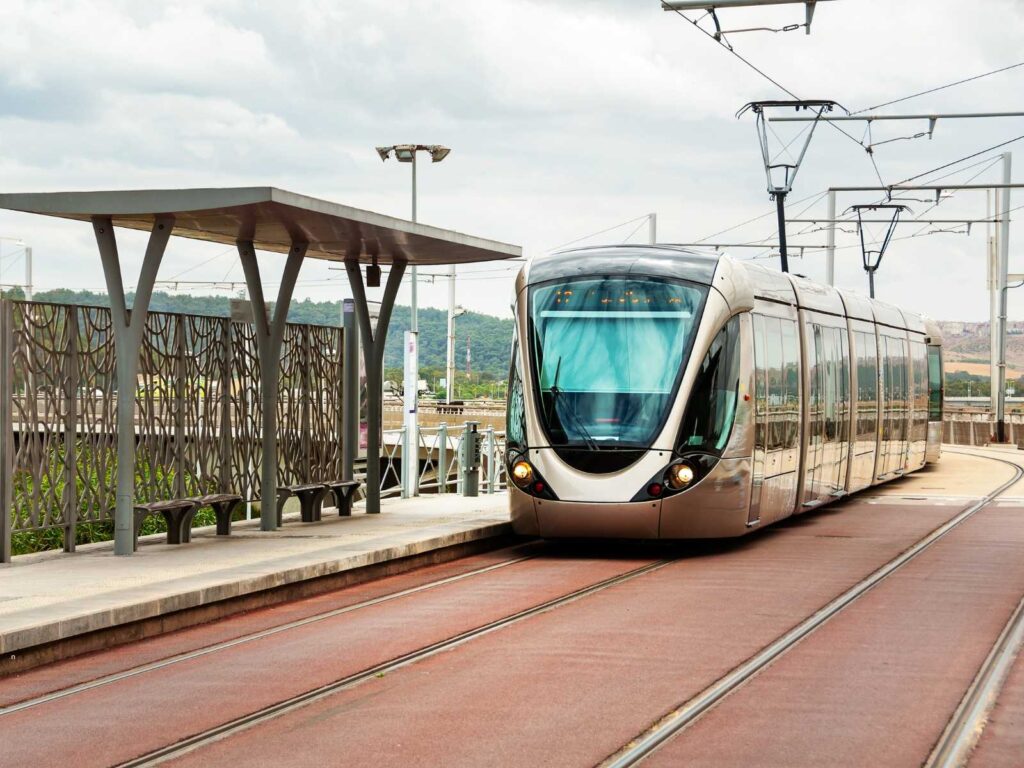
Movement in Rabat is refreshingly simple. The tramway connects key areas efficiently, taxis are easy to find, and walking is often the most rewarding option. Trains to Casablanca run frequently enough that planning becomes optional rather than necessary.
The city doesn’t fight you when you try to get around. It cooperates.
Reliable public transport is one of the reasons this Rabat travel guide recommends exploring the city independently.
Train connections between Rabat and Casablanca are frequent and reliable, with schedules available on the ONCF official railway website.
Rabat Travel Tips
Rabat works best when you slow down. Two or three days allow the city to open up. Dress respectfully, as you would anywhere in Morocco, but know that Rabat is accustomed to international visitors and modern lifestyles. Safety concerns are minimal, and the city feels lived-in rather than staged.
Language helps, of course. French is widely spoken, Arabic everywhere, and English increasingly common in touristic settings.
Meknes and Volubilis are especially rewarding day trips, particularly for travelers interested in imperial history.
First-Time Visitor Tips for Rabat
Rabat is one of Morocco’s easiest cities for first-time visitors, but a few practical details can make your stay smoother and more rewarding. Unlike busier tourist centers, Rabat rewards slow exploration, local observation, and simple planning rather than tightly scheduled itineraries.
- Walk more than you plan to. Rabat is one of Morocco’s most walkable cities. Many major landmarks, gardens, and historic areas connect naturally along the coast or riverfront, making slow walking the best way to understand the city’s rhythm.
- Use the tramway for longer distances. The Rabat–Salé tram system is modern, safe, and easy to use. It connects key districts and removes the need for frequent taxis when moving between neighborhoods.
- Expect a calmer medina experience. Rabat’s medina is smaller and quieter than those in Fes or Marrakech. Shopping feels more local than touristic, and wandering here rarely feels overwhelming.
- Dress respectfully but comfortably. Rabat is Morocco’s political and administrative capital and generally feels modern and relaxed, but modest clothing is still appreciated when visiting historic sites or residential neighborhoods.
- Plan coastal time into your itinerary. The Atlantic shoreline, Bouregreg riverfront, and ocean viewpoints are central to Rabat’s character. Many travelers underestimate how much these quiet coastal walks shape the experience of the city.
- Stay at least one night. Rabat works best when experienced beyond a rushed day trip. Even a single evening allows you to see the city’s slower pace once daytime visitors leave.
For most travelers, Rabat becomes easier and more enjoyable the longer they stay. What first feels quiet often becomes one of the city’s greatest strengths.
Rabat vs Other Moroccan Cities
Compared to Marrakech’s intensity or Fes’s density, Rabat feels spacious and calm. Compared to Casablanca’s scale and speed, it feels human. These contrasts often help travelers understand Morocco more clearly. Rabat sits comfortably between tradition and modernity, never leaning too hard in either direction.
Day Trips from Rabat
Rabat’s location makes exploration easy. Salé lies just across the river. Casablanca offers urban contrast. Meknes and Volubilis bring imperial history within reach. Coastal towns provide sea air and quieter horizons. Still, Rabat itself rarely feels like a place you need to escape from.
Explore More Cities in Morocco
Planning a trip beyond Rabat? Discover more destinations across Morocco:
Plan Your Trip to Rabat: Practical Travel Guide Tips
Rabat doesn’t demand attention; it rewards it — and this Rabat travel guide is written with that same philosophy in mind. Plan lightly. Leave space between activities. Let the city show itself through small moments rather than grand gestures.
For travelers willing to listen instead of rush, Rabat offers something rare: a capital city that feels grounded, thoughtful, and entirely itself.
Frequently Asked Questions
Yes. Rabat is well worth visiting, especially for travelers who prefer culture, walkable cities, and a relaxed pace. It combines historic landmarks, Atlantic coastal views, and a calm daily rhythm that feels authentic rather than touristic.
Two to three days is ideal for visiting Rabat. This gives you enough time to explore the Kasbah of the Udayas, Hassan Tower, Chellah, the medina, and the coastline without feeling rushed.
Top things to do in Rabat include visiting the Kasbah of the Udayas, seeing Hassan Tower, exploring Chellah, walking through the medina, enjoying Atlantic Ocean views, and spending time along the Bouregreg riverfront.
It depends on your travel style. Rabat is calmer, cleaner, and easier to explore on foot, while Casablanca is larger, busier, and more commercial. Many tourists prefer Rabat for history, walking, and relaxed sightseeing.
Yes. Rabat is considered one of the safest cities in Morocco. Standard travel awareness is sufficient, and visitors generally find the city organized, comfortable, and easy to navigate.
Rabat is known as Morocco’s capital city, its historic sites such as Hassan Tower and the Kasbah of the Udayas, its coastal location, and its calm balance between traditional life and modern institutions.
Yes. Rabat is one of Morocco’s four imperial cities, alongside Marrakech, Fes, and Meknes. It has served as a royal and administrative capital and still reflects imperial history today.
Rabat can be visited as a day trip from Casablanca thanks to frequent trains, but staying at least one night is recommended to experience its peaceful evenings and slower pace.
Spring and autumn are the best times to visit Rabat, offering mild temperatures and comfortable walking conditions. Thanks to its Atlantic climate, the city remains pleasant throughout most of the year.
Yes. Rabat is an excellent choice for first-time visitors to Morocco. It offers history, culture, and everyday Moroccan life without the intensity or crowds found in larger tourist cities.
