When people arrive in Morocco, they’re struck by the bright colors and lively sounds of the souks. The call to prayer fills the air, and Moroccan culture shines through in quiet moments – the way people greet each other, pour tea, and enjoy relaxed conversations.
Learning about this culture won’t turn your trip into a checklist, but it will help you see the country through the eyes of locals – a place that’s layered, warm, sometimes messy, and always human.
Let’s explore the basics together.
On This Page:
What shapes Moroccan culture?
Morocco’s historic medinas reflect centuries of cultural exchange, a heritage recognized by UNESCO for its architectural and social significance.
The country has many roots, like a tree with branches from different directions that come together to form one unique shape. Over centuries, different influences have blended together instead of replacing one another. You can feel this when you walk through a medina, where you’ll see:
- Amazigh (Berber) heritage, the country’s oldest foundation.
- Arab and Islamic traditions, which shape the language and identity.
- Andalusian echoes, from families who crossed the sea from Spain.
- African routes and migrations, especially from the Sahara and Sahel
- French and Spanish colonial history, visible in cafés and streets
You might turn a corner and spot an Andalusian courtyard, then stroll along a French-era boulevard, and finally discover an Amazigh crafts shop. None of these influences cancel each other out – they coexist, and that’s what makes Moroccan culture so unique.
Culture takes on different forms across Moroccan cities, shaped by history, geography, and daily life.
Religion and Daily Rhythm in Moroccan Culture
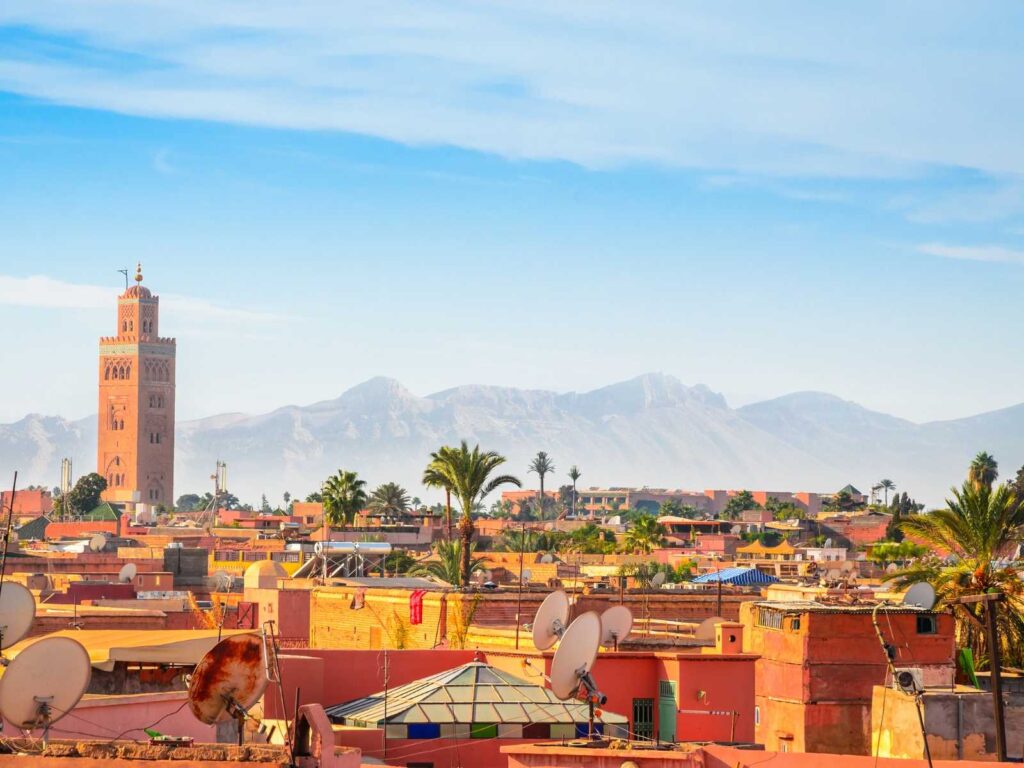
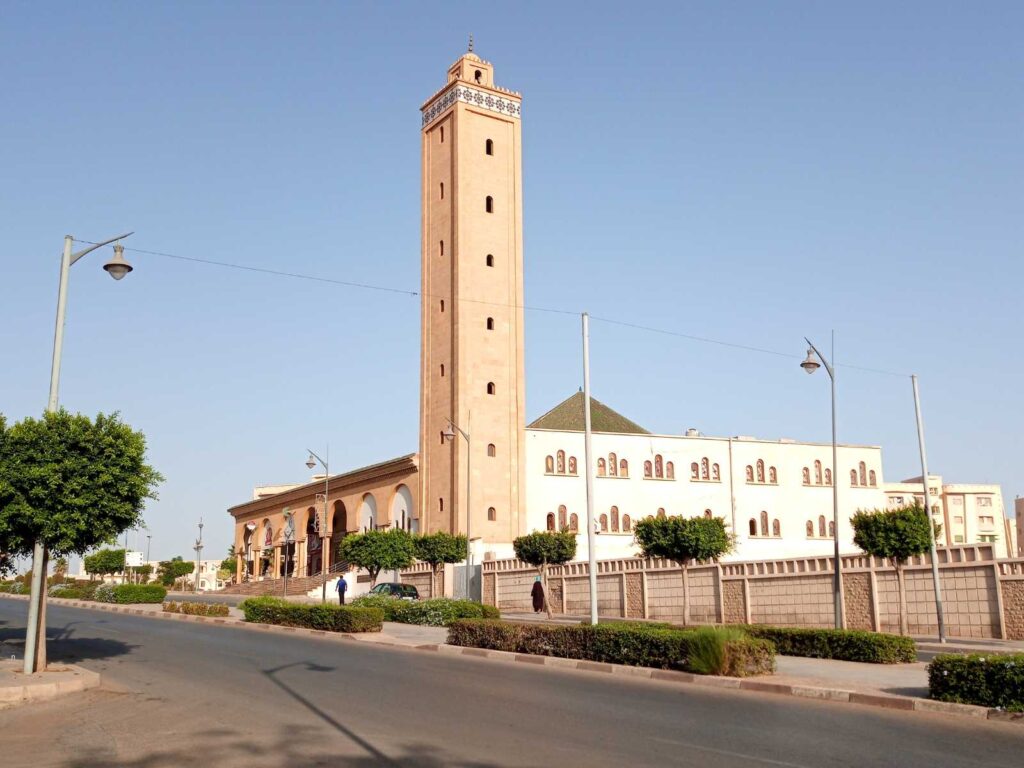
Islam is at the heart of Moroccan life, but it functions more as a daily rhythm than a strict rulebook. It’s more like a clock that marks the day. You’ll hear the call to prayer echoing across rooftops, and some shops will take a short break. Fridays feel relaxed, with families gathering, special meals, and slower streets.
For travelers, a few things are worth knowing. Most mosques are closed to non-Muslims, except for a few historic ones. During Ramadan, it’s best to eat and drink discreetly in public during the day. Modesty and calm behavior are appreciated almost everywhere
Religion shapes the rhythm of life, not the rules. When you notice this rhythm, the country will feel easier to understand.
Morocco’s identity has been shaped by Amazigh, Arab, African, and Mediterranean influences, as outlined by Encyclopaedia Britannica.
Hospitality: The Unwritten Rule of Moroccan Culture
Moroccans take pride in their hospitality. You might step into a shop just to look around and be offered mint tea without any pressure. You might ask for directions and be walked to your destination. Invitations come quickly – “Sit, rest, eat something first.”
This doesn’t mean people want something from you – it’s often just their way of showing respect. A simple “salaam” (peace) or “shukran” (thank you) can go a long way.
Traditions You’ll See Everywhere
The Language of Mint Tea
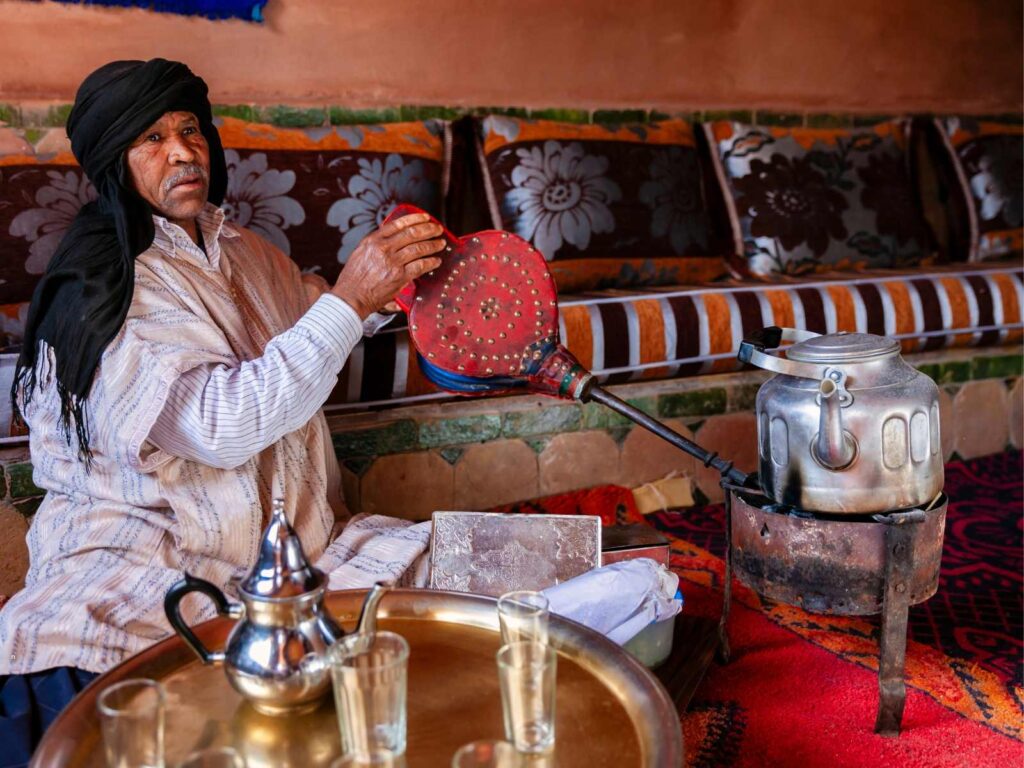
Tea is more than just a drink – it’s a welcome. Green tea, fresh mint, and sugar are poured from above to create a foamy top, part ceremony, part habit. Refusing tea can feel unfriendly, so even a small sip is appreciated.
And honestly, it tastes better than you think.
Family and Community First
Moroccan families are close-knit. Grandparents often live with their children and grandchildren, and weekend lunches can stretch on for hours. Weddings feel like whole neighborhoods are celebrating. Elders are respected, and their advice is listened to, even if not always followed.
Community doesn’t stop at the family door – neighbors check in on each other, and people ask questions because they care, not because they’re nosy.
Tradition and Clothing
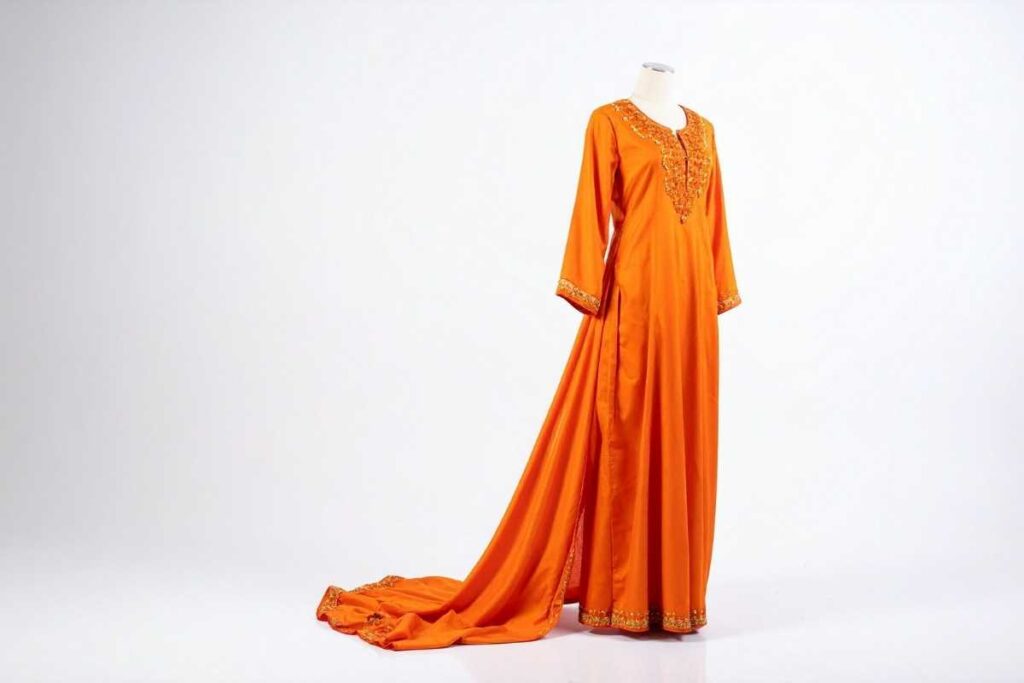
Traditional dress is part of everyday life. You’ll see:
- Djellaba, a long hooded robe seen everywhere, from markets to mosques.
- Kaftan, elegant clothing saved for celebrations and weddings.
You’ll see jeans and sneakers alongside djellabas and kaftans – modern and traditional styles share the same street without any tension.
These everyday practices are part of long-standing Moroccan traditions that continue across generations.
Dress and Etiquette: Respect Without Overthinking
Morocco isn’t as strict as many visitors assume, but modesty feels natural here. A few simple guidelines can help. Cover your shoulders and knees in medinas or small towns. Save swimwear for pools, resorts, and beaches. Avoid clothing that’s intentionally revealing
These habits reflect widely shared local customs in Morocco, rather than strict written rules.
Dress like you’re visiting someone’s home, not a nightclub. People will treat you differently – in the best way.
Language: More Than One Voice
Morocco speaks in layers, and each layer tells a part of the story. You’ll hear:
- Darija (Moroccan Arabic) fast, playful, and full of idioms.
- Amazigh languages, especially in rural and mountain regions.
- French, widely used in cities and cafés.
- Spanish, particularly in the north.
- English, growing in popularity thanks to tourism and young people.
This mix of languages mirrors the layered nature of cultural life in Morocco.
Even a small effort – “salaam,” “merci,” “shukran” – can earn you smiles. Mistakes aren’t embarrassing; they’re appreciated.
Food: Where Culture Lives on the Table
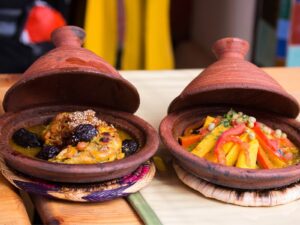
In Morocco, meals are shared and discussed, not just eaten. Common customs include one main dish in the center for everyone to share. Bread replacing knives and forks. Eating with your right hand when possible.
Hosts insisting you eat more – their way of saying, “You’re welcome here”
Meals aren’t rushed – conversation wanders, someone pours tea again, and time makes room.
Daily Life: What You’ll Notice Between Attractions
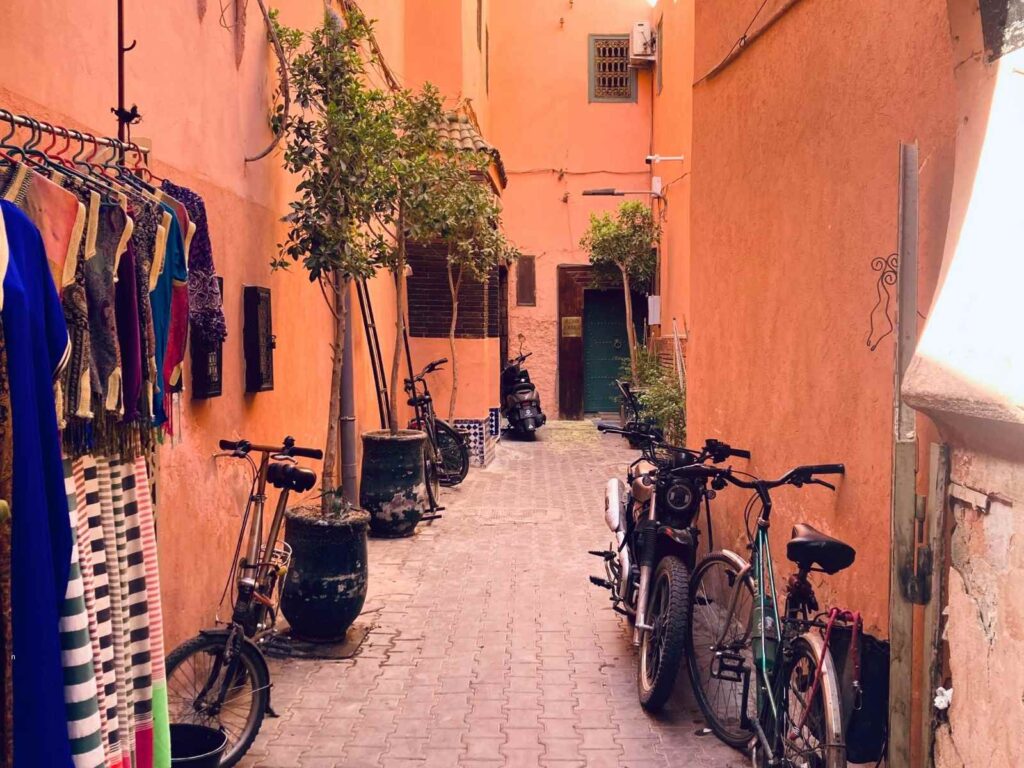
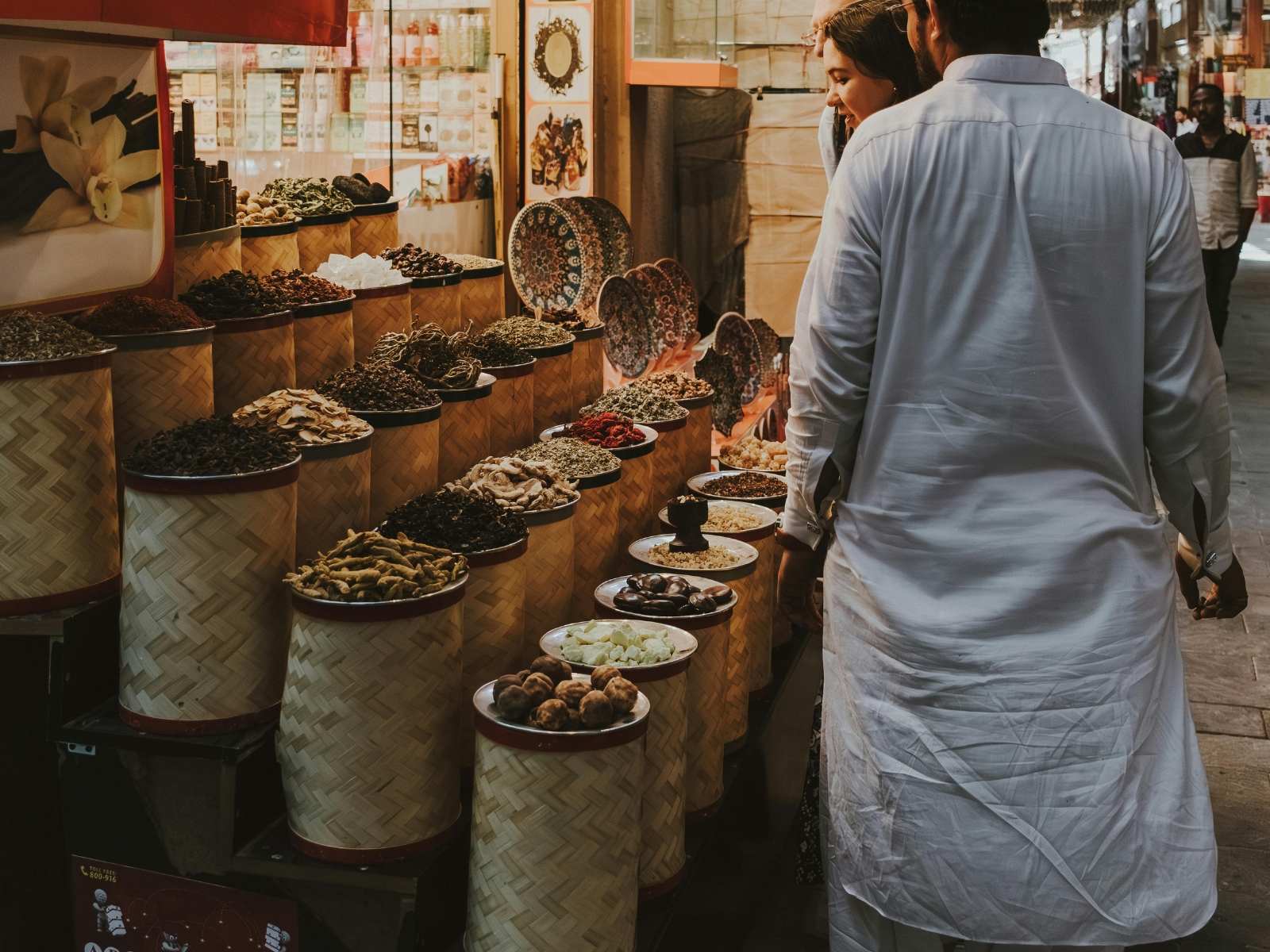
Walk through any city, and you’ll feel the pulse of daily Moroccan life. Men lean on café chairs, debating football or politics. Women chat across balconies. Kids play in alleys even after dark. Souks that seem chaotic at first reveal their own logic.
Life can feel both busy and unhurried. Plans change, schedules bend, and people choose conversation over the clock.
If you’re patient, the country will feel warmer.
Cultural Differences Visitors Often Notice
A few things might surprise you:
- Time is flexible – “five minutes” can mean “a little while”
- Bargaining is normal, negotiation is part of the fun in markets.
- Personal space is closer, people stand nearer while talking.
- Photography requires permission, especially with people and religious spaces.
Knowing this won’t stop surprises, but it can help you smile through them.
Moroccan Culture Varies Across Different Cities
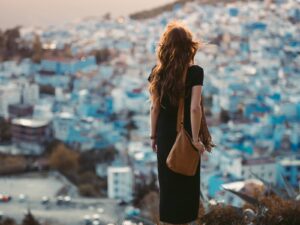
Culture looks different everywhere. In Marrakech, tradition meets performance – storytellers, snake charmers, and crowded squares. Fes, religion and scholarship feel deeply rooted. For Chefchaouen, the mountains slow everything down. In Casablanca, glass towers and cafés show Morocco looking forward.
Same values, different expressions.
Mistakes That Travelers Sometimes Make
Nothing dramatic, but avoiding these can help, Wearing revealing clothing in conservative areas. Trying to enter mosques without permission. Exhibiting impatience as events progress at a slow pace. Refusing tea or hospitality too abruptly
Gentleness opens doors here faster than authority.
To truly experience Moroccan culture, exploring the country’s diverse cities and regions is essential. These destination guides introduce Morocco’s most important places — from historic imperial cities and vibrant medinas to coastal towns and desert landscapes — helping you understand where to go, what to expect, and how each destination reveals a different side of Moroccan life.
Final Thoughts: Experiencing Moroccan Culture with Curiosity
Moroccan culture isn’t something you can “learn” in one trip – it unfolds slowly, over tea, shared meals, and talks with drivers, guides, and new friends.
Come with curiosity, not judgment. Ask questions, watch how things flow, and accept invitations when they feel right.
You’ll leave with more than just photographs – you’ll leave with context, and maybe a few stories worth sharing.
Frequently Asked Questions
Moroccan culture is known for hospitality, strong family ties, and respect for tradition. Daily life blends Arab, Amazigh, African, and Mediterranean influences. Social relationships matter as much as history and religion.
Greeting people politely, accepting tea when offered, and dressing modestly in public spaces are important. Meals are often shared, and time is treated flexibly. Respect and patience go a long way.
Moroccan culture is traditional but not closed. Attitudes vary by city, generation, and region. Visitors who show cultural awareness usually feel welcome and comfortable.
Family sits at the center of Moroccan life. Decisions, meals, and celebrations often involve extended relatives. Elders receive respect, and family obligations come first.
Daily life moves at a steady pace. Mornings start early. Cafés fill up. Markets stay busy. Evenings slow down around food, conversation, and family time.
Hospitality reflects honor and generosity. Guests are treated with care, often through food and tea. Welcoming others is part of social identity, not a formality.
Religious holidays, weddings, shared meals, and weekly family gatherings matter deeply. Many traditions revolve around food, prayer, and community rather than ceremony alone.
Islam shapes daily rhythms, holidays, and social values. Prayer times influence schedules, and religious festivals bring families together. Still, everyday life remains practical and adaptable.
Dress respectfully, ask before taking photos of people, and follow local cues. Politeness matters more than perfection. Showing interest in the culture is always appreciated.
No. Culture changes by region. Coastal cities feel relaxed. Imperial cities lean traditional. Mountain areas value community and routine. Each place offers a different rhythm of life.