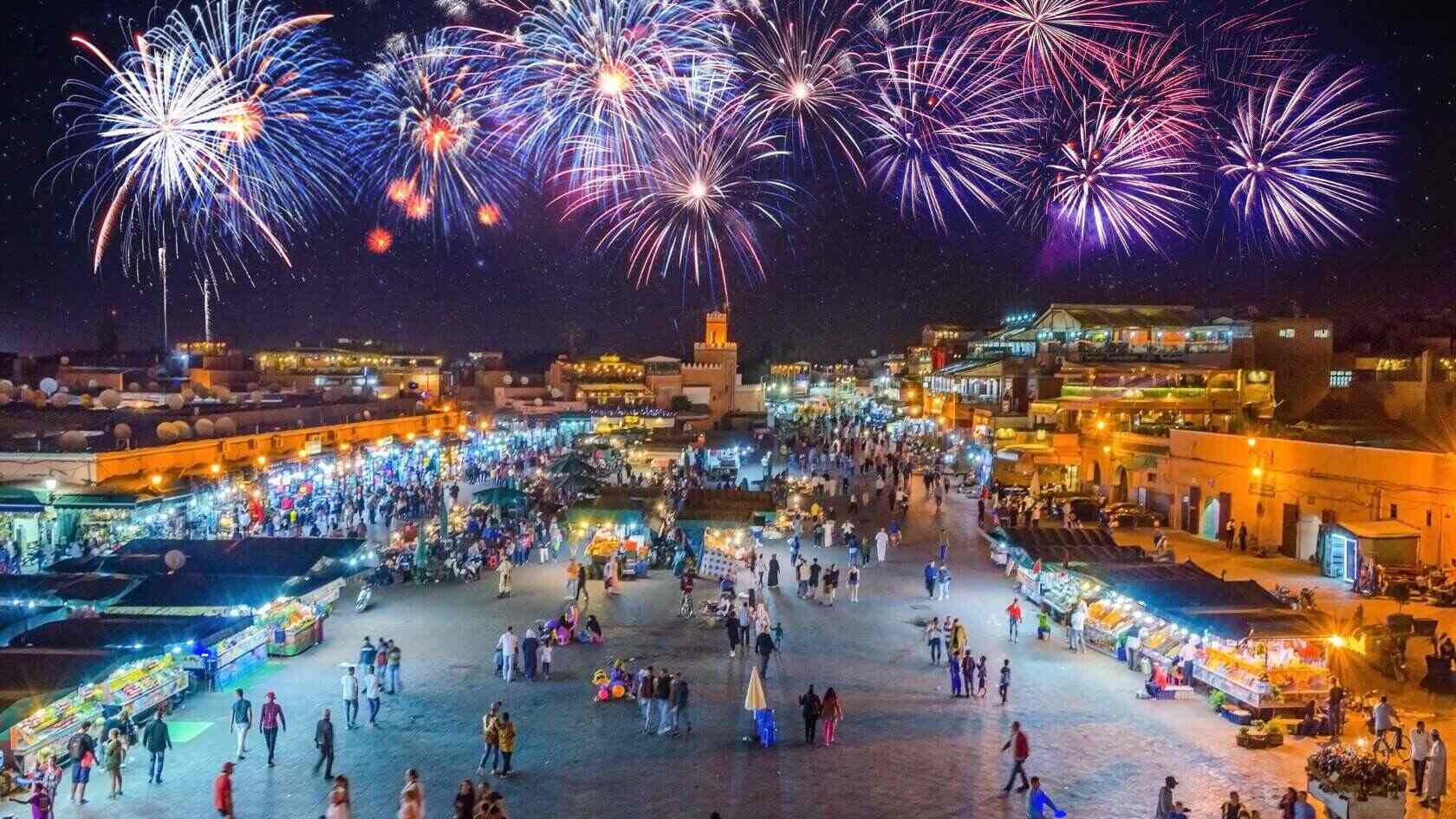
People often ask for the best time to visit Morocco as if there’s a single right answer. There isn’t. Morocco changes character with the seasons, and timing shapes how the country feels just as much as where you go.
I’ve seen Marrakech in August when the streets empty by noon and reappear after sunset, and I’ve walked the same medina in April when the air stays soft all day and nobody rushes. I’ve watched the Atlas Mountains turn green in spring, then go silent under snow in winter. Same places. Completely different experiences.
That’s why choosing the best time to visit Morocco isn’t about chasing “perfect weather.” It’s about knowing what kind of trip you want — slow or busy, coastal or inland, wandering or structured — and matching the season to that rhythm.
Why Timing Matters More Than You Think in Morocco
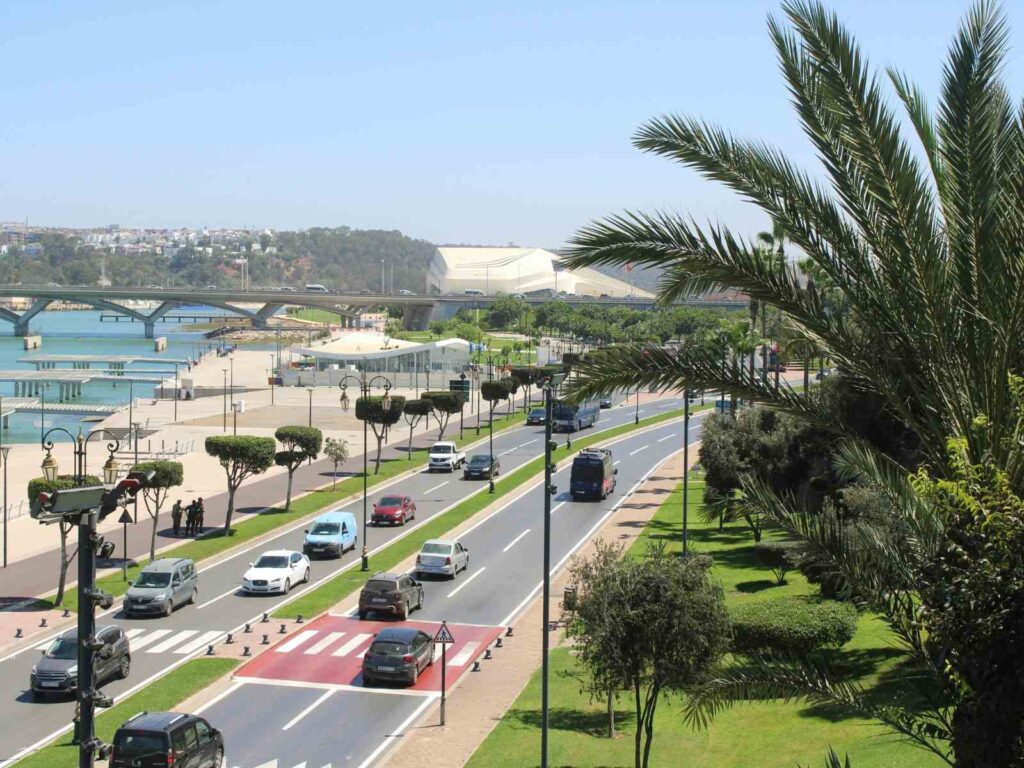
Morocco looks small on a map, but it doesn’t behave like one country when it comes to weather. The coast lives by the Atlantic. Inland cities heat up fast. The mountains follow their own rules. The desert ignores everyone.
This is why someone can tell you Morocco was “too hot” while another swears it was ideal — they weren’t in the same Morocco.
If your plan includes long walks, guided tours, or day trips, timing becomes everything. The best time to visit Morocco is usually when you can move through it without negotiating with the sun.
Morocco’s climate zones vary widely by region, which is also reflected in long-term data from the World Bank Climate Knowledge Portal for Morocco .
The Best Time to Visit Morocco Overall (And Why)
For most travelers, the best time to visit Morocco is spring (March to May) and autumn (September to November). Not because travel websites say so, but because life works better then.
In spring, cities like Marrakech and Fes are warm without being punishing. You can walk for hours without planning escape routes. Cafés stay busy all afternoon. Evenings invite you outside instead of sending you back to your room.
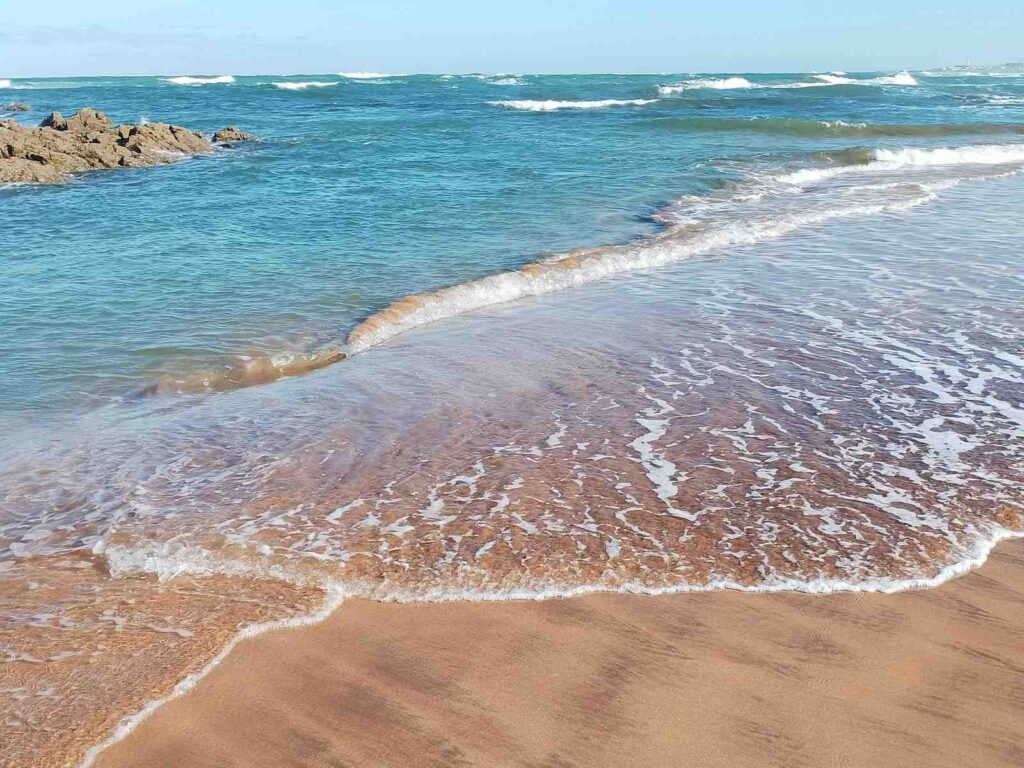
Autumn feels similar, but calmer. The heat fades. The pace slows. October, especially, is one of those months locals quietly appreciate — steady weather, fewer crowds, and no extremes.
If this is your first visit, these seasons give you Morocco at its most generous.
In short: spring and autumn are best for comfort, summer for budget and coast, winter for calm and culture.
Spring in Morocco: When Everything Opens Up
Spring is when Morocco stretches its shoulders after winter.
In the cities, days are clear and balanced. You’ll see people lingering in courtyards again, shopkeepers standing outside instead of hiding in shade. In the countryside, the colors return. The Middle Atlas turns green. Valleys near the mountains smell of earth and blossom.
Spring is the best time to visit Morocco if you want variety — city mornings, countryside afternoons, maybe a mountain day trip without worrying about snow or heat.
It’s also the easiest season for first-time travelers. Nothing fights you.
Summer in Morocco: Honest Advice, Not Warnings
Summer is not “bad,” but it’s specific.
Inland cities get hot. That’s not an exaggeration, and there’s no clever way around it. In July and August, Marrakech at midday belongs to locals who know exactly where the shade is — and to tourists who didn’t plan ahead.
But summer also shows Morocco’s other faces. Coastal towns like Essaouira stay cool and breezy. Life shifts to early mornings and late nights. Rooftop dinners make sense again after sunset.
If summer is when you can travel, adjust your expectations. Slow down. Build your days around the heat instead of fighting it. Focus on coast, mountains, or short experiences.
For budget travelers, summer can quietly be the best time to visit Morocco — prices soften, and crowds thin out inland.
Autumn in Morocco: The Season Locals Don’t Advertise
Autumn doesn’t get the attention spring does, but many experienced travelers prefer it.
By September, the worst heat has passed. By October, everything feels steady again. Desert tours return to comfort. Cities feel lived-in, not rushed. You can move from coast to city to mountains without changing your entire schedule.
Autumn is the best time to visit Morocco if you want balance — good weather, fewer crowds, and flexibility.
It’s also a great season for photographers. The light is softer, the skies clearer, and the pace more forgiving.
Winter in Morocco: Quiet, Clear, and Often Underrated
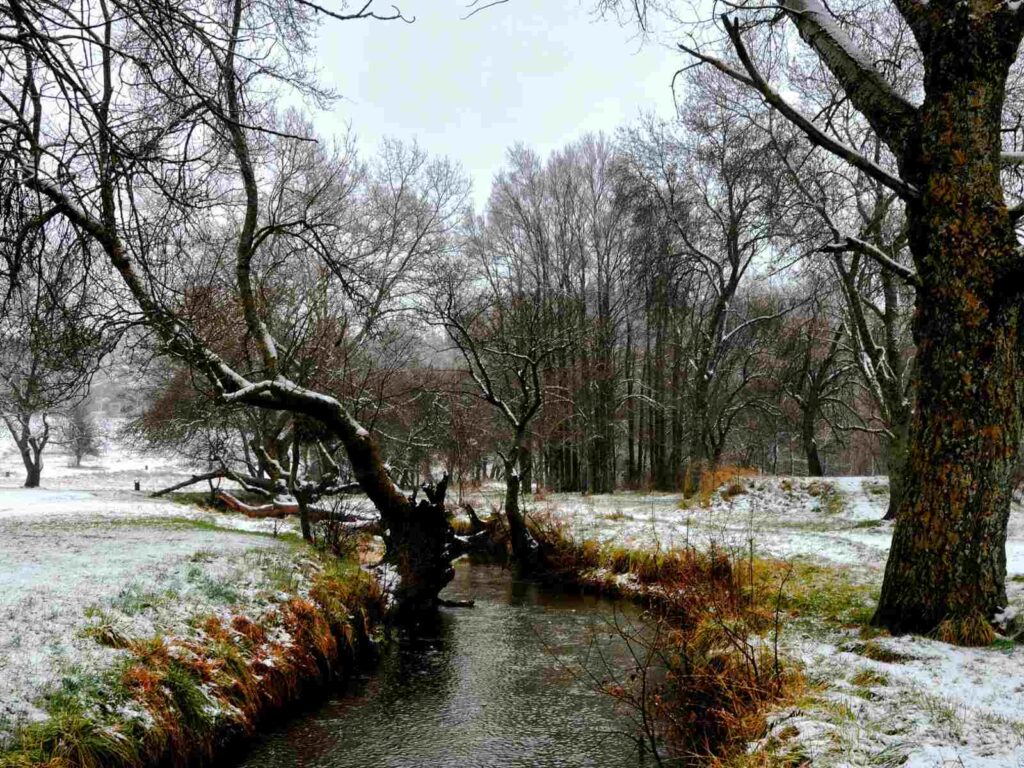
Winter surprises people.
Days in cities are often mild and bright. You’ll walk through medinas in a light jacket, not a coat. Evenings get cold, especially away from the coast, and the mountains can feel properly wintery.
Winter works well if you like space. Fewer tour groups. Easier bookings. More time to talk to people who aren’t overwhelmed by visitors.
If you’re planning desert nights or mountain stays, bring warm layers. That’s not advice — it’s experience.
Best Time to Visit Morocco for Sightseeing
If your idea of Morocco is walking — medinas, old cities, historic sites — then spring and autumn win without argument.
Cities like Chefchaouen and Tangier feel best when you’re not watching the clock or the temperature.
The best time to visit Morocco for sightseeing is when walking feels natural, not strategic.
Best Time to Visit Morocco for Tours and Day Trips
Tours depend on weather more than people admit.
City tours are tiring in extreme heat. Desert tours lose their magic when discomfort takes over. Mountain trips close entirely in bad conditions.
From October to April, most tours operate at their best. Spring and autumn offer the widest range without compromise — city walks, desert nights, mountain days, all possible without stress.
Best Time to Visit Morocco on a Budget
If cost matters, look outside peak seasons.
Summer inland and winter overall offer better prices on accommodation and tours. The country doesn’t shut down — it simply quiets. If you’re flexible and realistic, these periods can be rewarding.
The best time to visit Morocco on a budget is when you accept trade-offs instead of chasing ideal conditions.
Plan Your Morocco Trip
Planning your trip to Morocco? These guides help you prepare:
Final Thoughts on the Best Time to Visit Morocco
The best time to visit Morocco isn’t a secret month or a fixed answer. It’s when the country meets you halfway.
Spring and autumn do that most easily. They let you walk, explore, linger, and change plans without friction. But every season has its own version of Morocco — some louder, some calmer, some demanding patience, others offering space.
Choose the season that matches how you travel, not how a checklist tells you to.
And when in doubt, remember this: Morocco rewards travelers who move with it, not against it.