Is Morocco safe? It’s one of the first questions people ask when planning a trip here, and it’s a fair one. Traveling to a country with a different culture, language, and rhythm can feel uncertain—especially if it’s your first time outside Europe or North America.
The short, honest answer is yes. Morocco is safe for travelers, including first-time visitors, solo travelers, and families. I say that not as a slogan, but as someone who lives here and watches visitors arrive every day—curious, cautious, and often surprised by how comfortable they feel once they settle in.
Like anywhere else, safety in Morocco depends on awareness, context, and common sense. This guide looks at the reality on the ground so you can decide with confidence.
Quick safety overview: Morocco is safe for tourists, including solo and family travelers. Violent crime is rare, and most issues involve minor scams or crowded areas. Awareness and common sense are usually all that’s needed.
Is Morocco Safe to Visit in 2026?
Official travel guidance from the UK Foreign Office also recognizes Morocco as a stable destination for tourists, with standard precautions advised.
Morocco is widely considered one of the safest countries in North Africa. Tourism plays a central role in the economy, and there is a strong, visible effort to protect visitors, particularly in popular destinations.
Violent crime involving tourists is rare. What most travelers experience instead are minor issues: crowded spaces, persistent vendors, or the occasional attempt at overcharging. These moments can feel uncomfortable, but they are not dangerous.
Millions of people visit Morocco every year and leave with stories of hospitality, not harm. For the vast majority, the country feels lively, social, and secure.
Safety in Morocco by Region
Is Morocco Safe in Major Cities?
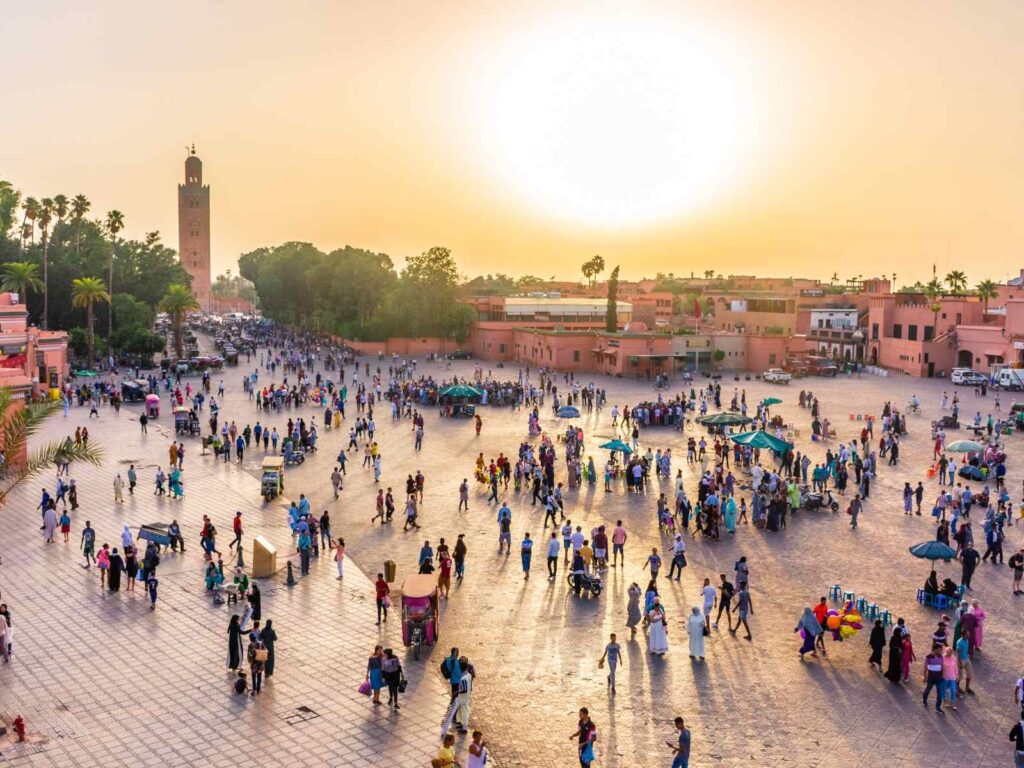
Cities like Marrakech, Fes, Casablanca, and Tangier are well used to tourism. You’ll find police presence in busy areas, functioning public transport, and a steady flow of international visitors.
The main thing to watch for in large cities is the same thing you’d watch for in Paris or Rome: crowds. Medinas are dense, lively spaces. Keep your phone secure, don’t flash valuables, and avoid empty streets late at night if you don’t know the area well.
Used this way, cities in Morocco are generally very safe.
Is Morocco Safe in Small Towns and Rural Areas?
In smaller towns and villages, many travelers actually feel safer than in big cities. People know each other. Curiosity replaces anonymity. Hospitality is often genuine and unforced.
The main challenge in rural areas is not crime, but logistics. Fewer people speak English, transport runs less frequently, and services are spread out. In remote regions, traveling with a guide makes things easier and safer—not because the area is dangerous, but because it avoids confusion.
Is Morocco Safe for Solo Travelers?
Is Morocco Safe for Solo Female Travelers?
This question deserves a clear, respectful answer. Yes, Morocco is safe for solo female travelers, and many women travel here independently every year. However, cultural differences can lead to attention, especially in busy tourist areas.
This attention is usually verbal, not physical. It’s often curiosity mixed with poor boundaries, not threat. Dressing modestly, walking with purpose, and ignoring comments tends to shut situations down quickly.
Most women I meet say the same thing afterward: Morocco required awareness, but it never felt unsafe.
Is Morocco Safe for Solo Male Travelers?
Solo male travelers generally face very few safety concerns. Morocco is social, conversational, and welcoming. Many men find it easy to strike up conversations, receive invitations for tea, or connect with other travelers.
The same basic rules apply: stay aware, especially at night, and don’t assume friendliness always comes without expectations.
Common Safety Concerns in Morocco (And the Reality)
The most common issues travelers face are non-violent and avoidable.
Pickpocketing can happen in crowded medinas. Keep valuables zipped and close to your body. Scams usually involve overpricing or unsolicited “guides.” A firm but polite refusal works better than engagement.
Street vendors can be persistent, especially in tourist hotspots. This is annoying, not dangerous. Think of it as background noise in busy places.
Health and Transportation Safety in Morocco
Healthcare in major cities is reliable, with private clinics offering good service. Drink bottled water, take it easy with street food at first, and carry basic medication.
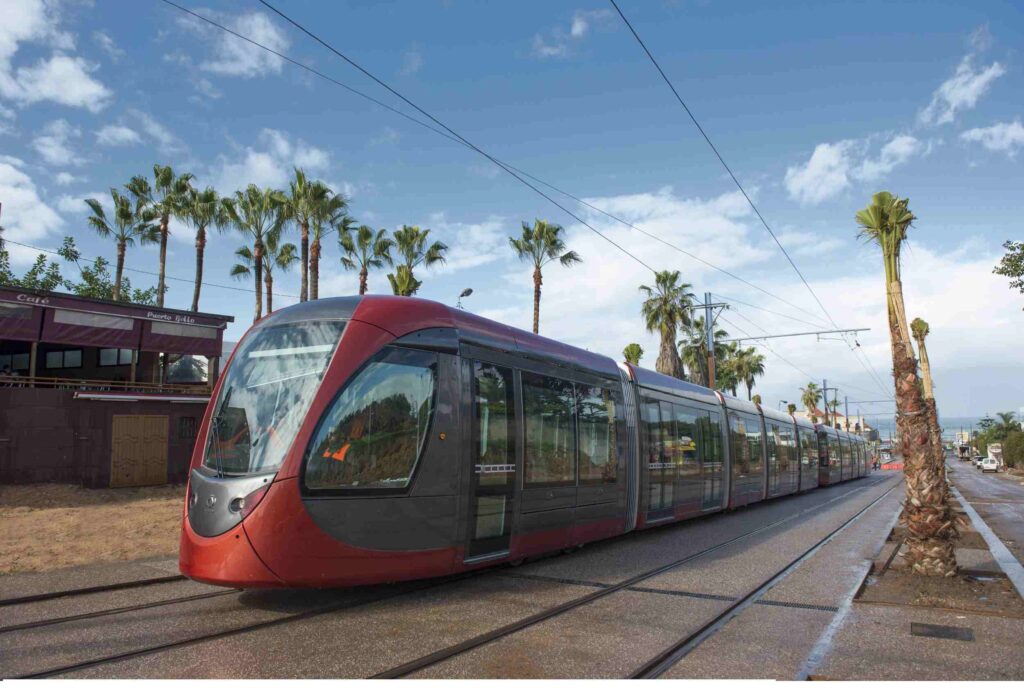
Transportation is generally safe when you use reputable options. Trains are one of the safest and easiest ways to travel between cities. Taxis are fine when licensed and priced clearly. For long distances, organized buses and private drivers are dependable.
Cultural Awareness and Safety in Morocco
Understanding local customs goes a long way toward feeling safe. Dressing modestly, especially outside tourist areas, reduces unwanted attention. Asking before photographing people shows respect. Being calm and polite, even when declining offers, changes how interactions unfold.
Moroccans value courtesy. When you give it, you usually receive it back.
Is Morocco Safe for Families?
Absolutely. Morocco is family-friendly, and children are welcomed warmly. Riads, guided tours, and cultural sites often go out of their way to accommodate families.
Parents should keep the same awareness they would anywhere else—watch children in crowds and stick to organized activities—but families regularly report positive, relaxed experiences.
When to Be Extra Careful in Morocco
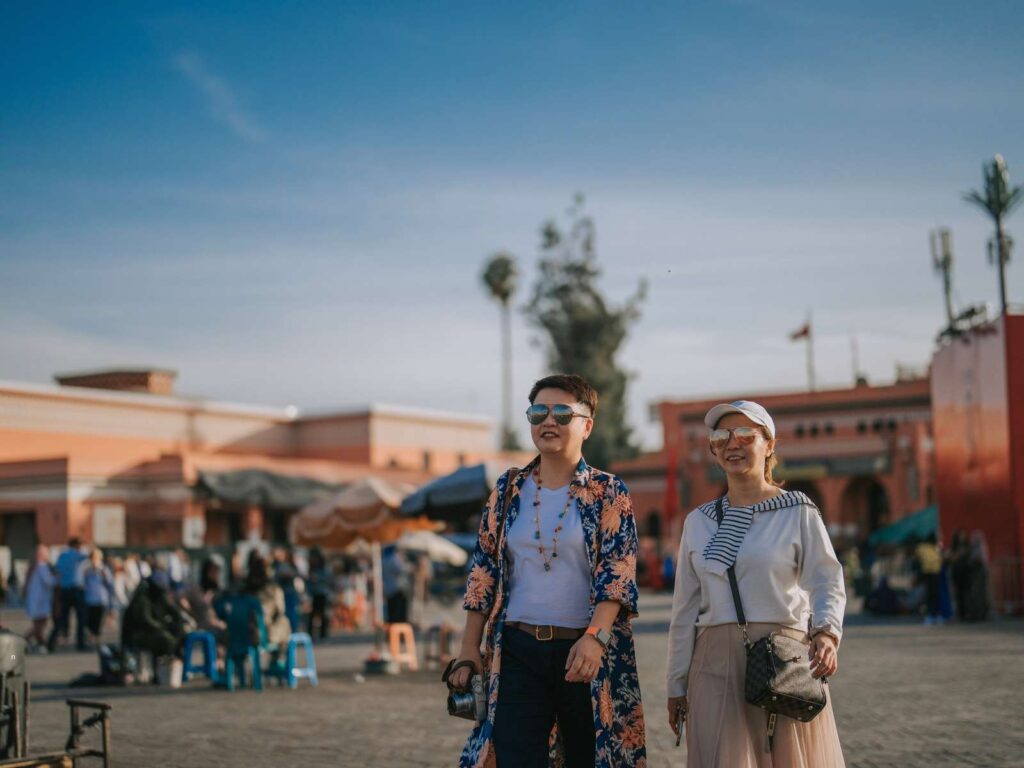
Extra caution is wise in very crowded tourist areas, late at night in unfamiliar neighborhoods, or when someone insists on helping you without being asked. These situations are not unique to Morocco; they exist in most popular destinations.
Treat Morocco the way you’d treat any unfamiliar country, and you’ll be fine.
Plan Your Morocco Trip
Planning your trip to Morocco? These guides help you prepare:
Final Verdict: Is Morocco Safe?
So, is Morocco safe? Yes. Morocco is safe for travelers who stay aware, respect local culture, and use common sense. It is not a place that requires fear—only attention.
Most visitors leave with stories of kindness, shared meals, unexpected help, and moments that feel deeply human. Safety, here, is not about avoiding Morocco. It’s about understanding it.
For deeper planning, explore our city guides, things to do, and tours & activities to travel Morocco with confidence and clarity.