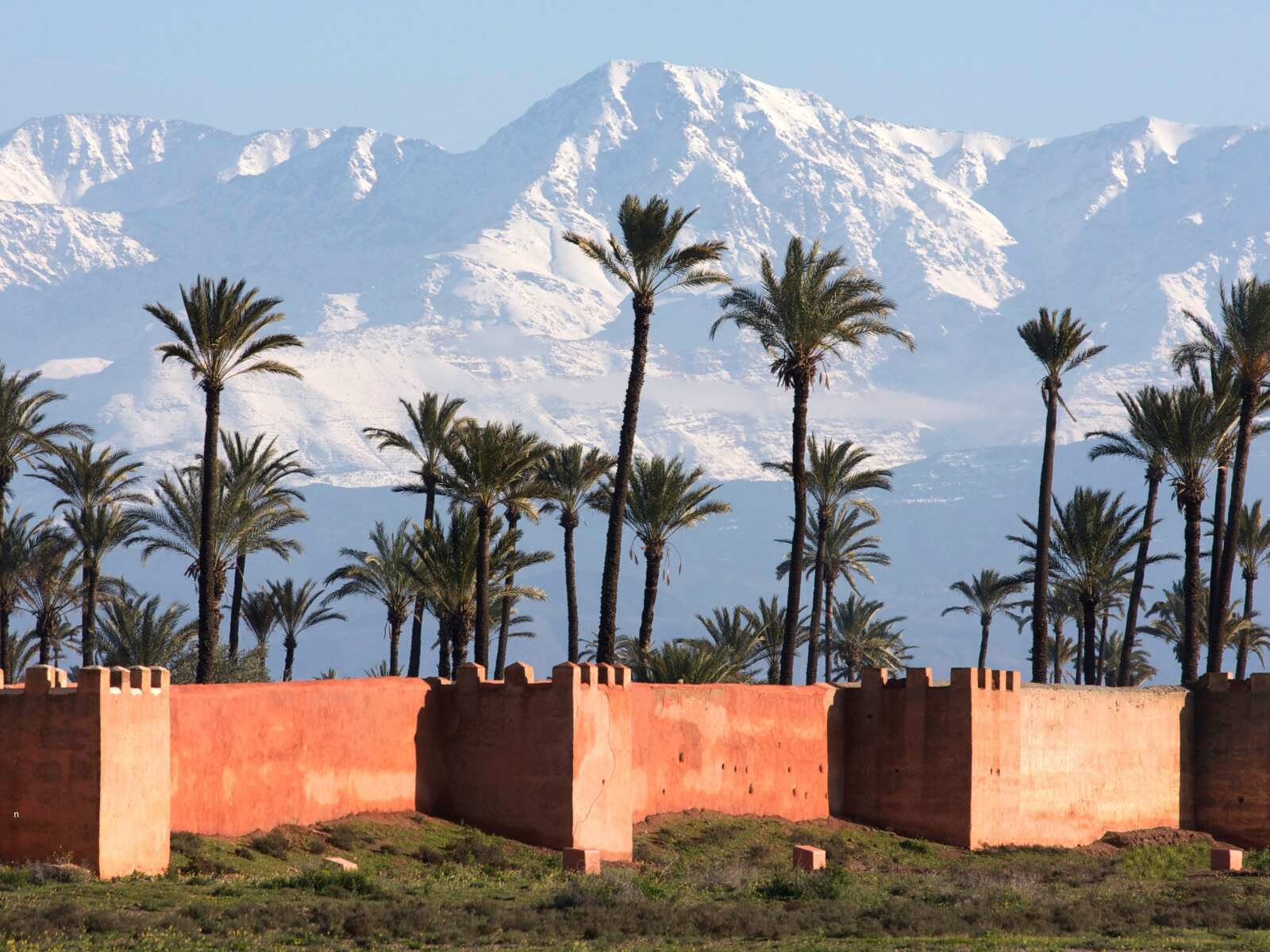
The best day trips from Marrakech depend on how much of your day you want to spend travelling. Choose Agafay for a shorter rocky-desert outing, Ourika for river scenery and an optional waterfall walk, Imlil for a planned mountain hike, Ouzoud for dramatic falls, or Essaouira for the Atlantic coast. Ait Ben Haddou offers a different kind of reward, but reaching it and returning means a much longer day on mountain roads.
Start with the experience you want, then compare the journey, walking and time left to enjoy it. For help fitting an excursion into your wider stay, see the Marrakech travel guide.
Which day trip from Marrakech should you choose
These are planning estimates from central Marrakech, not guaranteed schedules. Travel times are one way by road. Pickups, stops, traffic and weather can extend the day. Confirm the endpoint: the lower Ourika Valley is a shorter trip than continuing to Setti Fatma.
| Destination and appeal | One way | Total outing | Walking | Main trade-off |
|---|---|---|---|---|
| Agafay • rocky scenery and sunset | 45–60 min | 4–8 hours | Limited at a camp; rough ground outside | No Sahara sand dunes; dinners can finish late |
| Lalla Takerkoust • lake views and lunch | 45–60 min | 4–5 hours | Optional; access varies | Best for an unhurried meal rather than many sights |
| Palmeraie • nearby activities | 20–40 min | 2–4 hours | Activity-specific | City-fringe outing, not a remote escape |
| Ourika and Setti Fatma • river and falls | 45–75 min lower valley; 90–120 min Setti Fatma | Half-day lower valley; 7–9 hours with falls | Limited for lunch; rocky climb to falls | Endpoint and chosen walk change the whole day |
| Imlil • villages and mountain walks | 1.5–2 hours | 8–9 hours | Uneven and uphill; route can be tailored | A village day is not a Toubkal summit trip |
| Ouirgane • village and grove walks | 1.25–1.5 hours | 8–9.5 hours | Variable; agree a shorter route | Fewer single headline sights |
| Three Valleys • mountain circuit | Depends on route | 8–10 hours | Often optional short walks | More driving; no standard set of stops |
| Oukaimeden • high mountain scenery | 1.5–2 hours in suitable conditions | 7–9 hours | Optional; altitude and conditions matter | Snow, road access and ski operations vary |
| Ouzoud • large waterfalls | 2.5–3 hours | 10–11.5 hours | Viewpoints or steep descent and return | Around 5–6 hours travelling |
| Essaouira • medina and Atlantic coast | 2.5–3 hours | 10–12 hours | Flexible urban walking | Allow roughly 4–5 hours in town |
| Ait Ben Haddou • earthen ksar | 3.5–4.5 hours | 11–13+ hours | Sloping lanes and steps | Long mountain drive; extra stops compete for time |
| Casablanca • mosque and architecture | About 3–3.5 hours by road | 10–14 hours | Urban walking plus transfers | Best with a specific sightseeing priority |
A quick way to narrow the choice: with half a day, look at Agafay, Lalla Takerkoust or a nearby activity. For a day centred on walking, compare Imlil and Ouirgane. For river scenery without committing to a hike, choose a tailored Ourika visit. If the coast or Ouzoud’s falls are the main attraction, accept the longer transfer and keep the rest of the itinerary simple.
Half day and evening trips from Marrakech
Agafay Desert visits from daytime to dinner
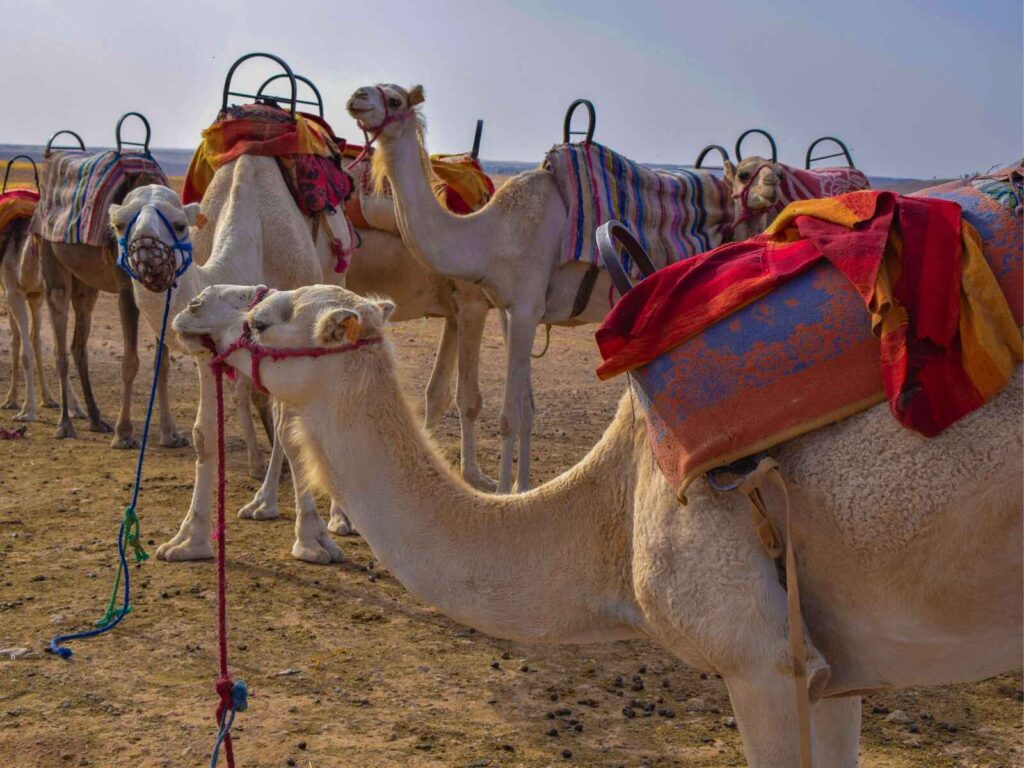
Agafay’s appeal is its open, stony landscape close to the city. The official Marrakech tourism guide describes a rocky desert, so expect pale hills and exposed ground rather than the high sand dunes of Erg Chebbi.
Allow around 45–60 minutes each way, then choose the format that fits your time. A lunch or pool pass is a different outing from a sunset activity, and a dinner with entertainment may occupy most of the afternoon and evening. Read the return time before treating any of them as a half-day trip.
A camp-based visit can involve little walking, but paths and restaurant approaches vary. Camel rides and quad biking have their own physical demands and restrictions; being close to Marrakech does not make every activity suitable for every traveller. Confirm the camp, transfer point, meal, drinks and any activities separately. A private return driver or a package transfer is more useful than an outward ride with no plan to get back.
Choose Agafay for scenery, a meal or sunset without a long transfer. Choose somewhere else if your priority is exploring a town, hiking in a valley or seeing Sahara dunes. Midday heat and exposed ground can make an evening visit more appealing in hot weather, while cooler evenings call for an extra layer.
Lalla Takerkoust for lake views and lunch
Lalla Takerkoust suits a slower outing built around a view and a meal. Budget around 45–60 minutes each way and two or three hours there, giving a total of roughly four or five hours. A local transport provider’s lake guide describes the reservoir and its proximity to Agafay.
Book a restaurant or specific activity first, then arrange a return driver or self-drive. Ask about the approach from the car park if steps or uneven ground are a concern. Shore access, water levels and activities can change, so do not build the day around an assumed swim or watersport session.
Combining the lake with Agafay can work, but it needs a timed route rather than two separate half-day descriptions added together. This is a good choice for a leisurely lunch; skip it if you want a full programme of historic sights or a substantial walking trail.
A nearby alternative: the Palmeraie is better treated as a short activity outing on Marrakech’s edge. Allow roughly 20–40 minutes each way, depending on the activity base. Confirm the full transfer-and-activity duration, safety arrangements and return ride when comparing Marrakech tours and activities.
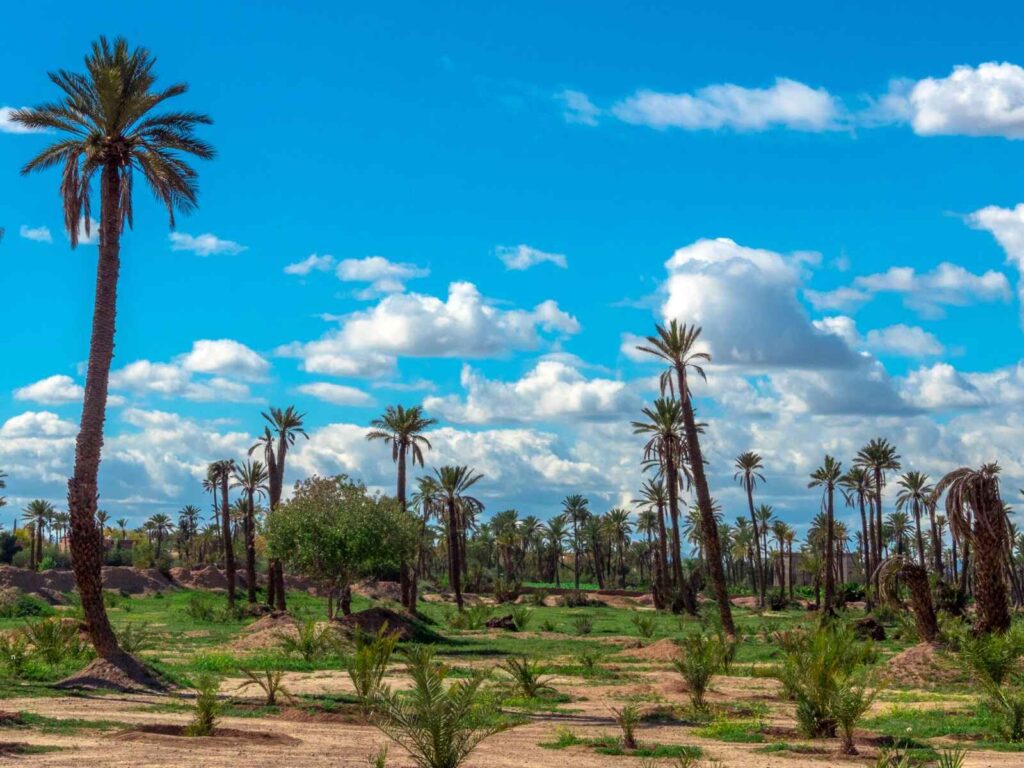
Atlas Mountains day trips and choosing a valley
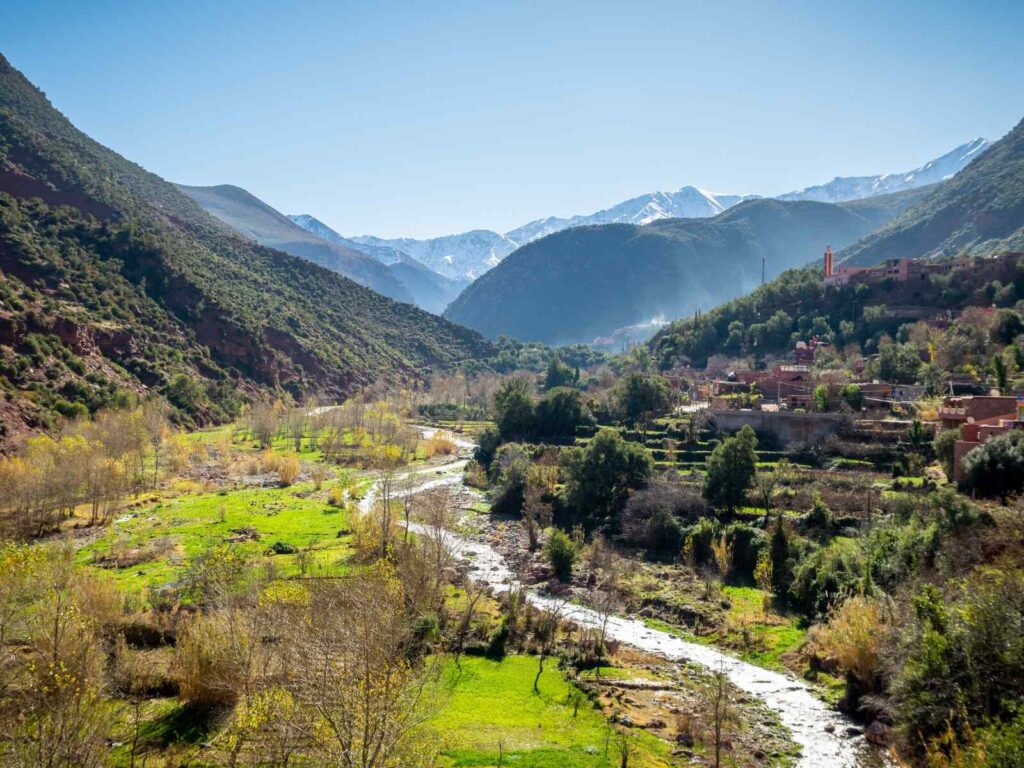
Ourika Valley and Setti Fatma for river scenery or a waterfall climb
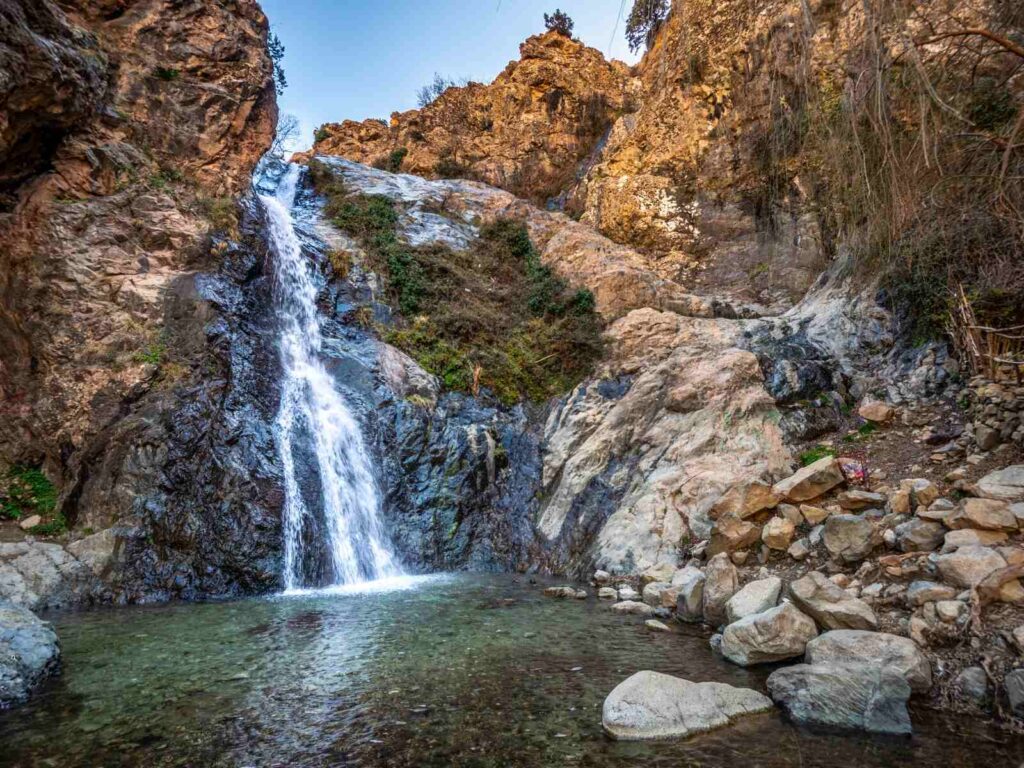
An Ourika day can be as simple as a scenic drive and riverside lunch, or as active as a rocky waterfall walk. The distinction matters when booking: lower-valley stops may be reached in about 45–75 minutes, while continuing to Setti Fatma usually calls for around 1.5–2 hours each way.
For a full Setti Fatma outing, allow seven to nine hours overall, with time for lunch and the agreed walk. The waterfall route includes uneven rock and can be slippery. Going beyond the first fall adds effort, so do not assume that a reference to the seven cascades describes a gentle stroll. The Setti Fatma planning guide gives useful terrain context, but ask a local guide about the exact route and conditions that day.
Private drivers and shared excursions offer different levels of flexibility. If you want the river setting without the climb, say so before booking and confirm where you can spend that time. Even a riverside restaurant may have steps or a bridge to cross. Meals and a local walking guide may cost extra.
Choose Ourika for a valley day with an optional hike. Skip the waterfall climb if you are uncomfortable on uneven or slippery ground. After rain, current local advice matters more than the advertised itinerary.
Imlil for village paths and a planned mountain walk
Imlil is a stronger choice when walking is the main purpose of the day. Allow roughly 1.5–2 hours each way and eight or nine hours overall. That leaves time for a village visit, lunch and a route matched to your group, rather than simply arriving, taking photographs and leaving.
Agree the walk’s duration, ascent and turnaround point beforehand. A short village route and a longer mountain hike are different commitments, and even a lunch-only visit can involve an uphill approach. For example, Kasbah du Toubkal’s published day excursion separates time relaxing over lunch from an optional trek.
Book return transport and clarify whether a walking guide is included. For Atlas hiking, the UK government’s Morocco travel advice recommends a professional guide. Check weather and the selected route shortly before departure, especially for higher ground.
Choose Imlil for a deliberately planned walk in mountain surroundings. Choose a different format if you mainly want to remain beside the vehicle. A Marrakech day trip to Imlil should not be confused with an ascent of Mount Toubkal, which requires a separate trekking itinerary.
Ouirgane for village and grove walks
Ouirgane offers another way to spend a day walking between villages and cultivated landscapes. Allow about 1.25–1.5 hours each way and a full day overall. A local Ouirgane itinerary describes a two- to three-hour walk, but the route and length should be agreed for your group.
Use a private transfer, an organised day or a self-drive plan with a guide if you want a particular walk. Confirm whether lunch and guiding are included, and ask for a shorter alternative if needed. Lower elevation does not mean every path is flat or paved. Choose Ouirgane for the walking day itself; pick Ourika or Ouzoud if seeing waterfalls is your main aim.
Ourika or Imlil: Ourika gives you a river-and-lunch option with a separate waterfall climb. Imlil puts village paths and mountain walking at the centre of the day. Ouirgane is worth considering when a village-and-grove route sounds more appealing. Ask about the actual path, not just whether the destination is described as “easy.”
What a Three Valleys tour actually includes
“Three Valleys” is a tour label, not one fixed route. Some itineraries combine Ourika, Asni, the Kik Plateau and Lalla Takerkoust; others head toward Oukaimeden. Compare the named stops rather than assuming that two similarly named tours visit the same places.
Allow roughly eight to ten hours and ask how much time is spent driving, walking and visiting. A circuit suits travellers who want changing scenery with brief stops. Choose one valley instead if you would rather linger over lunch or take a longer walk. Check whether any waterfall climb is optional and whether all advertised stops are weather-dependent.
Seasonal option: an Oukaimeden excursion can be a high-mountain scenery outing, with roughly 1.5–2 hours driving each way in suitable conditions. Do not book solely on an expectation of snow or skiing. Check road conditions and the operation of lifts, equipment hire and any planned activity directly before travelling.
Full day trips to Ouzoud and Essaouira
Ouzoud Waterfalls from upper viewpoints to the base
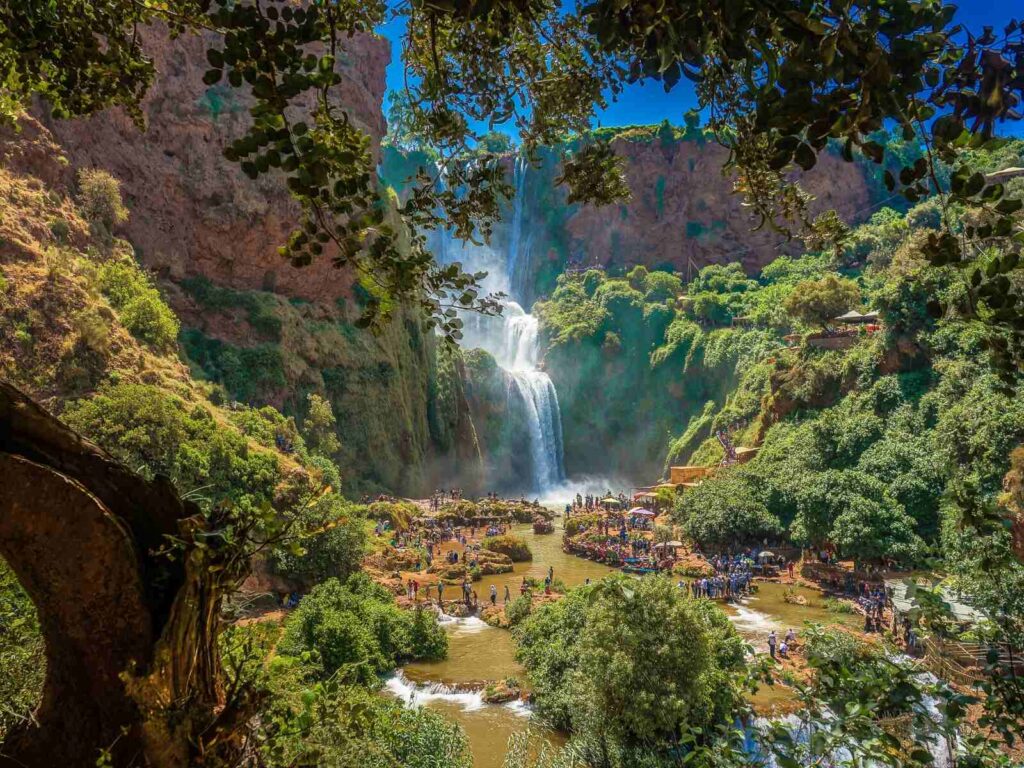
Ouzoud rewards travellers who want a day centred on waterfalls and are comfortable with the drive. Budget about 2.5–3 hours each way and ten to eleven and a half hours overall. Depending on stops and pickup arrangements, roughly three to five hours may remain at the falls; a published shared itinerary gives a useful example of the journey and visit time.
The key choice is how far to walk. Upper viewpoints involve less effort than descending to the base and climbing back, although a particular viewpoint should not be assumed to be step-free. A local walking operator describes the main descent and return as roughly 1.5–2 hours. Steps, uneven surfaces and the uphill return are more useful measures of suitability than a generic “easy walk” label.
Shared excursions, a private driver and self-drive are practical formats. Check whether a local guide, lunch and any boat ride are included. Boats depend on local operating conditions; wildlife sightings and water conditions cannot be promised. Give monkeys space rather than feeding or approaching them.
Choose Ouzoud for a waterfall-focused full day. Skip it if five or six hours travelling feels too much for the time you have. Ask about a viewpoint-only visit before joining a group whose planned route goes all the way down.
Ourika or Ouzoud: choose Ourika for the shorter journey and a river-valley day with smaller falls reached on a rocky path. Choose Ouzoud when the larger waterfall landscape is your priority and you are happy with the longer drive. Neither waterfall walk is automatically suitable for someone who needs level ground.
Essaouira and how much time you will have by the sea
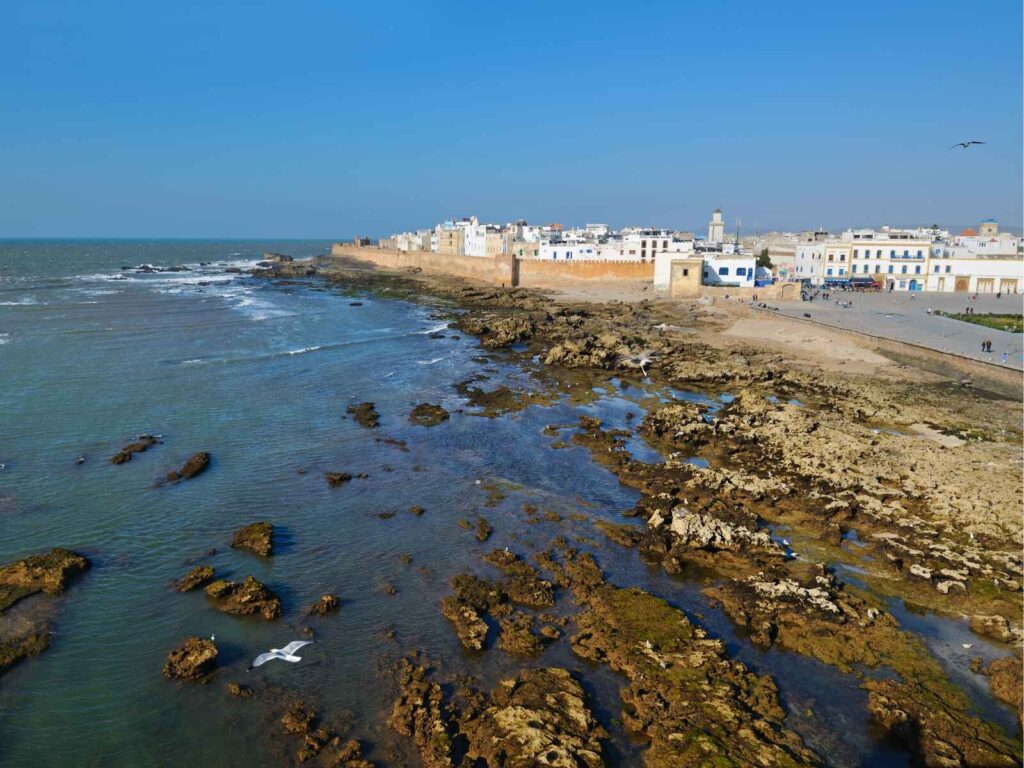
Essaouira offers the clearest change of setting: an Atlantic-facing medina, harbour and seafront in place of Marrakech’s inland streets. The road journey takes around 2.5–3 hours each way. On a ten- to twelve-hour outing, plan around four or five usable hours in town once transfers and stops are accounted for; a flexible private itinerary may allow more.
Keep the visit focused. Walk through the medina, spend time around the harbour and leave room for lunch. Add a short seafront walk if the schedule allows. Ramparts, extended shopping and a surf lesson all compete for the same hours, so use the things to do in Essaouira guide to choose a few priorities rather than a checklist.
You can travel with shared transport, a private driver, a rental car or an intercity coach. For an independent visit, check CTM’s booking service for outbound and return options on your travel date, along with the stations and transfer time. A coach ticket does not include sightseeing stops or a guide.
Urban walking is flexible, but individual sights may have steps. Bring a layer for coastal wind and check sea conditions before arranging a water activity. Stay overnight if you want dinner in town, beach activities or a slower visit. The Essaouira travel guide is a useful next step for extending the stay.
Longer journeys and when to stay overnight
Ait Ben Haddou and Ouarzazate make a very long day
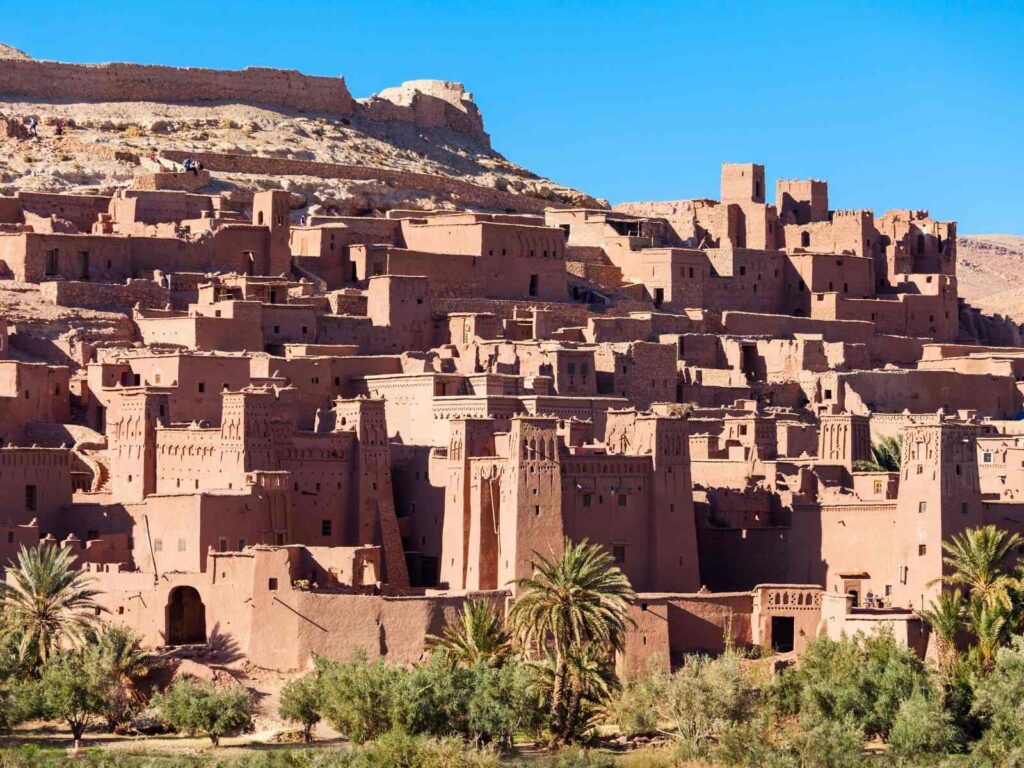
Ait Ben Haddou is worth considering for its architecture, provided the journey suits you. The UNESCO-listed Ksar of Ait-Ben-Haddou is a fortified settlement of earthen buildings, not simply one kasbah. Its compact lanes and rising silhouette make it a distinctive destination south of the High Atlas.
Allow roughly 3.5–4.5 hours each way to the ksar and eleven to thirteen hours or more for the whole excursion. The route crosses the winding Tizi n’Tichka pass, as shown in this direct operator’s day itinerary. Weather, road conditions and stops can extend the drive, leaving around two or three hours for the main visit on a tightly planned day.
Walking within the ksar involves slopes, steps and uneven ground. A lower viewpoint visit is a different option from climbing through the settlement, so tell your driver or guide which you want. Check current access and any paid visits rather than assuming everything is covered by the transport price.
Adding Ouarzazate and a studio visit increases both driving and sightseeing time. Atlas Studios’ visitor information notes that filming can alter the tour route. Before booking a combination, ask how long you actually get at the ksar, whether the studio ticket is included and what other stops are optional.
Choose the day trip if Ait Ben Haddou is a priority and you accept the road time. Stay overnight or build it into an onward southern itinerary if you want several Ouarzazate-area sights, a slower lunch or less pressure to return to Marrakech that evening.
Agafay or the Sahara and what fits into one day
For a desert-style outing that returns to Marrakech the same evening, Agafay is the practical nearby choice. Choose it for a camp meal, sunset or a short outdoor experience in a rocky landscape.
The major dunes around Merzouga and Erg Chebbi require a different plan. A published three-day Marrakech to Merzouga itinerary includes two nights away and a long return journey. Three days is still road-heavy; allowing four or more gives greater scope to spread out stops and driving. Decide on the specific dune region and route before comparing packages, rather than treating every trip labelled “Sahara” as equivalent.
What about Casablanca: it can work for travellers with a specific interest in Hassan II Mosque or urban architecture, but it is a long day. Allow around six to seven hours of return road travel, or check dated rail options with ONCF and add station transfers. Match the journey to the mosque’s official guided-visit timetable, which varies by season, Friday and Ramadan. An overnight is a better fit for a broader city visit.
Getting there without a car and comparing the full cost
Choosing between shared transport and private tours
Start by identifying what is being sold. Shared transport may mean a seat in a minibus with free time at the destination. A guided excursion should specify which visits and walks are led. A private vehicle offers more control over stops but does not automatically include a mountain or city walking guide.
Private transport can make sense for a family or small group, particularly when sharing a vehicle price. Shared outings may cost less for a solo traveller but can involve several pickups and a fixed return. Compare organised Marrakech experiences only after deciding where you want to go and how much walking you want.
Which trips you can arrange independently
Essaouira is one of the clearer independent options because an intercity coach can deliver you to a town you can explore on foot. Casablanca has the rail alternative. Check the return service before committing to the outward journey, and allow time to reach the station at both ends.
For valleys, camps and scattered sights, a prearranged return driver or rental car often gives a simpler plan. Do not assume a public service follows a commercial Three Valleys circuit or that a bus to Ouarzazate stops at Ait Ben Haddou. Self-driving also means handling parking, navigation and mountain-road conditions yourself.
What is included in the advertised price
Compare the full day’s cost, not just the first price displayed. Published examples checked on 14 November 2026 illustrate why the pricing basis matters:
- Private Ourika transport: Trans Marrakech lists EUR 75 for a four-seat vehicle and EUR 90 for a seven-seat vehicle. Confirm meals and walking-guide costs separately.
- Agafay camp pass: Les Terrasses d’Agafay lists a day pass from MAD 550 per person and dinner-and-pool access from MAD 650. The stated return shuttle uses Hôtel Chems as its meeting point; drinks and some menu choices cost extra.
- Imlil day with a trek: Kasbah du Toubkal’s dated 2026–27 tariff lists EUR 130 per person from Marrakech for a group of two or three, with a two-hour trek, plus a 5% levy. That is a per-person excursion price, not a vehicle quote.
These are individual published offers, not market averages or guaranteed availability. Recheck the date, party size and full inclusions before booking.
Ask for the following in writing:
- The exact pickup point, pickup window and expected return time. Medina pickup may mean meeting at an accessible gate rather than at your riad door.
- Time at the main destination, the planned walk and any shorter alternative.
- Whether meals, drinks, walking guides, admissions, boat rides and activity equipment are included.
- The per-person or per-vehicle basis, minimum group size, optional shopping stops and cancellation terms.
- For families or access needs, suitable seating, the vehicle step, toilet arrangements and activity restrictions.
Planning for weather and walking
Choose the season for the destination
Spring and autumn are useful starting points for outdoor plans, but conditions depend on the route. In hot weather, exposed Agafay visits and uphill walks need particular thought about timing and shade. Coastal wind can affect an Essaouira day. Higher Atlas roads and trails can face winter snow and ice, so a sunny Marrakech forecast does not settle the mountain decision.
Check the destination forecast and local road or trail advice shortly before leaving. Treat snow, waterfall flow, boat operations and activity availability as conditions to confirm, not features guaranteed by a tour photograph.
Trips with children or limited walking
A short transfer and a flexible lunch or camp visit may work better than a long group excursion. Tell the provider the children’s ages and your group’s walking needs before booking, then ask about child seats, breaks, the return hour and any activity-specific restrictions.
For less walking, consider a tailored Agafay camp visit, a lake-view lunch, lower-valley Ourika stops or a verified upper viewpoint at Ouzoud. Less walking does not mean wheelchair accessible. Check surfaces, steps, vehicle access and toilets at the exact venues, not only the destination name.
Practical preparation and local conditions
Wear footwear with grip for rocky paths and steps, and carry water, sun protection and layers appropriate to the destination. Ask before photographing people and keep village paths and access to homes clear.
The FCDO’s travel advice warns about hazardous mountain roads in poor weather and flash flooding near rivers and gorges. Follow local instructions if conditions change. A booked itinerary is not a reason to continue onto an unsuitable path or road.
Frequently asked questions
Which day trip is best if I have only one free day
Choose by your main interest and tolerance for driving. Agafay suits a shorter outing, Ourika a river-and-valley day, and Imlil a planned mountain walk. Choose Ouzoud for waterfalls or Essaouira for the coast if you are happy to spend around five or six hours travelling.
Is Ourika Valley or Imlil better
Ourika offers a riverside visit with an optional rocky waterfall climb. Imlil is a better starting point for a day organised around village paths and mountain walking. Compare the exact walk and ascent before choosing; neither destination has one universal difficulty level.
Should I choose Ourika or Ouzoud waterfalls
Ourika is closer and combines river scenery with smaller falls reached on a climb. Ouzoud is a longer excursion focused on a larger waterfall landscape. At Ouzoud, decide whether you want upper views or the descent and uphill return from the base.
Which trips can I take without a car
Shared excursions and private transfers serve many of these routes. Essaouira also has an intercity coach option, while Casablanca can be reached by train. Check both directions for your date, and arrange local transfers where needed. Remote stops require a dependable return plan.
Which trips suit children or travellers who want less walking
A tailored Agafay visit, Lalla Takerkoust lunch or lower Ourika outing can keep transfers and walking manageable. Suitability depends on ages, terrain and the specific activity. Confirm seating, steps, toilets and an alternative to any hike before booking.
Is Essaouira worth a day trip
Yes, if a focused medina, harbour and lunch visit is worth the journey to you. As a planning estimate, allow roughly four or five usable hours in town. Stay overnight if you want an evening there, beach activities or time to explore without watching the return clock.
Can I visit Ait Ben Haddou and Ouarzazate in one day
It is possible on a very long organised or private trip. The return drive to Ait Ben Haddou alone can take roughly seven to nine hours, and Ouarzazate adds time. Ask for the actual time at each stop. An overnight is more comfortable for several sights.
Can I visit the Sahara from Marrakech in one day
Not as a practical return day trip to the major dunes around Merzouga and Erg Chebbi. Those need a multiday itinerary. Nearby Agafay can fit into one day or evening, but its landscape is rocky rather than a substitute for Sahara sand dunes.
Choose the day you actually want
Pick the experience first, set a limit on travel time, then check the walk and full price. One valley, a focused coastal visit or an unhurried desert meal often makes a better day than an itinerary trying to include every possible stop. Before booking, make sure the exact route and return time leave enough room for the part you most want to enjoy.
Plan Your Marrakech Visit
Planning your trip to Marrakech? These guides help you organize your visit: