
Marrakech is a city of bustling markets, historic palaces, gardens and lively squares. You can spend a morning exploring the medina, an afternoon admiring carved wood and tilework, and an evening enjoying dinner near Jemaa el-Fna.
The best things to do in Marrakech depend on your interests and how much time you have. With one full day, focus on a few medina highlights. Two days give you time to add Jardin Majorelle and a museum, while three days allow a more relaxed mix of monuments, neighborhoods and local experiences.
Marrakech is also spelled Marrakesh. This guide uses both names for the same city and covers what to see, what to book, and how to group your sightseeing without spending the whole trip rushing between attractions.
Best Things to Do in Marrakech at a Glance
Scroll sideways to see all columns.
| Attraction or experience | Main appeal | Approximate visit duration | Free or paid | Area | Booking or access note |
|---|---|---|---|---|---|
| Jemaa el-Fna | Central square, food and performances | 30–60 minutes or longer | Square is free; purchases and services cost extra | Central medina | Agree on prices before accepting a service |
| Medina and souks | Markets, crafts and historic streets | 1–2 hours or more | Public lanes are free | Central and northern medina | Allow time for navigation and shopping |
| Bahia Palace | Courtyards and decorated rooms | 60–90 minutes | Paid | Southern medina | Check current opening and room access |
| El Badi Palace | Open-air palace remains | 45–75 minutes | Paid | Southern medina/Kasbah | Much of the site is exposed to the sun |
| Ben Youssef Madrasa | Carved wood, stucco and tilework | 30–60 minutes | Paid | Northern medina | Check current ticket arrangements |
| Saadian Tombs | Historic tomb complex | 30–60 minutes, plus queue | Paid | Kasbah | Allow extra time if there is a queue |
| Koutoubia Mosque | Landmark minaret and exterior | 15–30 minutes | Exterior viewing is generally free | Near Jemaa el-Fna | Non-Muslims cannot enter the mosque |
| Jardin Majorelle | Botanical garden and architecture | 60–90 minutes | Paid | Majorelle area | Book an official online ticket for a selected date and time |
| YSL and Pierre Bergé museums | Fashion and Amazigh arts | 30–75 minutes each | Paid | Majorelle area | Check which museums your ticket includes |
| Le Jardin Secret | Historic garden and architecture | 45–90 minutes | Paid; tower extra | Northern medina | Check seasonal opening hours |
| Dar El Bacha Museum | Palace architecture and museum collections | 60–90 minutes | Paid | Northern medina | Museum admission and café access are separate questions |
| Menara Gardens and pavilion | Gardens, basin and historic pavilion | 45–75 minutes, plus transport | Check garden and pavilion separately | West of central Marrakech | Pavilion admission has its own charge |
Visit durations are estimates and do not include all transfers, queues, meals or shopping time. Opening hours, prices and access arrangements can change.
Explore Jemaa el-Fna and the Marrakech Medina
Visit Jemaa el-Fna by Day or in the Evening

Jemaa el-Fna is Marrakech’s central square and a natural starting point for a first visit. During the day, people cross the square between the medina, nearby streets and Koutoubia Mosque. Later, food stalls and performances can make it feel quite different.
You can visit at the time that suits you. An evening walk is appealing if you enjoy a lively atmosphere; a daytime visit may be more comfortable if you prefer to see the square with more space around you.
The square is free to enter, but food, drinks, photographs and other services may involve a charge. Ask about the price before accepting anything, and ask permission before photographing performers or other people. Avoid captive-wildlife photo encounters.
If you want a view from a rooftop café, check whether you need to order food or drinks and whether a reservation is advisable. A rooftop view should not be assumed to be free.
The Medina of Marrakesh is a UNESCO World Heritage property. Separately, UNESCO recognizes the cultural space of Jemaa el-Fna Square for its intangible cultural heritage, including living traditions and performances.
Explore the Souks and Artisan Streets
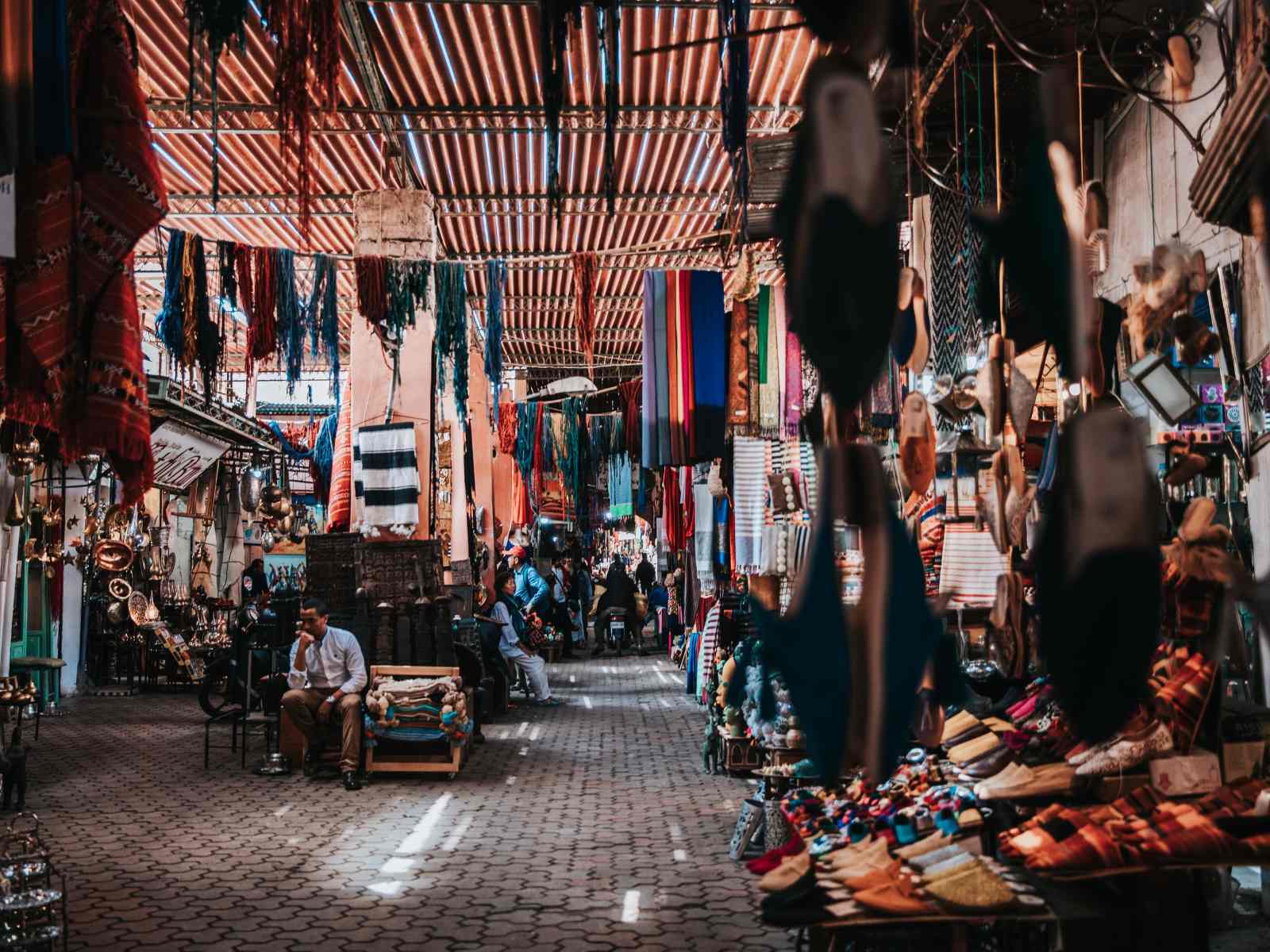
The souks around the medina are a network of shops, workshops and narrow streets. You may see textiles, ceramics, lamps, spices, leather goods and other crafts, along with shops serving local residents.
Give yourself time to walk without making shopping the only goal. If you find something you like, ask the price, decide what you are comfortable paying and agree on the amount before completing the purchase.
The medina is also a working neighborhood. Watch for motorcycles, bicycles, carts and deliveries in narrow passages. Ask before entering a workshop or photographing someone at work.
For orientation, save the location of Jemaa el-Fna and the nearest accessible gate or road to your accommodation. An offline map and your riad’s contact details can make the return easier.
See Koutoubia Mosque from Outside
Koutoubia Mosque is one of Marrakech’s most recognizable landmarks. Its minaret is visible from many parts of the city and makes a useful point of reference when walking near Jemaa el-Fna.
The mosque is a working religious site. Non-Muslim visitors cannot enter, but they can appreciate the exterior and surrounding area where access is permitted. Allow around 15 to 30 minutes for a short stop, or longer if you want to walk nearby.
Can You Explore Marrakech Without a Guide?
Yes. Many visitors explore Marrakech independently. Start with a few landmarks, keep your accommodation address available and allow more time than the map suggests.
A licensed guide can add historical context and help with orientation, especially on a first visit. You might choose a guided medina walk for part of one day and explore independently afterward.
If you want to compare guided experiences, see our guide to the best tours in Marrakech.
Visit Marrakech’s Palaces and Historic Monuments
Bahia Palace
Bahia Palace is a good choice if you enjoy architecture and decorative details. Its courtyards, gardens and rooms feature carved wood, painted ceilings, stucco and tilework.
The palace is in the southern medina and can be combined with a walk toward the Mellah or El Badi Palace. Allow around 60 to 90 minutes, depending on your interest and the areas open during your visit.
The Moroccan Ministry of Culture’s ticket page listed 100 MAD for a foreign adult and 30 MAD for a Moroccan or resident adult, with visiting hours of 9:00 a.m. to 5:00 p.m., when checked on November 14, 2026. Confirm current prices, opening hours and any room closures before your visit.
El Badi Palace
El Badi Palace offers a different experience from Bahia. Its large open spaces and remains give visitors a sense of the scale of the historic palace complex.
Allow around 45 to 75 minutes, plus time for any queue. Much of the visit is outdoors, so bring water and consider the temperature when choosing a time. Access to particular areas or viewpoints can change; check locally rather than assuming every part is open.
The ministry’s ticket page listed 100 MAD for a foreign adult, 30 MAD for a Moroccan or resident adult, and visiting hours of 9:00 a.m. to 5:00 p.m. when checked.
Saadian Tombs
The Saadian Tombs are a compact historic site in the Kasbah area. Visitors come to see the tomb complex and its architectural decoration, making it a useful choice for travelers interested in Marrakech’s history.
The visit itself may take 30 to 60 minutes, but allow extra time if there is a queue. Check the current layout and access arrangements if steps or narrow spaces are a concern.
When checked on November 14, 2026, the ministry listed 100 MAD for a foreign adult, 30 MAD for a Moroccan or resident adult, and hours of 9:00 a.m. to 5:00 p.m.
Ben Youssef Madrasa
Ben Youssef Madrasa is one of the most memorable architectural visits in the northern medina. Its courtyard and surrounding spaces bring together carved cedarwood, stucco, calligraphy and geometric tilework.
Allow around 30 to 60 minutes. It combines well with nearby medina sights such as Maison de la Photographie or Le Jardin Secret, although you should allow time to navigate between them.
The madrasa’s official website listed regular opening hours of 9:00 a.m. to 7:00 p.m. daily, with different hours during Ramadan. It listed 50 MAD for a foreign adult, 20 MAD for a Moroccan adult, and 10 MAD for children under 12. When checked, its online ticketing page said that online sales were under maintenance and tickets were available at the entrance. Recheck before your trip.
Explore Marrakech’s Gardens and Museums
Jardin Majorelle
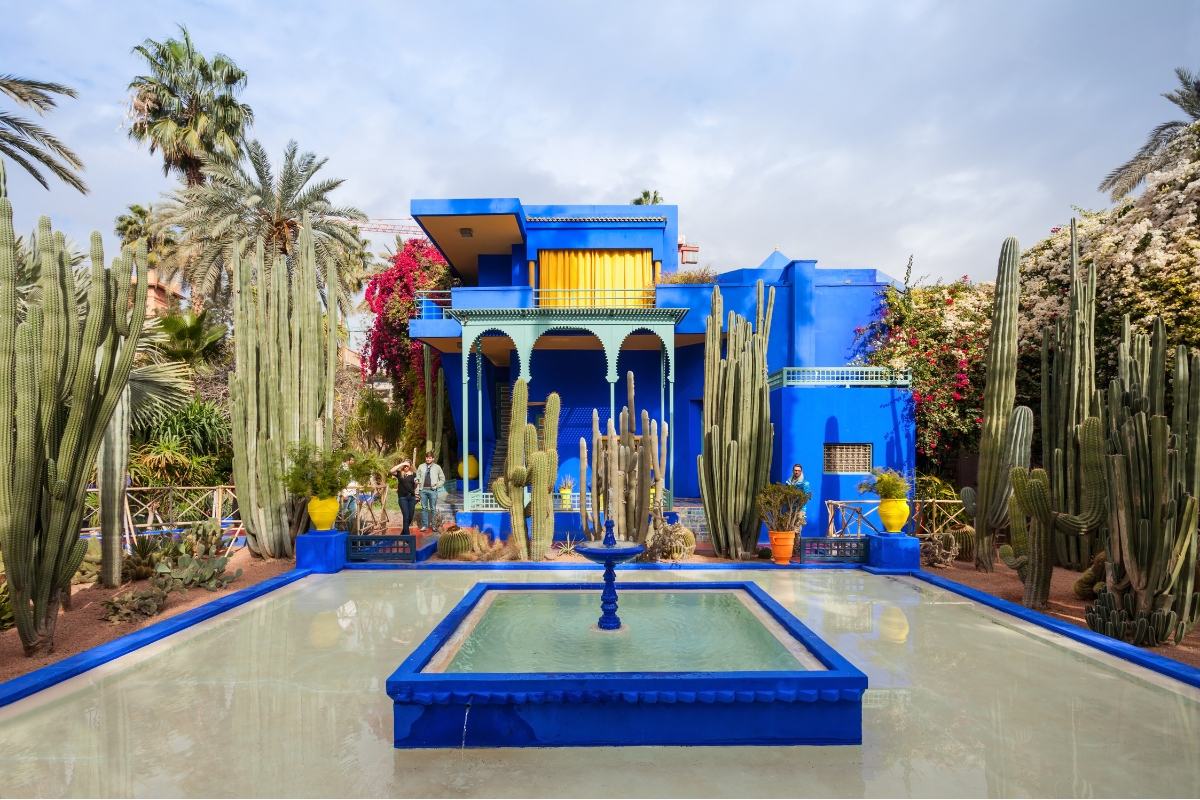
Jardin Majorelle is known for its botanical collection, colorful buildings and connection to painter Jacques Majorelle and designers Yves Saint Laurent and Pierre Bergé.
The garden is outside the central medina, so allow time for a taxi or other transport. A visit usually takes around 60 to 90 minutes, depending on your pace and whether you also visit a museum.
Book through the official Jardin Majorelle ticket website. The venue says tickets are purchased online, and the booking process asks visitors to select a date and time.
Choose your preferred slot rather than relying on an early arrival to secure admission. Early entry does not guarantee a quiet garden or allow you to enter without the appropriate ticket.
The venue’s official pages displayed different closing times when checked, so confirm the schedule for your date in the booking process. The garden says it is wheelchair accessible; visitors with specific requirements can contact the venue before booking.
Pierre Bergé Museum of Berber Arts
The Pierre Bergé Museum of Berber Arts presents collections connected to Amazigh arts and cultural traditions. It is located within the Jardin Majorelle site and is a good addition for visitors interested in textiles, jewelry and craftsmanship.
Allow around 30 to 60 minutes for the museum, in addition to your garden visit.
A garden-only ticket should not be assumed to include museum admission. The official ticket selector offers a Jardin Majorelle plus Pierre Bergé Museum option; check the sites included and the final price before paying.
Musée Yves Saint Laurent Marrakech
Near Jardin Majorelle, the Musée Yves Saint Laurent Marrakech focuses on the designer’s work and its relationship with Marrakech. It is a worthwhile choice for travelers interested in fashion, design and exhibitions.
Allow around 45 to 75 minutes, or longer if you want time at the bookshop or café. The museum’s official visitor information listed opening hours of 10:00 a.m. to 6:00 p.m., with last entry at 5:30 p.m., and closure on Wednesdays when checked.
The official ticket selector includes a separate YSL museum option and a combined option. Check the exact venues included in your selection; a standard garden ticket does not automatically cover every museum.
Le Jardin Secret
Le Jardin Secret is a historic garden in the Mouassine area of the medina. It is a useful stop when exploring the northern medina, particularly if you want a break between the souks and nearby monuments.
Allow around 45 to 90 minutes. The venue’s visitor information listed standard garden admission at 100 MAD and the tower at an additional 40 MAD when checked. Children under six are not admitted to the tower.
Tickets are available at the entrance or through the garden’s official online shop, according to its current FAQ and shop. Opening hours change by season, so check the date of your visit.
The garden says it is accessible to people with reduced mobility except for the tower and one of its cafés. Confirm individual needs directly, especially because the surrounding medina route may have its own access challenges.
Maison de la Photographie
Maison de la Photographie is a good choice if you want to spend time with images and exhibitions rather than visit another palace. Its collection includes historic photographs and other visual records connected to Morocco.
The museum is in the northern medina and can be combined with Ben Youssef Madrasa. Allow around 45 to 75 minutes.
The museum’s website listed opening hours of 9:30 a.m. to 7:00 p.m. daily, with adult admission of 80 MAD when checked. It says tickets are paid for on site, by cash or card, and also provide access to the Marrakech Music Museum. Confirm current details before visiting.
Dar El Bacha Museum
The Musée des Confluences Dar El Bacha is housed in a historic palace in the northern medina. Its architecture and collections make it a useful stop for travelers interested in Moroccan decorative arts.
Allow around 60 to 90 minutes for the museum, excluding any café wait. The National Museums Foundation listed it as open Tuesday to Sunday, 10:00 a.m. to 6:00 p.m., closed Monday, with admission of 60 MAD for foreign visitors and 25 MAD for Moroccan visitors when checked.
Dar El Bacha is also associated with Bacha Coffee. Museum admission and a café visit are separate planning questions. The café’s operator says its Marrakech coffee room accepts walk-in guests and does not take reservations. Allow for a possible wait and confirm the current access arrangements.
Menara Gardens and Pavilion
Menara Gardens offer a different setting from the medina, with olive groves, a large basin and a pavilion. The site is west of central Marrakech, so it is best planned with transport time rather than squeezed between nearby medina stops.
Allow around 45 to 75 minutes, plus the journey. Visibility, weather and the time available will shape the experience.
Check the garden and pavilion separately. The Ministry of Culture lists a ticket for the Menara Pavilion, including 60 MAD for a foreign adult and 30 MAD for a Moroccan or resident adult when checked. That pavilion ticket does not establish that every part of the gardens has the same admission or access conditions.
Discover the Mellah and Gueliz
Walk Through the Mellah
The Mellah is Marrakech’s historic Jewish quarter, in the southern part of the medina. It works well as part of a route that also includes Bahia Palace or El Badi Palace.
Allow time to walk through the neighborhood at a comfortable pace. If you want to enter a synagogue or another heritage site, confirm its current opening, admission and photography rules separately. Public streets and individual religious or cultural sites do not necessarily follow the same access arrangements.
Explore Gueliz
Gueliz offers a different view of Marrakech from the medina. This modern district has wider streets, shops, cafés, galleries and places to eat.
It can be a practical addition to a Jardin Majorelle day. Choose a few stops that interest you rather than treating the district as a single attraction, and check the hours of any gallery or restaurant you want to visit.
Try Marrakech’s Food, Hammams and Hands-On Experiences
Taste Local Food
Food can be part of your sightseeing day, whether you stop for a simple lunch, enjoy a longer dinner or join an organized experience.
Look for Moroccan dishes such as tagines, couscous and pastries. Marrakech is also associated with tanjia, a slow-cooked dish that appears on some local menus. Ask about ingredients and preparation if you have dietary requirements.
A food experience can mean several different things:
- A market walk may focus on ingredients and shopping.
- A tasting tour includes food stops, but portions may be snacks rather than a full meal.
- A cooking class focuses on preparation and may or may not include a market visit.
For more ideas, read our guide to traditional Moroccan food.
Choose a Hammam Experience

A hammam can be a welcome break after a day of walking, but a neighborhood public hammam and a hotel spa are not identical experiences.
A public hammam may have separate opening arrangements for men and women and may require you to bring or purchase certain supplies. A spa treatment is more likely to be arranged as a booked service, but privacy, treatments and inclusions vary.
Before visiting, ask:
- Whether you need to book.
- What clothing, towel or toiletries to bring.
- Whether a scrub or attendant is included.
- Whether the session is private or shared.
- The total price and payment method.
Join a Cooking Class or Artisan Workshop
A hands-on activity offers more time with a host or craft than a brief stop during sightseeing. Depending on the experience, you might prepare a meal, work with clay or learn about another local craft.
Check the activity description carefully. A demonstration, a shopping stop and a hands-on workshop are different services.
Confirm the location, duration, language, materials or ingredients, group size and transport before booking. Our Marrakech tours guide can help you compare organized experiences.
How to Spend One, Two or Three Days in Marrakech
One Full Day in Marrakech
With one full day, focus on the medina and choose a few stops that matter most to you. The route below starts at Jemaa el-Fna and avoids trying to fit every major attraction into one day.
Morning: Koutoubia and a palace
Begin near Jemaa el-Fna and see Koutoubia Mosque from outside. Continue toward either Bahia Palace or El Badi Palace.
Allow around two to three hours, including walking, entry and time at your chosen site. If you visit during hot weather, bring water and leave extra time for rest.
Lunch
Take a proper break in or near the medina. Allow around one to one and a half hours rather than planning only a quick stop.
Afternoon: Northern medina
Choose Ben Youssef Madrasa or Le Jardin Secret, then spend time in nearby souks. Allow around two to three hours, including navigation.
If you prefer a shorter walking day, use a taxi between accessible roads and reduce the number of stops.
Evening
If the atmosphere appeals to you, return to Jemaa el-Fna for a walk or dinner. Otherwise, choose a restaurant near your accommodation and rest.
If Jardin Majorelle is your highest priority, book its timed entry and replace one of the medina interiors with the garden. Allow transport time.
Two Days in Marrakech
Day 1: Medina and southern sights
Start at Jemaa el-Fna and Koutoubia, then visit Bahia Palace or El Badi Palace. Add a walk through the Mellah if it fits your interests and schedule. After lunch, explore a section of the souks or choose one additional attraction.
Day 2: Jardin Majorelle, museums and Gueliz
Book your Majorelle entry time first, then plan the rest of the day around it. Add the Pierre Bergé Museum of Berber Arts, the Yves Saint Laurent Museum or both if your ticket, the opening days and your schedule allow.
After lunch, spend time in Gueliz or choose another nearby activity. Remember that the YSL museum is normally closed on Wednesday according to its checked visitor information.
Three Days in Marrakech
Day 1: Southern medina
Visit Jemaa el-Fna and Koutoubia, then choose Bahia Palace, El Badi Palace or the Saadian Tombs. Add the Mellah if you have enough time.
Day 2: Majorelle and Gueliz
Use a prebooked Majorelle slot and choose the museum or museums that interest you. Leave time for lunch and transport, then explore Gueliz.
Day 3: Northern medina
Start with Ben Youssef Madrasa and choose one or two nearby stops, such as Maison de la Photographie, Le Jardin Secret or Dar El Bacha. Add a workshop or hammam only if your schedule leaves enough time.
If you prefer a day trip to Agafay, the Atlas Mountains, Essaouira or Ouzoud, treat it as an alternative to one of your city days. Compare the choices in our guide to the best day trips from Marrakech.
What If You Arrive Partway Through the Day?
A partial arrival day is best kept flexible. Depending on your arrival time and where you are staying, you might visit Jemaa el-Fna, enjoy a meal or take a short walk near your accommodation.
Avoid booking several timed attractions before you know how much of the day you will have after airport formalities, transport and check-in.
Practical Tips for Visiting Marrakech
Free Things to Do in Marrakech
You can enjoy several parts of Marrakech without paying an attraction admission fee:
- Walk through the public medina streets and souks.
- Visit Jemaa el-Fna without purchasing a service.
- See Koutoubia Mosque from outside.
- Explore public streets in the Mellah or Gueliz.
- Walk between historic gates and neighborhood landmarks.
Budget separately for meals, transport, purchases and any paid attraction. Check current conditions before assuming that a particular garden, viewpoint or rooftop is free.
Things to Do in Marrakech with Kids
For families, a shorter sightseeing route with regular breaks may work better than visiting several monuments in succession. A garden, a manageable medina walk or a suitable cooking or craft activity can add variety.
Check the walking distance, steps, shade, supervision and age rules for the specific activity. If visiting in hot weather, build in time indoors and avoid packing the middle of the day with exposed outdoor stops.
Things to Do in Marrakech for Couples
Couples can choose according to their interests: a palace visit, a garden, a cooking class, a hammam or dinner with a city view.
For a rooftop café or restaurant, check whether a purchase is required and whether reservations are accepted. If you book a private experience, confirm what is included and whether the price is per person or per group.
Things to Do in Marrakech at Night
Jemaa el-Fna is one option for an evening walk, food or performances. You can also enjoy dinner, attend a planned cultural event or spend the evening at your riad.
Choose a route and return plan that fit your comfort and location. Ask your accommodation for directions or help arranging transport if needed.
Visiting Marrakech in Summer or Rain
In hot weather, schedule exposed outdoor sightseeing for a time that suits you, carry water and plan a longer lunch or indoor break. Museums, a cooking class or a hammam can add variety, but check opening arrangements and whether a venue requires advance booking.
On a rainy day, choose an open museum, madrasa or workshop and allow for transport between stops. An indoor attraction may still involve outdoor walking or stairs.
For broader seasonal planning, see our guide to the best time to visit Morocco.
What to Wear and How to Get Around
Comfortable footwear is useful for medina walking, where surfaces can be uneven and routes may involve steps. Clothing should suit the weather, your comfort and any rules at the specific venue you are visiting.
For practical packing ideas, see what to wear in Morocco.
When moving between the medina, Majorelle, Gueliz and Menara, allow time for traffic and finding an accessible meeting point. Your accommodation can help identify a suitable road or gate if vehicles cannot reach its entrance.
Day Trips from Marrakech
Marrakech can be a base for visiting the Atlas Mountains, Agafay, Essaouira or Ouzoud. These experiences add landscapes and places beyond the city, but each takes time away from Marrakech’s attractions.
Agafay is a rocky desert landscape, not an area of Sahara sand dunes. Compare journey times, destinations and transport options in our guide to the best day trips from Marrakech.
Frequently Asked Questions About Visiting Marrakech
What are the best things to do in Marrakech for a first visit?
Start with Jemaa el-Fna, the medina and Koutoubia Mosque’s exterior. Add a palace or madrasa according to your interests. If you have another day, consider Jardin Majorelle and a museum.
How many days do you need in Marrakech?
One full day introduces selected medina highlights. Two days allow time for the Majorelle area and a more comfortable pace. Three days give you more choice for museums, workshops, a hammam or additional neighborhoods.
Do you need to book Jardin Majorelle in advance?
The venue says tickets are purchased online, and visitors select a date and time. Book through the official ticket website and check availability for your preferred date. Arriving early does not replace a ticket or guarantee admission.
Does a Jardin Majorelle ticket include the YSL and Berber Arts museums?
Not necessarily. The official ticket selector offers different options, including garden-only, garden plus the Pierre Bergé Museum of Berber Arts, a YSL museum option and a combined ticket. Check exactly which sites your chosen ticket covers before paying.
Can non-Muslims enter Koutoubia Mosque?
Non-Muslims cannot enter Koutoubia Mosque. Visitors can appreciate the exterior and surrounding public areas where access is permitted.
Can you explore Marrakech without a guide?
Yes. You can visit the medina and other areas independently. Save your accommodation details, use landmarks and an offline map, and allow time for navigation. A licensed guide is an option if you want more context or help finding your way.
What are the best free things to do in Marrakech?
You can walk through the public medina streets, visit Jemaa el-Fna, see Koutoubia Mosque from outside and explore public streets in the Mellah or Gueliz. Food, transport, performances and attraction interiors may cost extra.
What can you do in Marrakech when it is very hot or raining?
Choose an open museum, a cooking class, a hammam or a longer meal break, and reduce the number of exposed outdoor stops. Check opening hours and booking requirements, and allow for transport between venues.
Plan Your Marrakech Visit
Marrakech is easiest to enjoy when you choose attractions by area and leave room for meals, rest and unexpected discoveries. Start with the medina, select the monuments that interest you most, and reserve timed tickets for places such as Jardin Majorelle.
For broader planning, explore our Marrakech travel guide, compare tours in Marrakech, or consider the best day trips from Marrakech.
Plan Your Marrakech Visit
Planning your visit to Marrakech? These guides help you organize your trip: