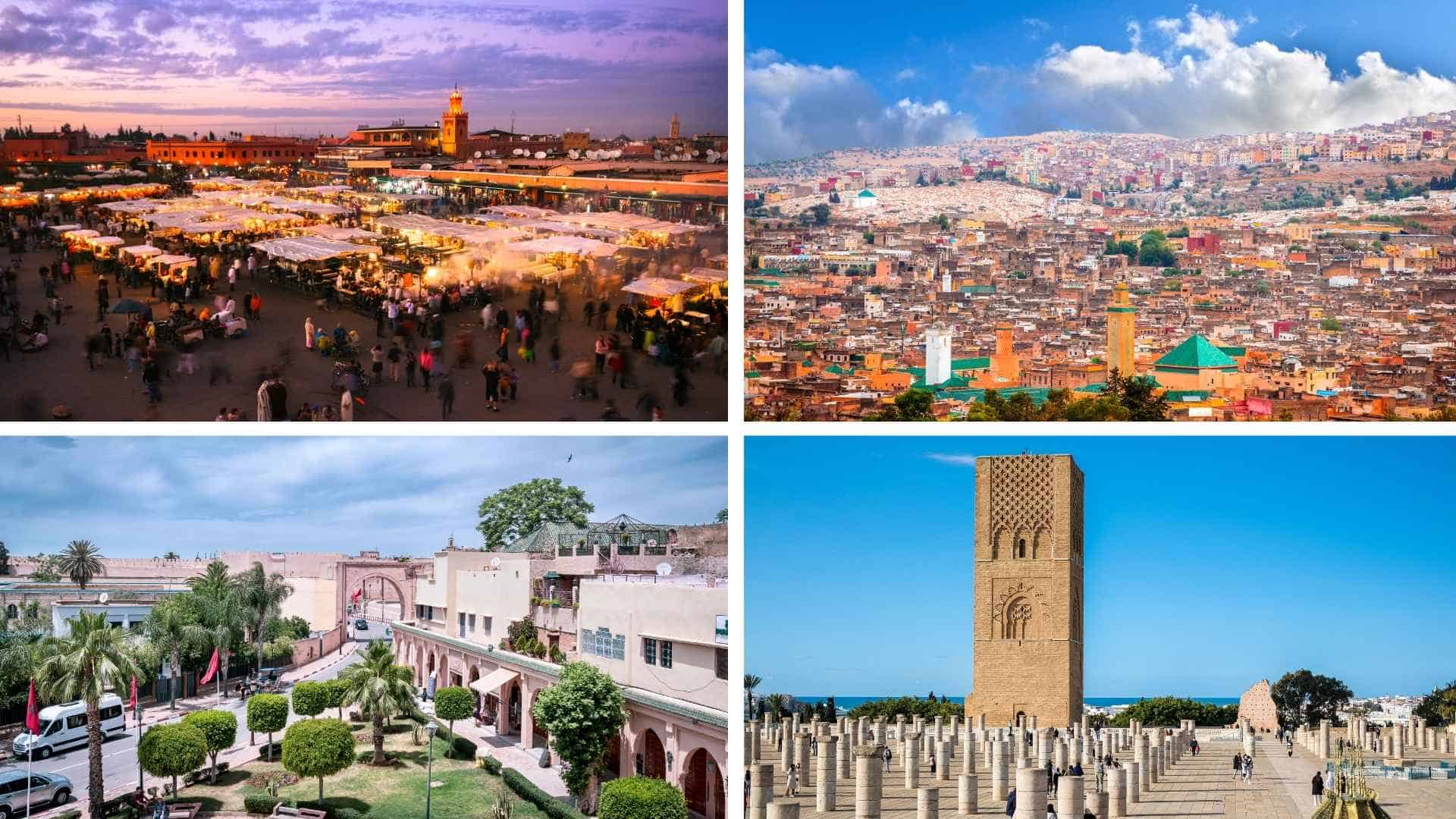
Morocco’s four imperial cities are Marrakech, Fes, Meknes and Rabat. Each served as a seat of political power at a different point in the country’s history. In Marrakech, palaces and tombs trace successive dynasties. The madrasas of Fes tell the story of a capital shaped by learning as well as government. Meknes still bears the scale of Sultan Moulay Ismail’s building program, while in Rabat, medieval walls and gates stand alongside the institutions of Morocco’s present-day capital.
For a week, choose two overnight bases. With ten days and flights that fit, you can see all four from three bases by visiting Meknes from Fes. Two weeks gives you room for an overnight stay in Meknes and a separate visit to Volubilis.
What Are the Four Imperial Cities of Morocco?
Start with the kind of history you want to see. The suggested stays below are time for sightseeing in each city. Allow additional time for transfers, flights and substantial excursions.
| City | Historical focus | Where to see it | Suggested city time |
|---|---|---|---|
| Marrakech | Almoravid beginnings, Almohad monuments and Saadian architecture | Koutoubia exterior, Kasbah, Saadian Tombs and El Badi Palace | 2–3 days |
| Fes | Marinid capital and center of learning and craft | Fes el-Bali, Bou Inania Madrasa and the Nejjarine area | 2–3 days |
| Meknes | Imperial capital under Sultan Moulay Ismail | Bab Mansour façade, Place El Hedim, Dar Jamaï and the imperial quarter | ½–1 day |
| Rabat | Almohad heritage and the modern capital | Hassan Tower, Kasbah of the Udayas, Chellah and the modern city | 1–2 days |
Why the Imperial Cities Mattered
Fes traces its roots to the ninth century. The Almoravids founded Marrakech in the 11th century, and the Almohads later made it their capital. Their building projects also reached Rabat, where work on the mosque that includes Hassan Tower began in 1184. In the 13th and 14th centuries, Fes became the Marinid capital. Marrakech was again a seat of power under the Saadians, whose tombs and El Badi Palace survive in the city. UNESCO records for Marrakech · Fes · Rabat
Under the Alaouite sultan Moulay Ismail, who ruled from 1672 to 1727, Meknes became a capital with fortified walls, monumental gates and extensive royal complexes. The political capital moved from Fes to Rabat in 1912, at the beginning of the French Protectorate. A walk in Rabat can take you from the Almohad-era Hassan Tower to streets laid out for the 20th-century capital. UNESCO Historic City of Meknes · UNESCO Rabat listing
UNESCO lists a defined property in each city. The inscriptions cover the Medina of Marrakesh, the Medina of Fez, the Historic City of Meknes, and Rabat, Modern Capital and Historic City: a Shared Heritage. In Fes and Marrakech, the listed medinas are a useful starting point for a heritage visit. In Rabat, the listing also takes in parts of the modern city.
What to See in Each Imperial City
Marrakech for Palaces and Dynastic Architecture
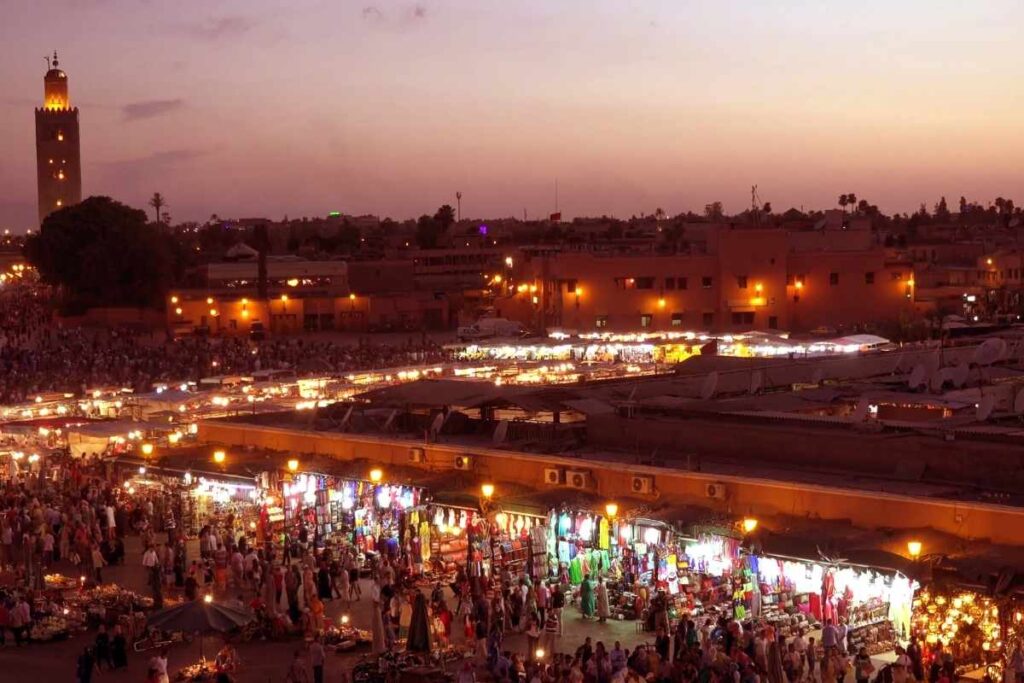
Start near Jemaa el-Fna and see the Koutoubia from outside. Then make time for the Kasbah, the Saadian Tombs and El Badi Palace. The minaret, tombs and palace ruins give you three different ways to see how successive rulers left their mark on Marrakech. Group the southern medina sights together so you can explore the souks or visit a garden on a second day.
Summer heat makes it practical to put exposed sites early in the day. If you’re staying inside the medina, ask your riad where a taxi can drop you off. That short walk matters when you’re arriving with luggage. Find the rest of your stay in the Marrakech travel guide.
Fes for Medina History and Learning
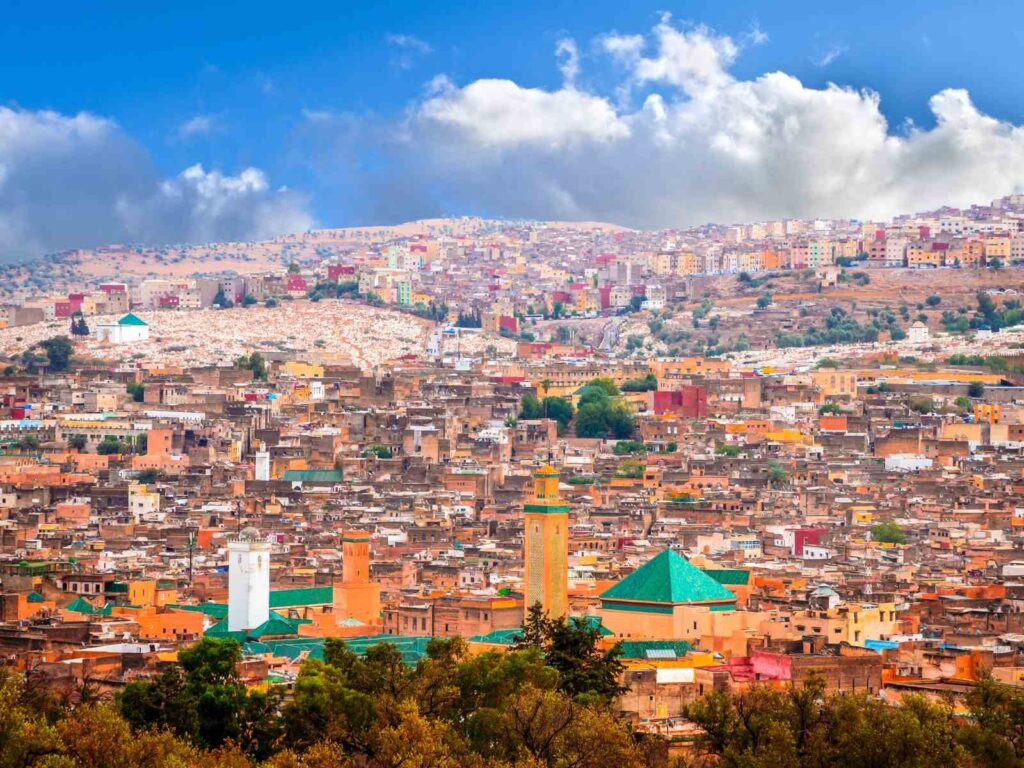
Begin at Bab Boujloud, then spend time around Bou Inania Madrasa, the Nejjarine area and the lanes of Fes el-Bali. The madrasas, fountains and former merchant inns show how learning, trade and daily life shared the same streets. Al Quaraouiyine belongs in that story as a historic center of learning and an active religious site. Non-Muslim travelers can plan to see it from the surrounding lanes and check local guidance about permitted views. UNESCO Medina of Fez · Al Quaraouiyine visitor context
Allow a second day if you want to include Fes el-Jdid or explore the medina at an easier pace. Some streets are steep, uneven or closed to vehicles, so choose a manageable walking route and ask your accommodation about gate access. See the Fes travel guide for planning your stay.
Meknes for Moulay Ismail’s Imperial Quarter
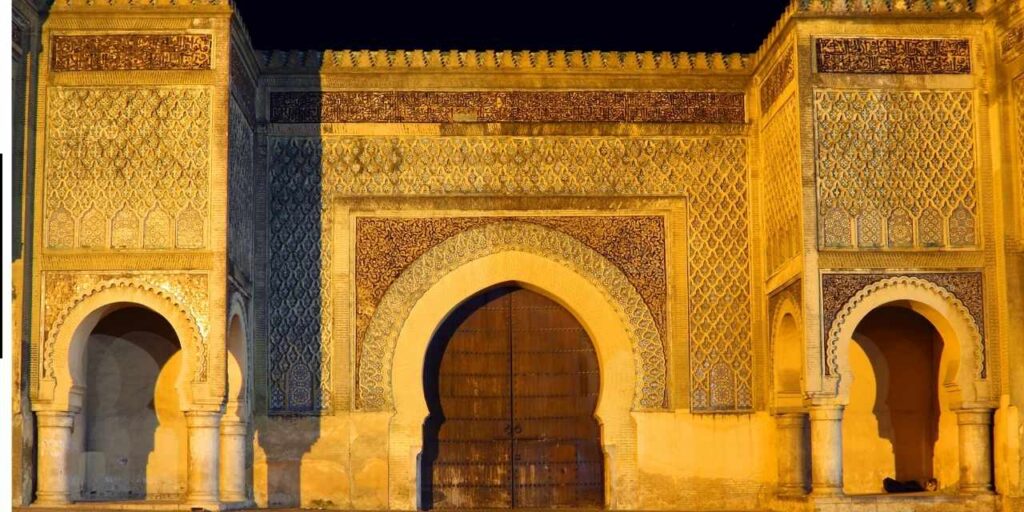
Begin at Place El Hedim, where you can see the Bab Mansour façade from the square. Dar Jamaï, now the National Museum of Music, makes a practical second stop nearby. If you have more time, head toward the Moulay Ismail quarter and check which areas of the mausoleum are open to visitors on your date. Confirm access before planning around the interiors at Heri es-Souani and Dar al-Ma, since restoration can affect what you can see. Dar Jamaï museum · Meknes attractions and itineraries
Meknes works as a half-day or full-day visit from Fes. Add at least half a day if you want to visit Volubilis at a comfortable pace. The archaeological site has its own UNESCO inscription, and getting there and back requires a road leg. An overnight in Meknes makes it easier to give the city and the ruins separate visits. UNESCO Archaeological Site of Volubilis
Rabat for Almohad Heritage and the Modern Capital
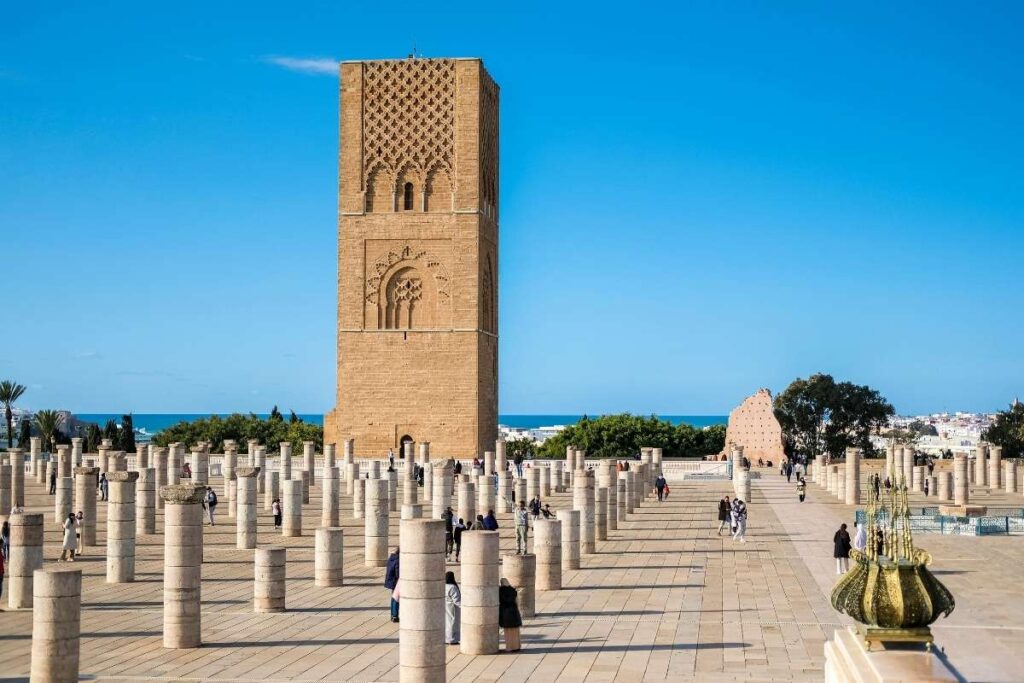
See Hassan Tower and the Mohammed V Mausoleum together. The tower belongs to the unfinished Almohad mosque. The mausoleum beside it was built in the 20th century. Then head to the Kasbah of the Udayas and the Bouregreg waterfront. On a second day, add Chellah for its Roman remains and Marinid necropolis, then walk part of the modern city. Visit Rabat’s Chellah guide · Rabat travel guide
How to Visit the Imperial Cities in 7, 10 or 14 Days
If flights fit, travel Marrakech → Rabat → Meknes and Fes, or reverse the order. That sequence groups nearby places and avoids crossing the same stretch twice. Check flights at both ends before booking hotels. The examples below count arrival, departure and hotel moves as travel days, even though some may leave time for an evening walk. Moroccan National Tourism Office imperial cities route
Seven Days with Two Bases
Spend three nights in Marrakech and three in Rabat. Arrive in Marrakech and depart via Rabat, or use Casablanca’s Mohammed V Airport if the connection and flight time give you enough buffer. You have one intercity move and roughly four full sightseeing days. If your departure is early, plan the final night around your airport.
For a northern week, use two nights in Rabat and four in Fes, including a day trip to Meknes. Start around Rabat or Casablanca and leave from Fes if a suitable flight is available. Dedicate one Fes-based day to Meknes and keep the other days for the medina and Rabat.
Ten Days Across All Four Imperial Cities
Arrive in Marrakech for three nights, take the train to Rabat for two nights, and finish with four nights in Fes. Visit Meknes by train from Fes and return to the same hotel. That gives you two hotel changes and about six full days outside flight and hotel-transfer days. Use one in Meknes and the others in your overnight bases. If your flight leaves from Casablanca, allow for the extra journey and move your last overnight if necessary. Meknes by train from Fes
Two Weeks with an Overnight in Meknes
Spend four nights in Marrakech, three in Rabat, two in Meknes and four in Fes. Begin in Marrakech and finish in Fes, or reverse the route to fit your flights. With three hotel changes, this plan leaves about nine full days outside travel between bases and flights. Use the arrival afternoon for Place El Hedim and nearby sights. On your full Meknes day, set aside roughly half the day for Volubilis and leave the rest for the imperial quarter or a museum. If you want a longer Fes stay, you can keep Meknes as a day trip and skip one hotel move.
Traveling Between the Imperial Cities by Train or Road
By Train
Conventional ONCF services connect the four imperial cities. Allow roughly four hours aboard between Marrakech and Rabat, three to four hours between Rabat and Fes, and 35–60 minutes between Fes and Meknes. These are planning ranges. Add time to reach the station and your accommodation. Check Rabat Agdal versus Rabat Ville, and Meknès versus Meknès Al Amir. Confirm the timetable and service changes for your date. ONCF journey planner · Marrakech–Rabat timetable example · Rabat–Fes timetable examples · Fes day-trip transport guide
By Car or Private Driver
A car or driver makes sense when you want to combine Meknes with Volubilis, stop between bases, or coordinate door-to-door transfers for a group. Allow about 30–45 minutes each way from central Meknes and 90–120 minutes at the ruins as a planning estimate. Confirm the waiting time, the return plan, and whether a site guide and admission are included. If you’re staying in a medina, ask for the closest vehicle-accessible meeting point. Meknes tour formats and inclusions
Frequently Asked Questions
What are the four imperial cities of Morocco?
They are Marrakech, Fes, Meknes and Rabat. Each was a seat of political power at a different time. Rabat is Morocco’s current capital.
Why are they called imperial cities?
The term refers to their role as historic capitals or seats of royal power. Successive rulers and dynasties left buildings and districts that show how government, religion, learning and trade shaped the cities.
Which imperial city should I visit first?
Start where your arrival and onward plans fit together. Begin in Marrakech if palace architecture and the southern end of the route matter most. Start in Fes for medina history and a short connection to Meknes, or in Rabat for a capital-city visit linked to the rail corridor.
Can I visit all four imperial cities in one week?
It’s possible as a brief visit if flights fit either end, but it takes at least two intercity moves and a Meknes outing. Expect shorter visits and check opening days before committing. For a week that includes arrival and departure, two overnight bases give you more time to explore.
Can I travel between the four imperial cities by train?
Yes. Use conventional services and confirm the exact trains and stations for your date. Volubilis requires a separate road transfer with a planned return.
Should I visit Meknes from Fes or stay overnight?
Take the train from Fes if you want to walk around El Hedim, see Bab Mansour and add one or two nearby sites. Stay in Meknes if you also want time for Volubilis or have several open monuments you want to visit.
Are all four imperial cities UNESCO World Heritage Sites?
Each city contains a designated World Heritage property. UNESCO lists the two medinas, the Historic City of Meknes, and defined historic and modern areas of Rabat. Volubilis has its own inscription and takes a separate outing from Meknes.
If you want to add a coastal or mountain stop, use the Morocco city guides to compare connections and decide which destination fits your route.