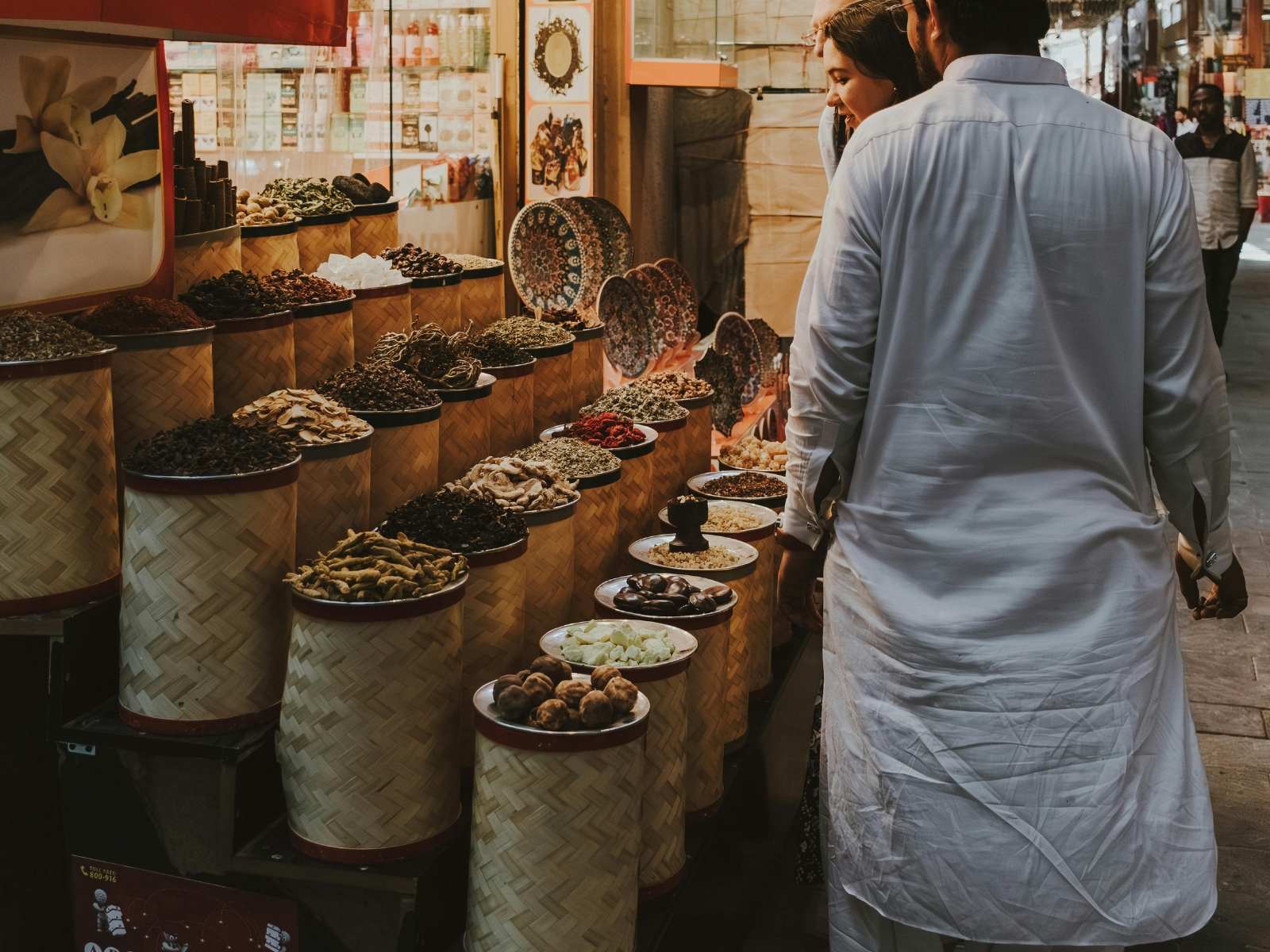
Moroccan culture takes shape in the languages people speak, the meals they share, the work of musicians and craftspeople, and the ways families and communities gather. Amazigh, Arab-Islamic, Jewish, African, Andalusian and Mediterranean histories all contribute to it. Those connections remain visible in everyday life, alongside changing habits and individual choices.
For a first visit, some cultural context makes conversations and experiences more rewarding. Practical etiquette helps too, especially when you are invited into a home, photographing someone or visiting a religious site. Customs vary between households and situations, so leave room to ask rather than assume.
Before you go, keep these habits in mind:
- Begin with a greeting before asking a question or discussing a purchase.
- Ask before photographing people or entering private spaces.
- Agree the price before accepting a service or demonstration.
- Check each religious site’s visitor policy.
- Accept or decline tea, food and invitations according to your comfort and needs.
What shapes Moroccan culture
Amazigh heritage and overlapping identities
Amazigh heritage is part of Morocco’s present as well as its history, including its languages, education and contemporary arts. You may encounter the term Berber in older sources and travel descriptions. Amazigh is the term used here, with Imazighen as the plural for people. Names and identities vary, as INALCO’s terminology guide explains.
Language, ancestry and personal identity can overlap. Avoid assuming that someone must identify exclusively as Arab or Amazigh, or that clothing and where they live tell you their background.
Histories that meet in Morocco
The Moroccan constitution recognizes Arab-Islamic, Amazigh and Saharo-Hassanic components of national identity, with African, Andalusian, Hebraic and Mediterranean influences. Jewish history is part of that wider story. The Moroccan Jewish Culture Museum in Fes, for example, explores social, artistic, economic and religious life and connections between communities.
Architecture offers another way into these histories. UNESCO’s account of Rabat describes older Islamic and Andalusian layers alongside development under the French Protectorate. Colonial history involved power and political change, not simply an imported architectural style. For a broader historical route, explore Morocco’s imperial cities.
Contemporary life across regions and generations
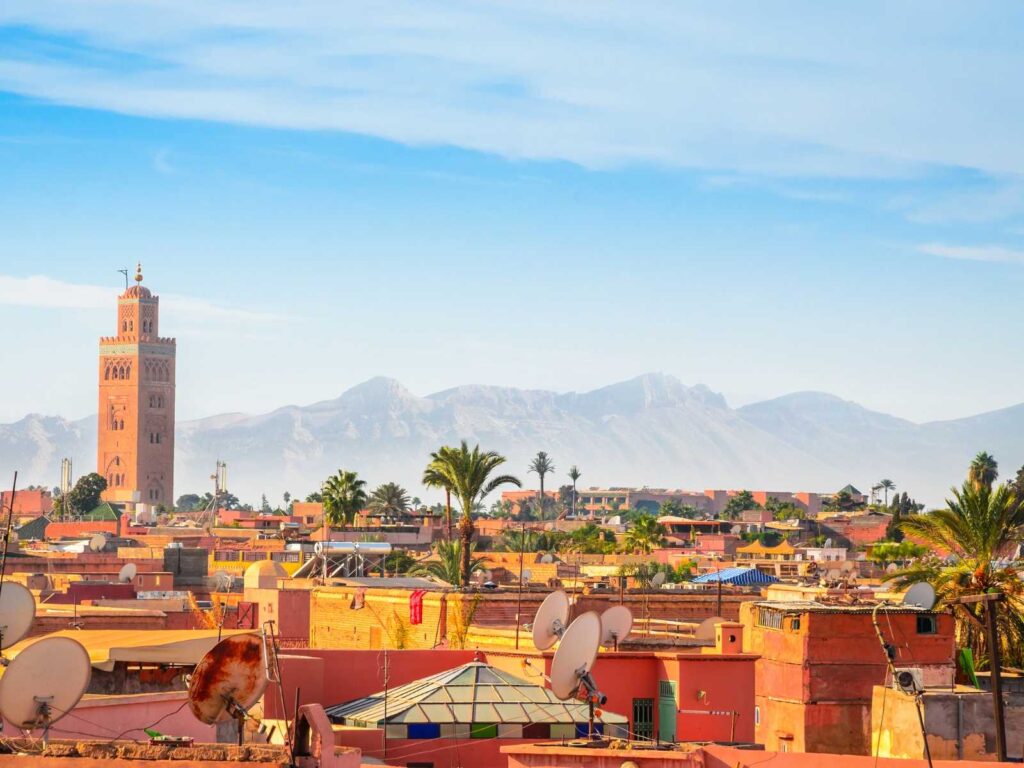
Family relationships matter in many people’s lives, but households differ. Morocco’s national family survey findings describe changing household structures alongside continued family solidarity.
Work, study and commuting shape daily schedules alongside family and social life. Confirm appointments and invitations directly rather than treating a relaxed attitude to time as a national custom.
Languages you may hear in Morocco
Arabic and Amazigh are Morocco’s official languages. Everyday conversation also involves Darija, Moroccan Arabic, and different Amazigh varieties. Official status, the language spoken at home and the ability to read or write a language are different things; HCP’s census definitions distinguish these measures.
You may also hear French, Spanish and English, with their usefulness varying by place, generation and individual. Do not assume that everyone speaks the same second language.
Ask your host or guide which greetings are useful locally and listen to their pronunciation. A greeting and a thank-you are a good start. For directions, keeping a place name and address written down can help. Slow down and rephrase when needed, without treating difficulty communicating as impatience or unfriendliness.
Hospitality and home visits
Accepting or declining an invitation
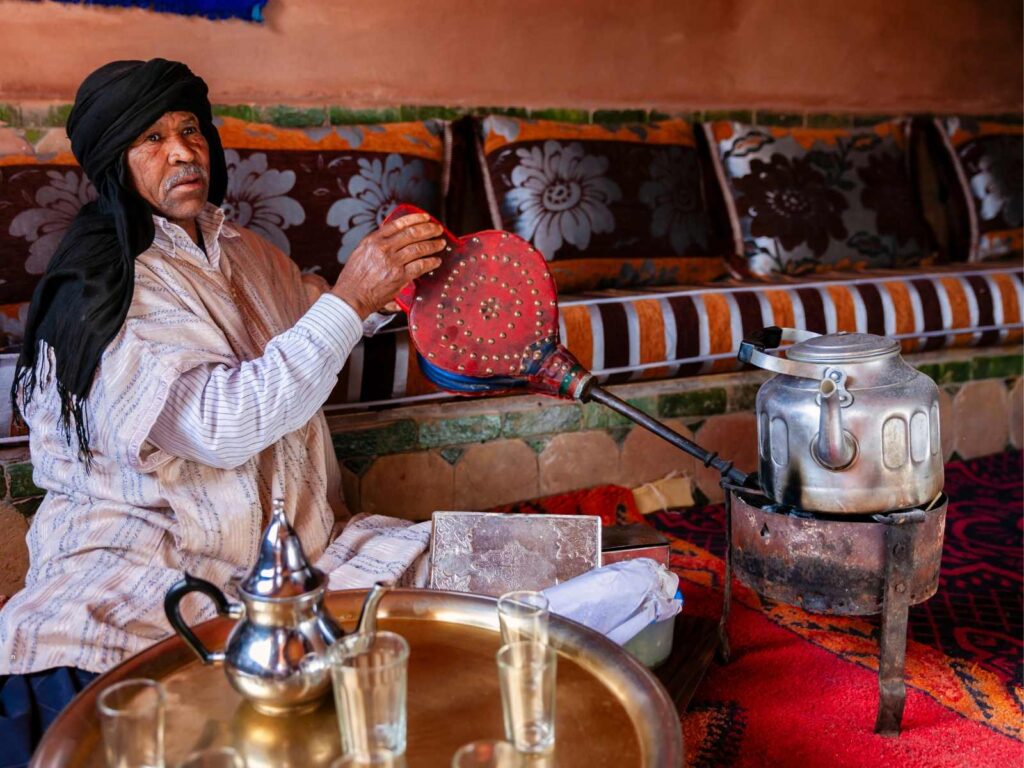
An offer of tea can arise during a home visit, a conversation in a shop or a café stop. The setting matters. If you are invited to someone’s home, confirm that the invitation is definite and agree a time. An offer of refreshments in a shop need not become a purchase.
Thank the person and accept if you would like to. If you prefer not to drink or eat, a polite refusal is enough. Ask about ingredients when you need to, and do not feel obliged to compromise dietary needs or personal comfort.
Household preferences and gifts
Ask whether to remove your shoes and whether there is anything you should bring. A modest food gift may suit some households, but check preferences and dietary restrictions first. Do not presume alcohol is welcome.
Peace Corps guidance for Morocco gives examples of household footwear and gifts in a host-family setting. Those examples are useful context, rather than rules for every home. Your host can tell you what works for their household.
Sharing a meal and discussing dietary needs
Some meals involve a communal dish and bread. Watch how your hosts serve the food, or ask how they would like you to join in. Where eating by hand is customary, right-hand use may be preferred. You can still ask for utensils or a separate serving if that is more comfortable or accessible for you.
Explain allergies and dietary requirements in advance, and check ingredients rather than relying on a dish’s name. You can also decline another serving. For help choosing meals and asking about ingredients, see what to eat in Morocco.
Everyday etiquette for visitors
Greetings and personal boundaries
Start with a verbal greeting before moving into a request or transaction. Physical greetings vary between people and relationships, as the Five College language resources describe. Follow the other person’s lead on a handshake or other contact, while keeping your own boundaries.
Clothing, age and gender do not tell you exactly how someone wants to be greeted. A friendly verbal greeting gives both people room to choose.
Photography and private spaces
Ask before taking someone’s portrait, and accept a refusal without bargaining over it. If you intend to publish or use the image commercially, explain that too. For children, seek a parent or guardian’s permission and respect the child’s wishes.
Check before entering a workshop, courtyard or doorway that appears private. Permission to visit does not automatically include permission to photograph. Venue rules and legal restrictions also apply. The UK’s Morocco travel guidance distinguishes asking people for photo permission from restrictions near sensitive political or military sites.
Shopping and accepting help
Some purchases in souks involve negotiation. Ask the price, establish whether it is negotiable and bargain courteously if you are interested. Fixed-price shops, tickets and agreed service charges do not call for the same approach.
If someone offers to guide you, demonstrate a craft or provide another service, clarify any charge before you agree. Help may be freely offered or part of someone’s work. You can decline either way. If someone pressures or intimidates you, you do not need to treat that behavior as a cultural obligation. See the Morocco safety guide for practical advice.
| Situation | What you may encounter | Practical response | What varies |
|---|---|---|---|
| Greeting someone | A conversation before business | Say hello and follow the person’s lead on contact | Relationship and personal preference |
| Taking a portrait | Someone who welcomes or refuses a photo | Ask first and respect the answer | Person, setting and intended use |
| Shopping | Negotiable or fixed prices | Ask whether bargaining is appropriate | Shop, product and type of purchase |
| Offered help | A favor or a paid service | Clarify the charge before accepting | The particular offer and provider |
Religious life and visiting religious sites
Religious life is an important part of Moroccan culture, but observance and personal belief vary. Treat a place of worship as someone’s religious space, including when it also welcomes visitors.
Checking visitor access
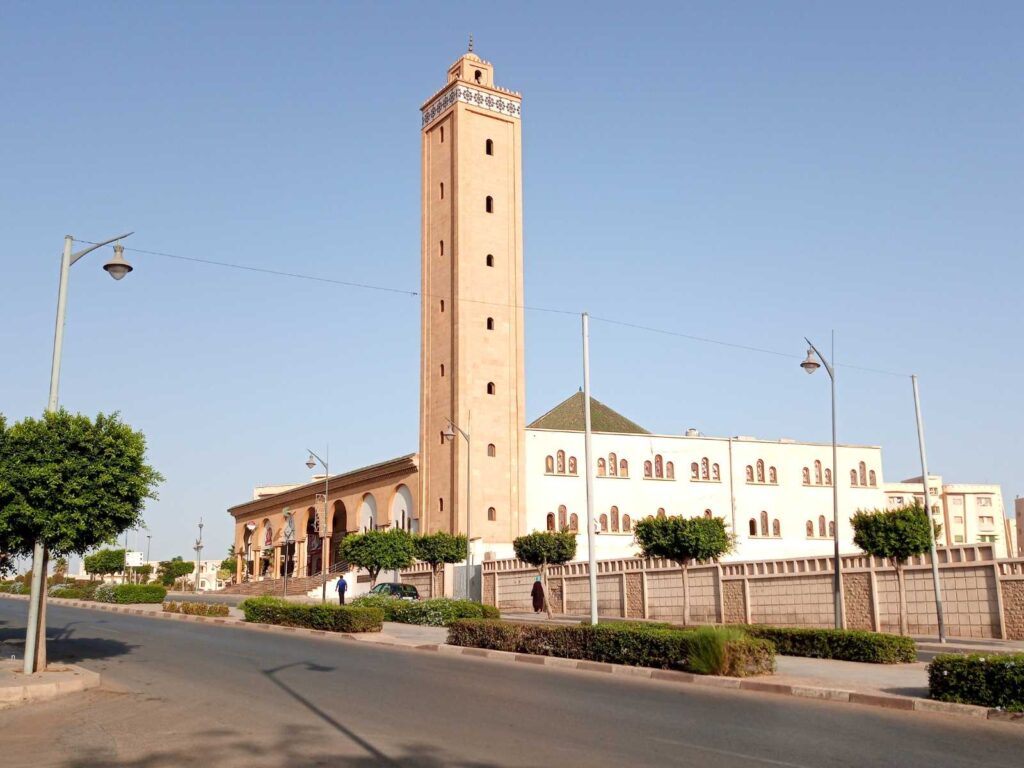
Do not assume you can enter a mosque because it is historic or appears in a guidebook. Check whether public visits are explicitly offered. An active mosque and a former religious building operating as a visitor attraction can have different policies.
In Casablanca, Hassan II Mosque offers guided visits. Its published rules specify covered shoulders and torso, clothing extending below the knees, and shoe removal. Check current schedules and conduct requirements before going. These are venue rules, not a countrywide dress code. Our Casablanca guide can help with the wider visit.
What may change during Ramadan
During Ramadan, check meal arrangements, opening hours and transport directly. Routines may change, but do not assume that every business closes or that every person is fasting.
Non-Muslim tourists are not required to fast. Australia’s Morocco travel advice nevertheless recommends avoiding eating, drinking or smoking in public or around people who are fasting. It explains that Muslims face legal restrictions on those activities in public during Ramadan unless an exemption applies, such as illness or travel. Check the current guidance before your trip.
Living traditions in Morocco
Food and shared occasions
Food can connect preparation, family knowledge and social occasions. Couscous provides one example: its UNESCO inscription recognizes knowledge and practices shared by Algeria, Mauritania, Morocco and Tunisia. It is a regional heritage rather than something exclusive to one country.
Recipes and occasions vary. Ask about the dish in front of you instead of expecting every household or restaurant to prepare it identically. Our guide to traditional Moroccan dishes and ingredients introduces foods you may encounter.
Clothing and the skills behind it
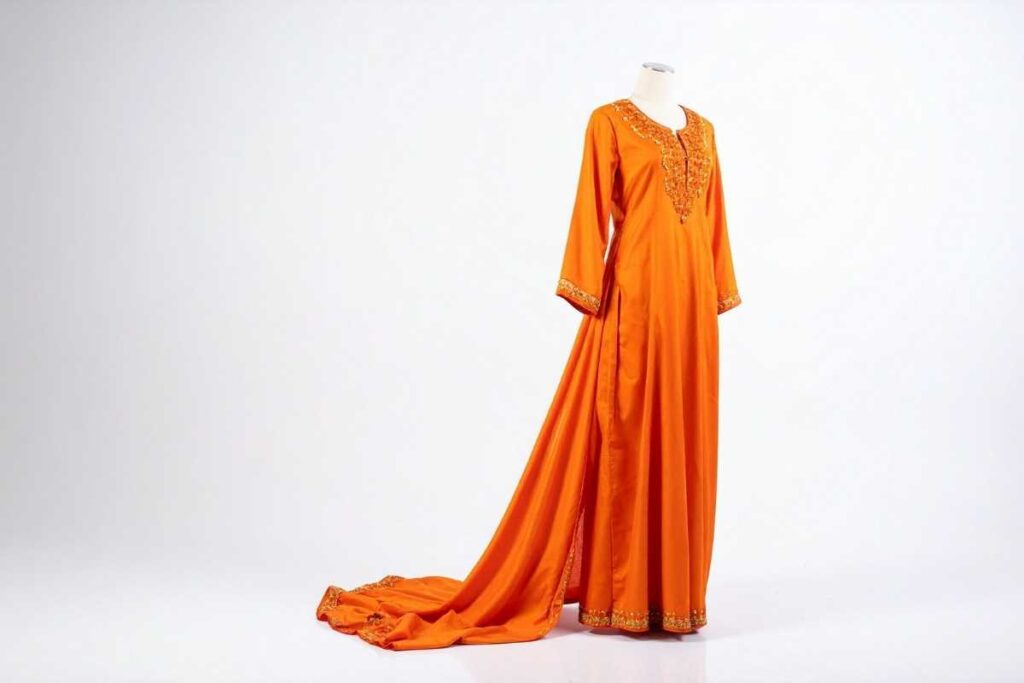
The caftan is a long tunic worn for celebrations, including weddings, with styles and fabrics that vary. Making one can involve weavers, tailors and artisans specializing in embroidery and decorative details. In 2025, UNESCO inscribed the Moroccan caftan’s art, traditions and skills, recognizing the knowledge passed through families, workshops and formal training.
Ask a seller or maker about the material, construction and provenance. Everyday clothing varies too. For your own wardrobe, consider weather, activities, comfort and individual venue requirements. The what to wear in Morocco guide covers that practical planning in more detail.
Gnawa and living craft traditions
UNESCO’s Gnawa record describes music alongside religious and community practices, with historical connections to slavery and the slave trade. A public concert gives you one experience of this tradition; it does not necessarily reproduce a ritual or its private meaning. The Essaouira guide offers destination context, including music-related travel.
Architecture can also draw attention to skilled work. Hassan II Mosque’s official tour information identifies zellige, carved wood, plaster and other decorative crafts within the building. In a workshop, ask what a craftsperson is making and whether watching or photographing is welcome. Their time, materials and teaching have value.
Experiencing culture respectfully across Morocco
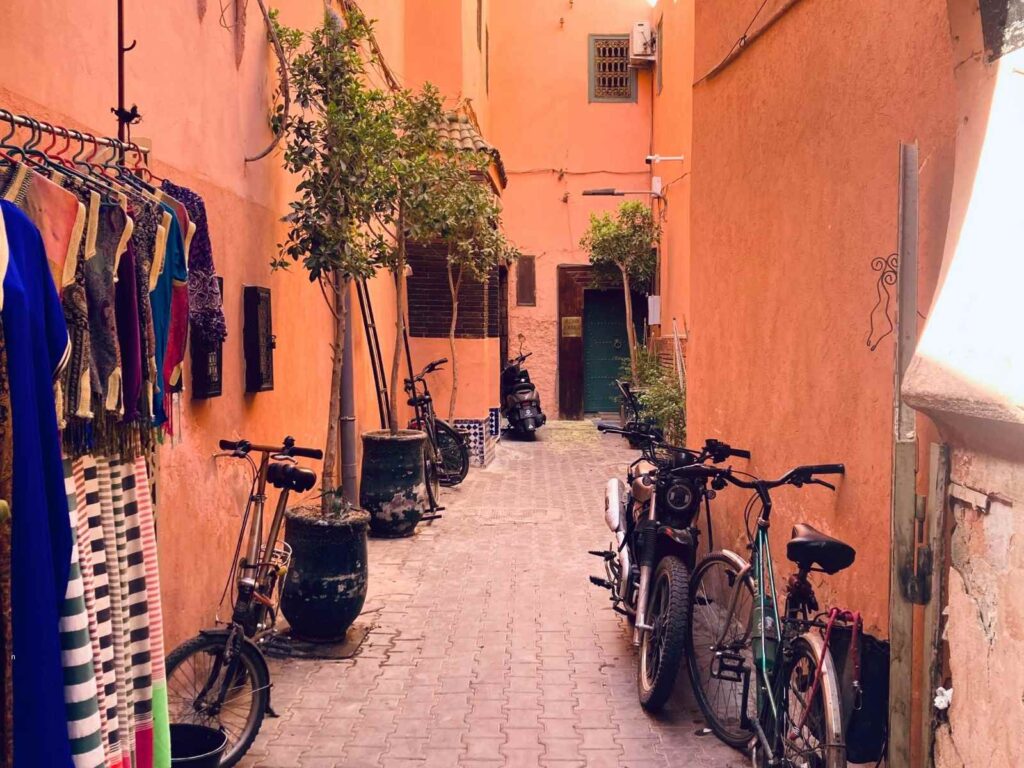
Choose a few experiences that give you time to learn. A museum can provide historical context, a public performance can introduce musicians’ work, and a workshop can explain a particular technique. Include contemporary cultural venues when planning, rather than looking only for old buildings or scenes that match a preconceived image of Morocco.
Before booking, check who hosts the experience, what it includes and how payment works. Ask before joining a private gathering or entering a workspace. Avoid experiences built around intrusive visits, staged poverty or captive-wildlife photographs.
Regional differences are easier to understand through specific places and people than through labels such as relaxed, conservative or artistic. Use our Morocco city guides to choose destinations, then check individual venues and organizers for current access and event details.
Frequently asked questions
What should tourists know about Moroccan customs?
Begin interactions politely, ask before photographing people, clarify prices and follow individual venue rules. Household and personal preferences vary. Respect also leaves room for your own boundaries, including declining food, invitations or unwanted help.
Which languages are spoken in Morocco?
Arabic and Amazigh are official languages. Everyday speech includes Darija and Amazigh varieties. French, Spanish and English are also used, but availability varies. Ask which language is easiest for the person you are speaking with.
Is it rude to refuse tea in Morocco?
Thank the person and politely decline if you prefer. You do not need to consume something against your wishes or dietary needs. A home invitation, café order and shop offer have different contexts, so ask if anything is unclear.
Should you remove shoes in a Moroccan home?
Ask your host rather than assume one rule applies everywhere. Follow their preference where you can, and explain any accessibility needs. Religious venues may have their own published footwear requirements.
What should you bring when invited to a Moroccan home?
Ask whether you can bring anything. A modest food gift may be suitable after checking preferences and dietary needs. Do not assume alcohol is welcome or that an invitation requires an expensive present.
Is bargaining expected everywhere in Morocco?
No. Some souk purchases are negotiable, while other shops and services have fixed prices. Ask before bargaining, and agree the total before accepting a service. If the final charge differs from what you agreed, ask for an explanation.
Can visitors who are not Muslim enter mosques?
Check the individual mosque’s visitor policy and enter only where public access is explicitly offered. Hassan II Mosque provides guided visits with published rules. A historic building’s appearance or inclusion in a guide does not establish access.
Do tourists need to cover their hair in Morocco?
For ordinary sightseeing, visitors generally do not need to cover their hair. Check any religious venue’s own dress rules rather than assuming they are the same everywhere. The clothing guide can help you plan for your activities and comfort.
You do not need to master every custom before traveling. Ask a clear question when you are unsure, pay attention to the answer, and make space for people to describe their own lives. That approach will serve you better than a fixed list of national rules.