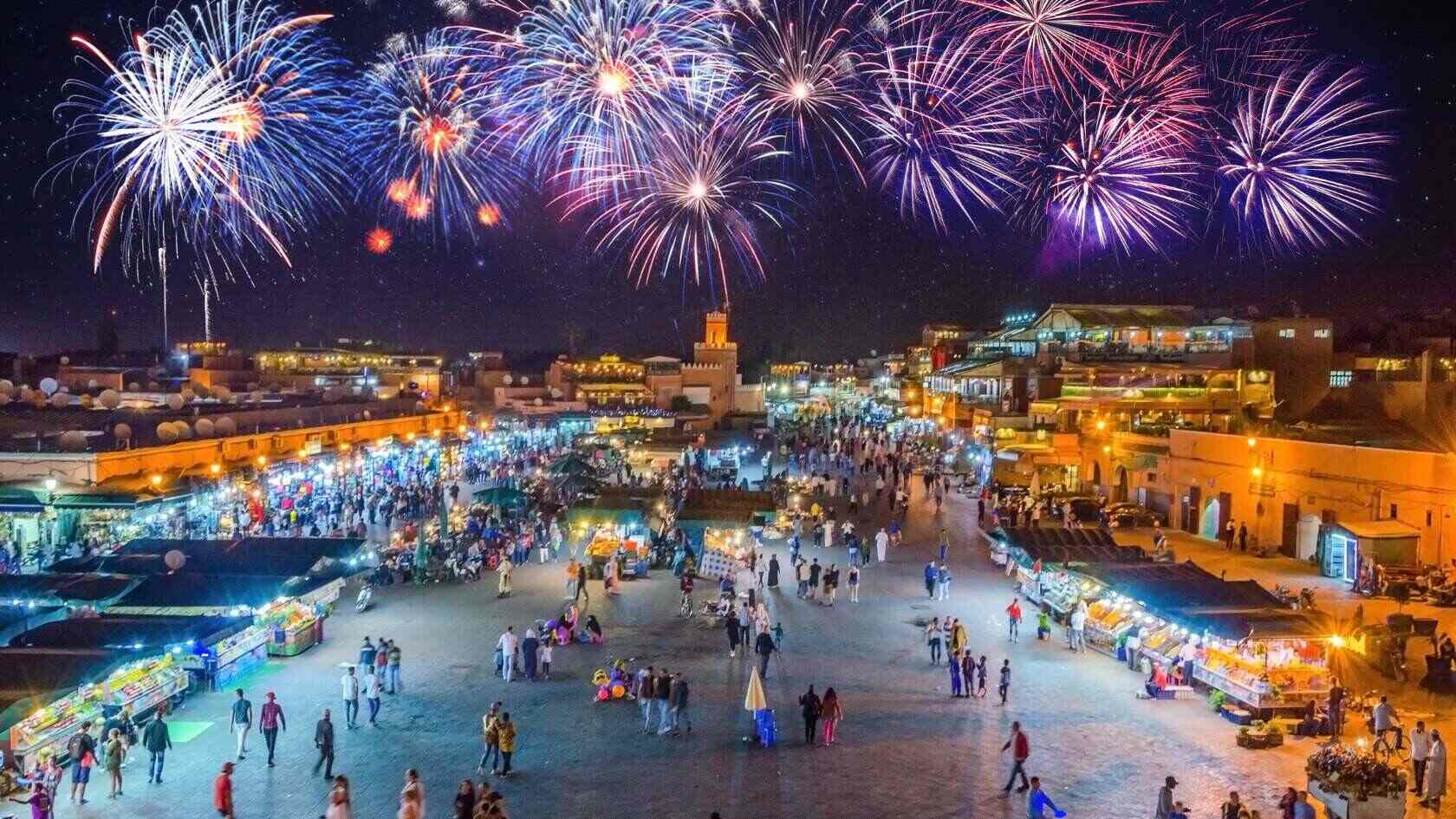
The best time to visit Morocco for a first trip combining Marrakech or Fes with the Sahara is usually spring, from March to May, or autumn, especially October and November. April and October are useful starting choices for a mixed itinerary: walking conditions are generally more manageable than in midsummer, although rain, hot days and cold evenings are still possible.
The exceptions matter. Atlantic destinations can be a better fit for summer holidays, high Atlas trekking needs its own mountain-weather plan, and experienced surfers often look to the cooler months for Atlantic swell. Start with the places and activities you most want to include, then compare dates within the right season.
Best time to visit Morocco at a glance
Use this comparison to narrow your dates before booking. The recommended periods are planning starting points, not promises of weather, availability or low prices.
| Travel priority | Recommended period | Main trade-off |
|---|---|---|
| First visit with cities and Sahara | April or October | Popular travel dates; rain or warm spells remain possible. |
| Walking through inland cities | March–May; October–November | Late spring can be hot; autumn evenings get cooler. |
| Sahara camp stay | Spring or autumn | Cold nights still possible; shoulder months vary. |
| Atlantic coast holiday | June–September as a starting point | Wind, cool water and holiday demand vary by beach. |
| High Atlas summer trekking | June–August for a classic Toubkal plan | Altitude, heat and route conditions still need checking. |
| Experienced surfing | October–April | Bigger conditions may be unsuitable for beginners. |
| Lower-cost trip | Compare flexible dates outside holidays | No single month is cheapest across all routes. |
Morocco month by month
Morocco weather by month makes more sense when you separate inland cities, the Atlantic coast and higher ground. The table describes broad patterns from historical climate data; check a destination-specific forecast close to departure and current conditions before outdoor trips. On a small screen, scroll the table sideways if all columns are not visible.
| Month | Weather and regional differences | Suitable destinations or activities | Planning considerations |
|---|---|---|---|
| January | Cool inland nights; northern rain; mountain winter. | City walks and museums; prepared desert stays. | Check heating, warm bedding and road conditions. |
| February | Cool mornings; rain still possible; snow at elevation. | Cities, lower excursions and Sahara trips with layers. | Check school breaks and the dated Ramadan notes below. |
| March | Inland days warm; northern showers continue; high routes may hold snow. | City circuits, desert trips and lower valleys. | Spring breaks vary; do not assume summit routes are ready. |
| April | Milder inland conditions; coast cooler; showers possible. | Mixed city and Sahara itineraries; lower walks. | Check holiday availability and carry a light rain layer. |
| May | Inland heat builds; Atlantic remains milder. | Cities at a slower pace; coast and suitable walks. | Check late-month heat before committing to desert travel. |
| June | Hotter inland; Atlantic much cooler; often low rainfall. | Coast-focused stays and suitable mountain routes. | Check cooling and festival dates; assess each hike separately. |
| July | Very hot inland and southeast; cooler Atlantic air. | Coast, with short city visits early or late. | School holidays matter; avoid long midday outdoor plans. |
| August | Strong inland heat; coastal conditions differ by town. | Coastal bases and carefully paced sightseeing. | Do not assume beach resorts share inland bargain periods. |
| September | Inland and desert heat can persist; coast more moderate. | Coastal stays; city or desert trips when conditions suit. | Check actual temperatures rather than treating autumn as cool. |
| October | Inland heat eases; northern rain increases; cooler mountain nights. | City routes, Sahara camps and suitable lower walks. | Check half-term dates and leave flexibility for rain. |
| November | Cooler inland; wetter north and coast; mountain winter risk. | Cultural city breaks and desert stays with warm layers. | Plan around shorter daylight and reconfirm outdoor routes. |
| December | Cold inland nights; rain in the north; snow at elevation. | City sightseeing and well-prepared desert visits. | Separate early December from Christmas and New Year. |
What the climate figures actually tell you
These examples use Morocco’s 1991–2020 WMO climatological standard normals, archived by NOAA. High and low mean the monthly averages of daily maximum and minimum air temperatures; rainfall is the average monthly total. They are historical reference values, not forecasts, extremes or temperatures for the whole country. See the WMO normals methodology and archive.
| Station and month | Average high | Average low | Monthly rainfall |
|---|---|---|---|
| Marrakech • January | 19.1°C / 66°F | 5.9°C / 43°F | 25.0 mm |
| Marrakech • April | 25.7°C / 78°F | 12.4°C / 54°F | 26.3 mm |
| Marrakech • July | 37.7°C / 100°F | 20.6°C / 69°F | 2.2 mm |
| Marrakech • October | 28.5°C / 83°F | 15.7°C / 60°F | 19.1 mm |
| Agadir Inezganne • July | 26.7°C / 80°F | 19.2°C / 67°F | 0.2 mm |
| Essaouira • July | 21.9°C / 71°F | 17.7°C / 64°F | 0.0 mm |
Station sources: Marrakech, Agadir Inezganne and Essaouira. Elevations are 464 m, 23 m and 7 m respectively. A rounded rainfall normal of 0.0 mm does not guarantee a rain-free trip.
The July contrast is the useful takeaway: Marrakech and Essaouira should not be planned as if they share the same summer weather. Likewise, a warm afternoon in Marrakech tells you little about an overnight camp or a high mountain pass.
How timing changes by region
Marrakech and Fes
For inland cities, think about how much of each day you will spend outside. Medina walks, gardens and open courtyards become more demanding in heat. In summer, leave space between activities, choose accommodation with effective cooling and arrange longer guided walks early or late. Winter calls for warm evening layers and a check that your room has heating.
Use the Marrakech travel guide and Fes travel guide for city planning. Marrakech’s figures above are not a substitute for a Fes forecast or local climate record.
Essaouira and Agadir
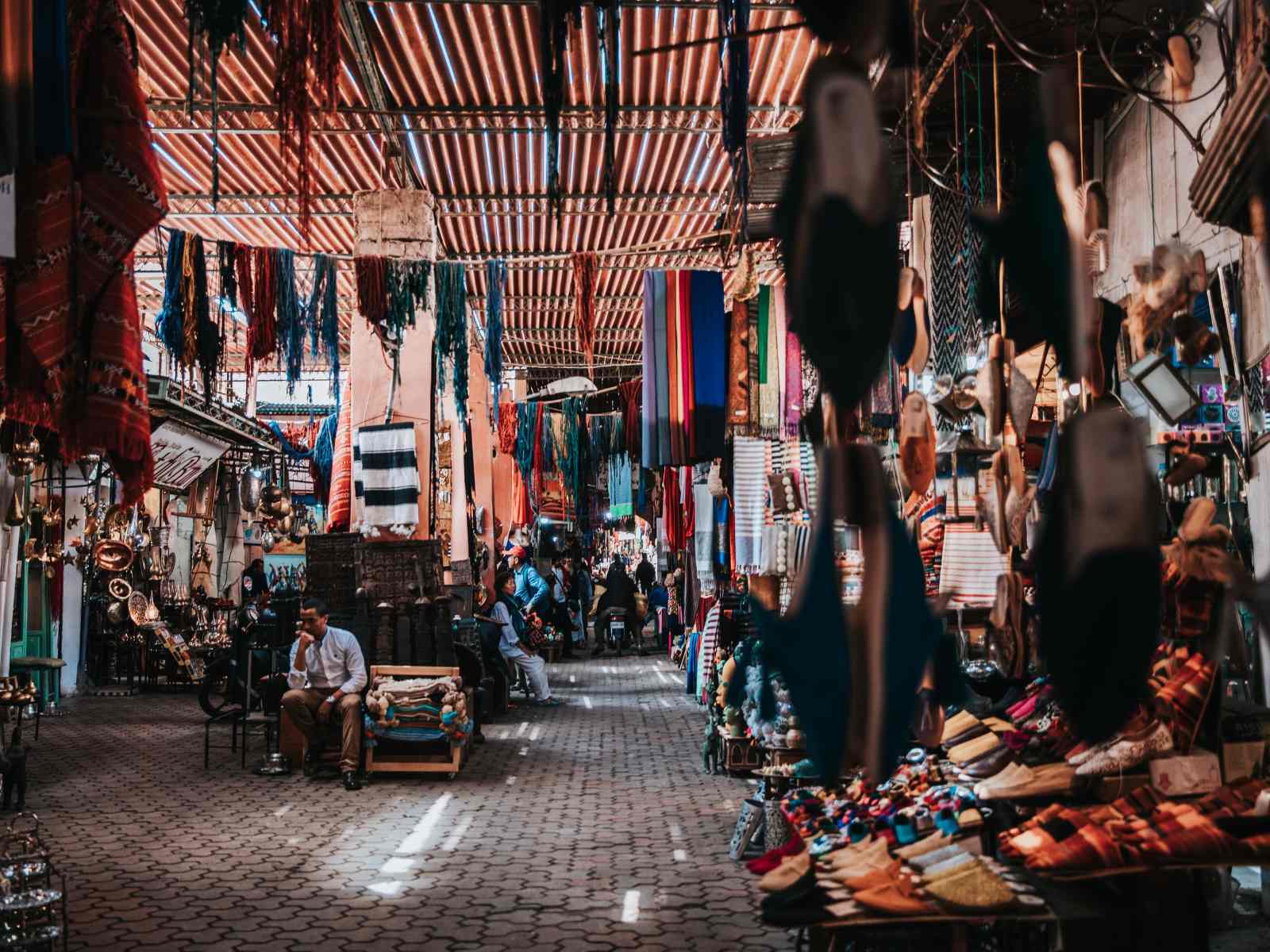
The Atlantic coast offers a useful alternative when an inland itinerary looks too hot. It is not one uniform beach climate: the station comparison shows a noticeably cooler July average in Essaouira than in Agadir. Wind can also make a beach day feel different from a sheltered city walk.
Choose Essaouira for a coastal town stay with time around the medina and waterfront, and compare it with planning a stay in Agadir if beach time is central to your trip. Neither warm air nor sunshine guarantees comfortable sea temperatures or safe swimming conditions.
Northern Morocco and Chefchaouen
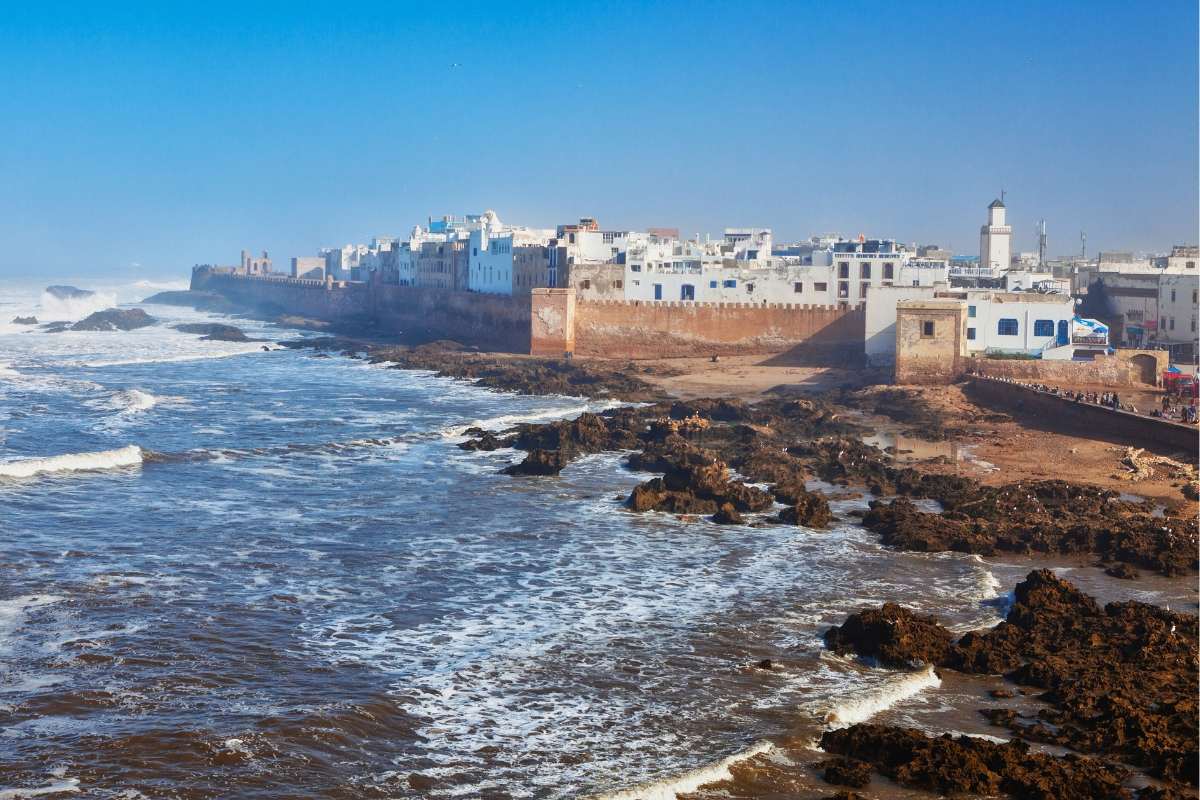
Northern routes need more room for rain, particularly outside summer. Coastal stops and upland Chefchaouen also differ in elevation, so do not use one coastal temperature as a forecast for the Rif Mountains. Pack shoes with reliable grip and keep an indoor alternative for wet days.
If you are visiting Chefchaouen, leave enough flexibility to enjoy the town without relying on a specific clear-weather hike. For excursions from an inland base, compare day trips from Fes and check the actual destination and road conditions.
Atlas Mountains
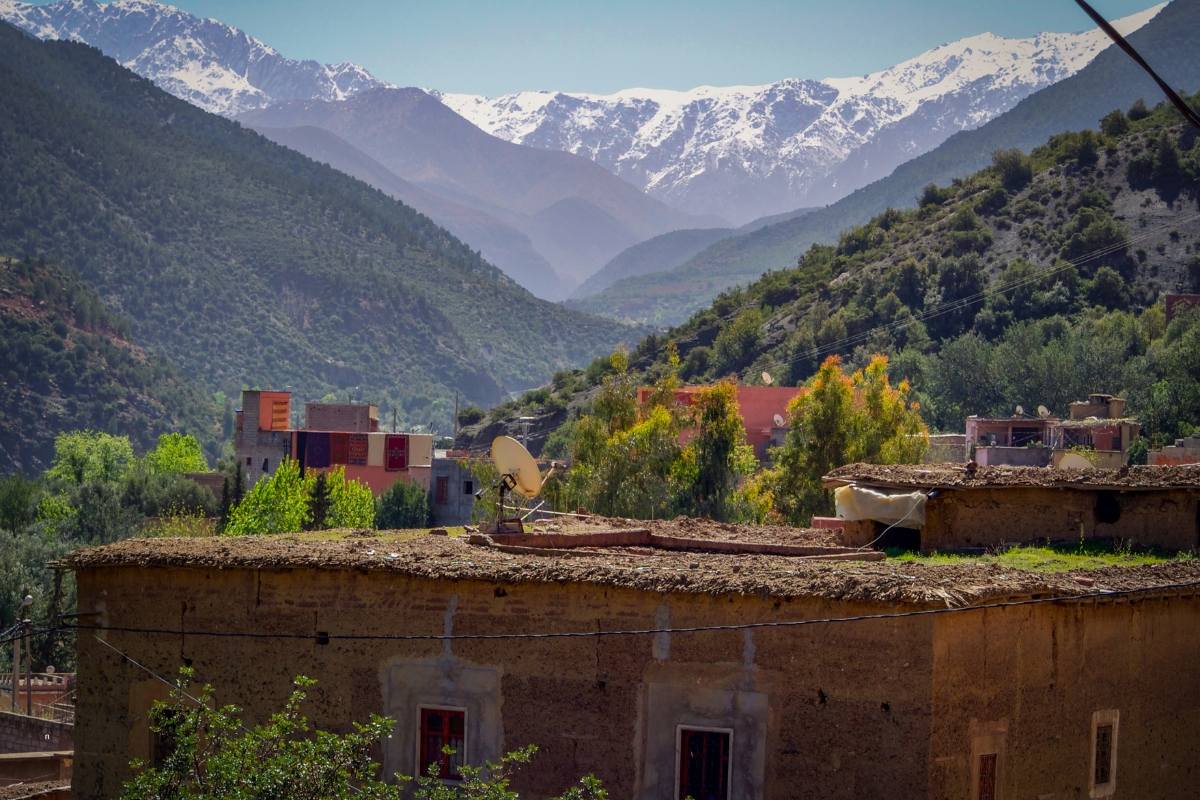
A village visit, a lower-valley walk and a Toubkal ascent are different trips. Spring conditions near a village do not establish that a high pass is free of snow. Winter summit routes require specialist skills, equipment and planning rather than ordinary sightseeing preparation.
For a classic summer Toubkal itinerary, Cicerone’s route guide gives June–August as the summer trekking season. Use that as a starting point and confirm the route with a qualified local guide. Weather, snow, altitude and access can change the plan in any month.
Sahara Desert
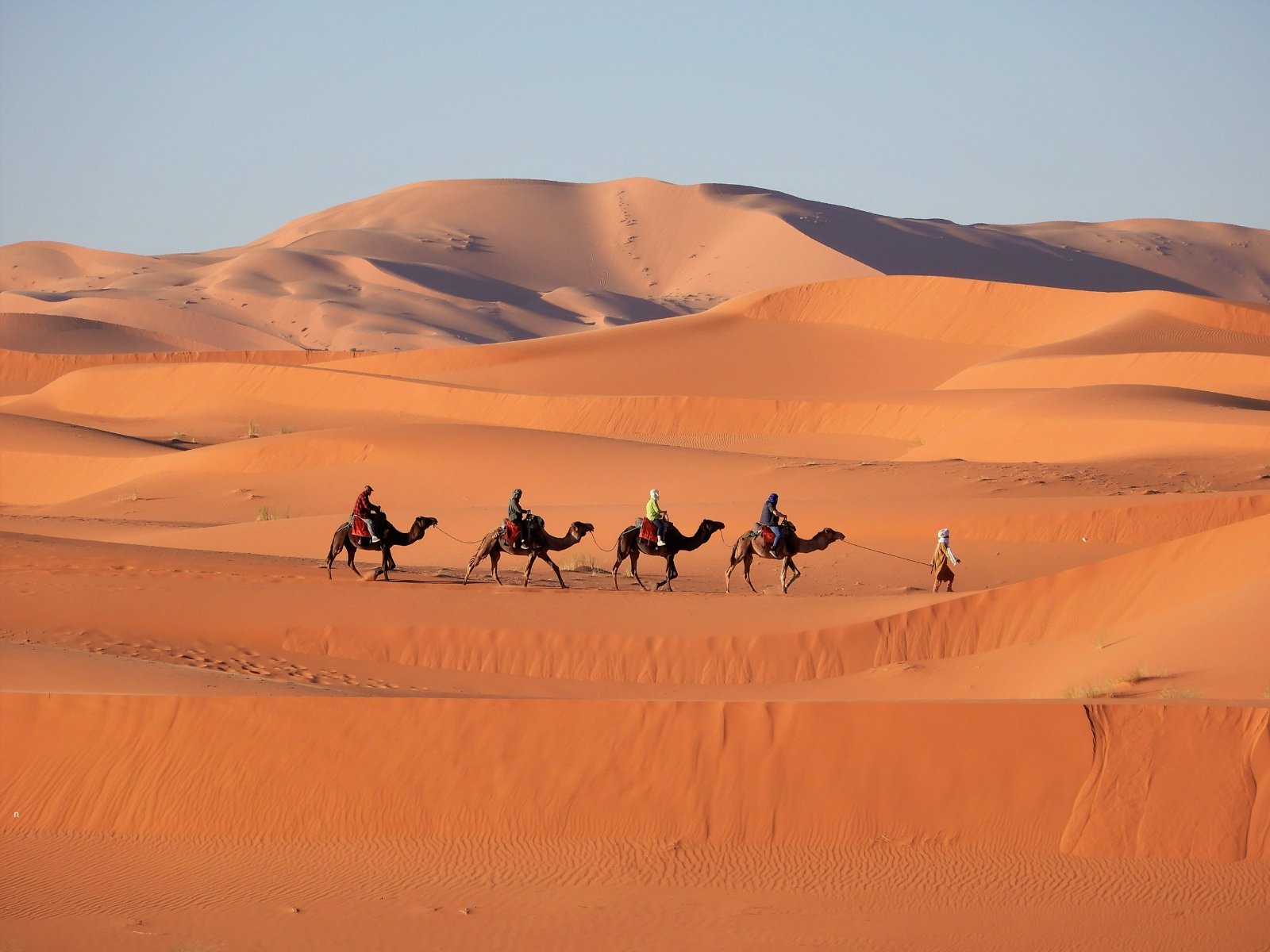
For a Sahara camp near Merzouga or another dune destination, spring and autumn are sensible starting seasons, consistent with the Moroccan National Tourism Office’s seasonal guidance. Ask about overnight temperatures, bedding, shade, cooling and the timing of transfers before choosing a camp.
A winter desert stay can be cold after dark, while summer heat can make prolonged outdoor activities uncomfortable. Nearby Agafay is a rocky, stony landscape outside Marrakech, not the Sahara’s sand dunes. Check that the itinerary, travel time and landscape match the experience you want.
Choose your dates around your travel priorities
City sightseeing and first visits
For a first trip, avoid trying to combine every region under one weather expectation. A city-and-desert route has different constraints from a coast-and-mountains route. Build around the activity that is hardest to move, such as a guided trek, then choose city stays around it.
If you are comparing Morocco in April with Morocco in October, April’s Marrakech normal is cooler during the day and at night; October is warmer and has a lower average rainfall total at that station. Neither guarantees dry weather or fewer visitors. Compare your actual school-holiday dates, accommodation and excursions before choosing.
For shorter visits, guided tours in Marrakech can fit around cooler parts of the day. When adding day trips from Marrakech, check whether you are heading to the coast, a lower valley or a higher mountain route rather than assuming all excursions share city conditions.
Beaches and surfing
A beach holiday and a surf holiday do not necessarily need the same dates. For time on the sand, start with the warmer part of the year, then compare your chosen beach’s wind, sea conditions and facilities. If swimming is essential, check local water-temperature information as well as the air forecast.
The official Morocco surfing guide distinguishes year-round opportunities for beginners from the October–April window that appeals to experienced surfers. A good month on paper does not make every break suitable: choose a lesson or spot for your ability and the day’s swell, tide and wind. Follow local advice about currents and swimming areas.
Desert camps and mountain trekking
Choose a desert itinerary by its overnight location and the amount of time outdoors, not just the word “desert” in the tour title. For mountain trekking, ask for the highest altitude, daily walking demands, expected surface conditions and contingency plan. These details matter more than a general promise of a year-round tour.
Keep an alternative day available if a trek or long drive is central to your holiday. Read current official Morocco safety guidance before booking outdoor activities, and confirm that your insurance covers the activity and altitude you plan.
Traveling with children and fixed school holidays
If July or August is your only option, change the route rather than forcing a long inland circuit. Consider a coastal base, shorter transfers and fewer midday outdoor activities. Check air-conditioning and room layouts before booking. In cooler seasons, ask about heating and whether a pool is heated if pool time matters to your family.
School breaks are not identical across the UK, the US or Morocco. Check your own school calendar and destination availability, especially before committing to non-refundable rooms or a multi-day tour.
Costs, crowds and holiday dates
Finding the cheapest time to visit Morocco
There is no verified single cheapest month to visit Morocco. A lower room rate in hot-weather Marrakech does not establish that Essaouira, Agadir, flights or guided trips will also be cheaper. Similarly, winter dates outside holidays should not be treated as equivalent to Christmas and New Year.
If your dates are flexible, compare a few alternatives such as winter dates after New Year or early December against your preferred spring or autumn trip. Consider inland summer only if the heat suits your plans. Treat these as dates to price-check, not guaranteed bargains.
Compare the total trip on the same basis: room type, number of nights, breakfast, taxes, baggage, transfers and cancellation terms. A cheaper room can be poor value if your preferred activities become impractical or you need extra transport to avoid the heat. To reduce crowds, consider less congested times of day and allow more time in smaller stops rather than relying on an “off-season” label.
Ramadan and Eid in 2027
Provisional dates: Ramadan is currently expected to begin around 8 February 2027, with Eid al-Fitr listed around 10 March 2027. Both dates are marked tentative in the Morocco 2027 holiday calendar. Local observance depends on Morocco’s official announcement and moon sighting, so reconfirm before traveling.
You can visit Morocco during Ramadan. Some businesses change their hours and some restaurants close during fasting hours, while hotels and other restaurants may continue serving visitors. Arrange daytime meals in advance, reconfirm attraction and tour times, and allow flexibility around the sunset meal, iftar. Be considerate about eating, drinking and smoking in public while others are fasting.
Eid can change opening hours and family travel patterns, so check transport and transfers directly. Read official Ramadan travel advice, and use our guide to traditional Moroccan food to plan what you would like to try. Religious holidays move through the calendar; these dates are specific to 2027.
School breaks, Christmas and major events
Check the calendar for each stop before assuming that a shoulder-season week will be quiet. UK school term and holiday dates vary by area, and US travelers should check their own school district. Christmas and New Year deserve a separate availability check from the rest of December and January.
For an event-led trip, the official Gnaoua and World Music Festival in Essaouira lists 24–26 June 2027. Compare accommodation and transport early if you want to attend, or check those dates when planning a quieter coastal stay. For film events, use the Marrakech International Film Festival’s official website for the announced edition rather than assuming last year’s dates repeat.
What to pack for the season
Pack for the coldest and wettest part of your route as well as the daytime temperature at your arrival city. Our guide to what to wear in Morocco covers clothing choices in more detail.
- Spring and autumn: light layers, a warmer evening layer, comfortable walking shoes and a compact waterproof jacket. Add warmer clothing for mountain or desert nights.
- Summer: breathable clothing, a hat, sunglasses, sunscreen and a refillable water bottle. Keep a light layer for coastal wind and air-conditioned transport.
- Winter: a warm outer layer, clothing you can layer, rain protection and sturdy shoes. Confirm room heating and camp bedding rather than relying on daytime forecasts.
- Mountain trips: use the guide’s route-specific kit list. Ordinary city shoes and a light jacket are not a substitute for the equipment needed on snow or high-altitude routes.
Frequently asked questions
What is the best month to visit Morocco for a first trip?
April or October is a useful first choice for a trip combining inland cities and the Sahara. Both can suit a varied itinerary without midsummer’s typical inland heat. Choose between them using your route, holiday dates and accommodation options; neither guarantees dry weather or quiet streets.
Is April or October better for Morocco?
Choose April for cooler Marrakech averages and October if you prefer warmer evenings. At the Marrakech station, the 1991–2020 average daily high is 25.7°C in April versus 28.5°C in October. That comparison does not establish which month is better for a high mountain trek, beach swimming or your budget.
When is the cheapest time to visit Morocco?
There is no universal cheapest month. Compare exact dates and destinations outside school breaks, major events and Christmas/New Year. Winter city dates or hot-weather inland stays may be worth checking, but only a like-for-like quote comparison can show whether they save money for your trip.
Is Morocco too hot in July and August?
Inland and southeastern routes can be very hot, but the Atlantic coast is different. Marrakech’s July average daily high is 37.7°C, compared with 21.9°C at Essaouira. Those are climate averages, not maximum possible temperatures. Use a coastal base and limit long midday activities if you travel in summer.
Is winter a good time to visit Morocco?
Winter can work well for cultural city trips if you prepare for rain and cold nights. Check heating, carry layers and keep indoor alternatives. Desert camps need preparation for cold nights, while high mountain trips can involve winter mountaineering conditions. Do not plan on warm swimming simply because daytime air feels mild.
When is the best time for a Sahara Desert camp?
Spring and autumn are the most useful starting seasons. Ask about the camp’s exact location, bedding, cooling, transfer times and outdoor activities. Winter nights can be cold and summer days very hot. A rocky Agafay stay near Marrakech is a different landscape and itinerary from a Sahara dune camp.
When can you trek in the Atlas Mountains?
The route and altitude determine the season. Lower-valley walks may be possible when higher passes remain snowy. For a classic summer Toubkal plan, begin with June–August and confirm current conditions with a qualified guide. No month guarantees access or safe conditions; winter ascents need specialist preparation.
Can you visit Morocco during Ramadan in 2027?
Yes, with extra planning around meals and opening hours. Ramadan is expected to begin around 8 February 2027, with Eid al-Fitr around 10 March; these dates remain provisional. Some businesses adjust hours, while tourist services may continue. Confirm your own accommodation, tours, meals and transfers rather than assuming a countrywide shutdown.
Choosing your travel dates
The best time to visit Morocco is the period that suits your most important activity and the regions on your route. Shortlist two date ranges, compare the complete trip cost and check the conditions that could change your plans. Once those are clear, build the rest of the itinerary around them.
Plan Your Morocco Trip
Planning your trip to Morocco? These guides help you prepare: